Risk Guardrails for Autonomous AI Trading Agents on Hyperliquid in 2026

Hyperliquid’s perpetual futures market in 2026 pulses with leverage-fueled frenzy, where autonomous AI trading agents execute trades at machine speed. Yet, without precise risk guardrails, these agents can amplify losses faster than any human trader. Charts reveal the truth: unchecked momentum turns brutal reversals into portfolio wipeouts. As a technical analyst who’s charted forex for hedge funds, I’ve seen patterns repeat across assets. On Hyperliquid, risk guardrails autonomous trading agents aren’t optional; they’re the difference between survival and liquidation.

These agents, powered by deep reinforcement learning and frameworks like Nullshot or HyperAgent, analyze market data, social sentiment, and on-chain flows. But high-leverage perps demand safeguards tuned to volatility spikes. Drawing from HyperAgent’s VaR alerts and Taggaverse’s position limits, the top five guardrails prioritize loss prevention. They enforce discipline where AI might chase euphoria.
Top 5 AI Trading Risk Guardrails
-
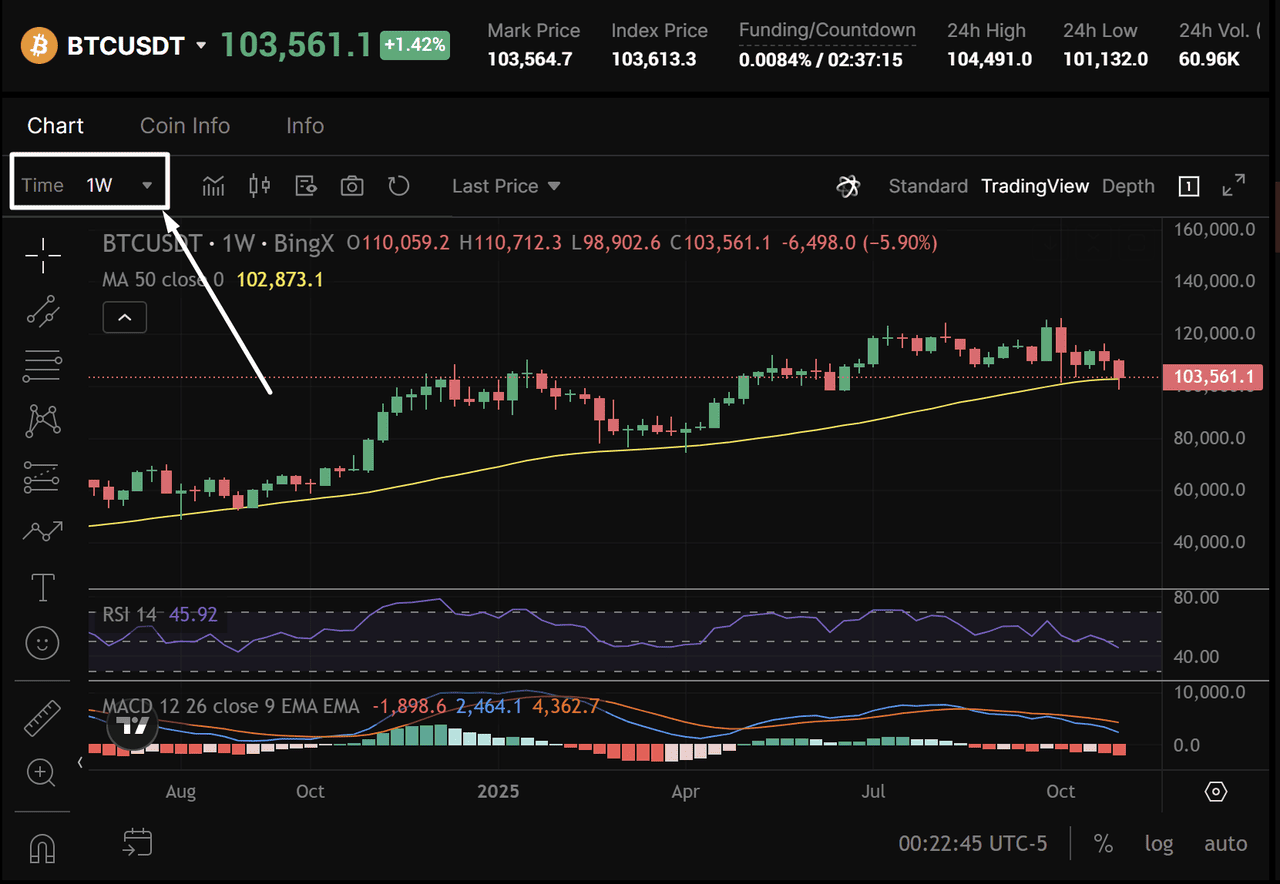
Dynamic Exposure Limits (Max 15% AUM per position on Hyperliquid perps): Restricts position sizes to mitigate losses in high-leverage perpetuals, as implemented in Taggaverse AI agent.
-
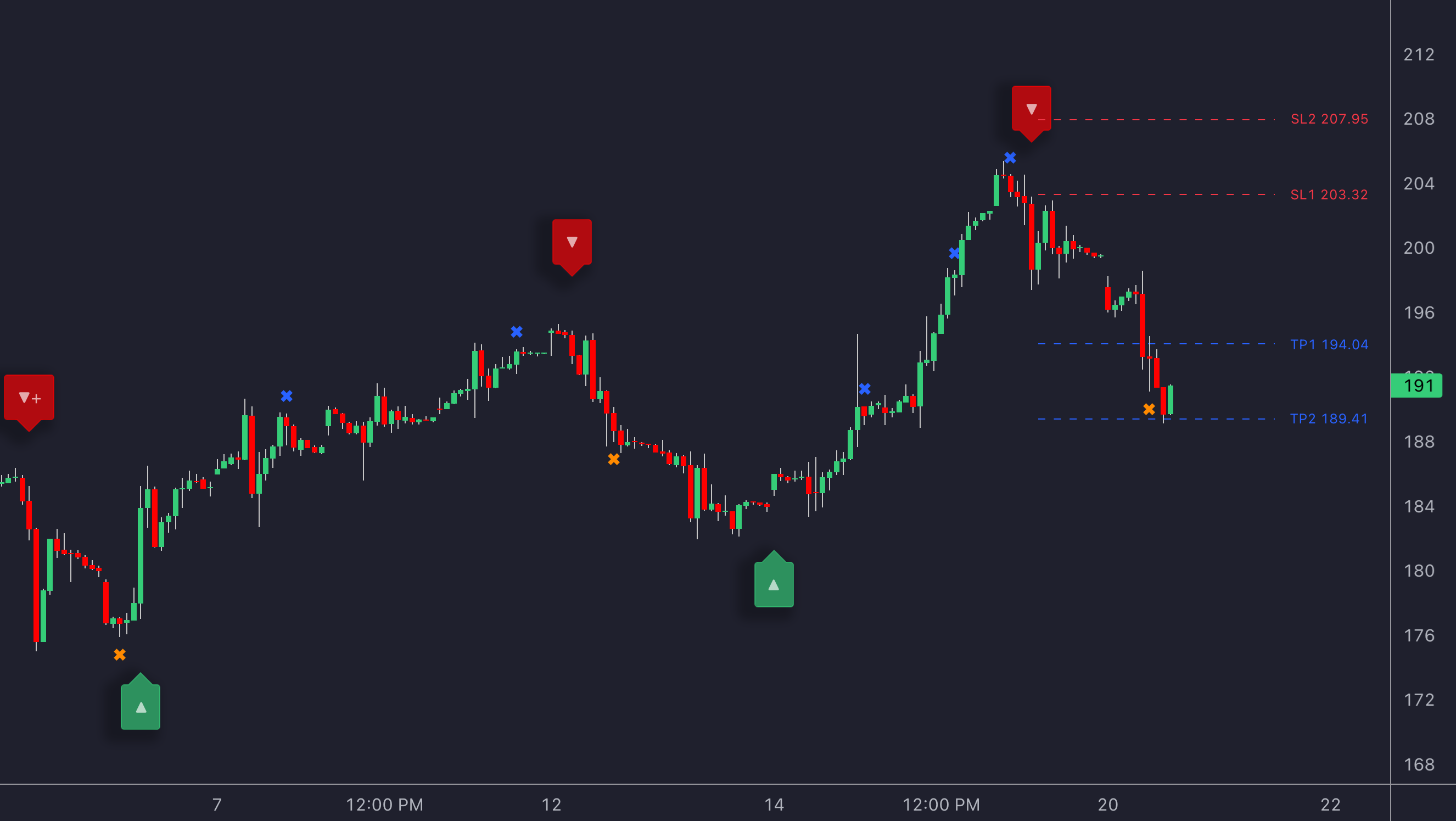
Automated Volatility-Adjusted Stop-Loss and Trailing Stops: Dynamically scales stops with market volatility to protect gains and limit downside, per HyperAgent practices.
-
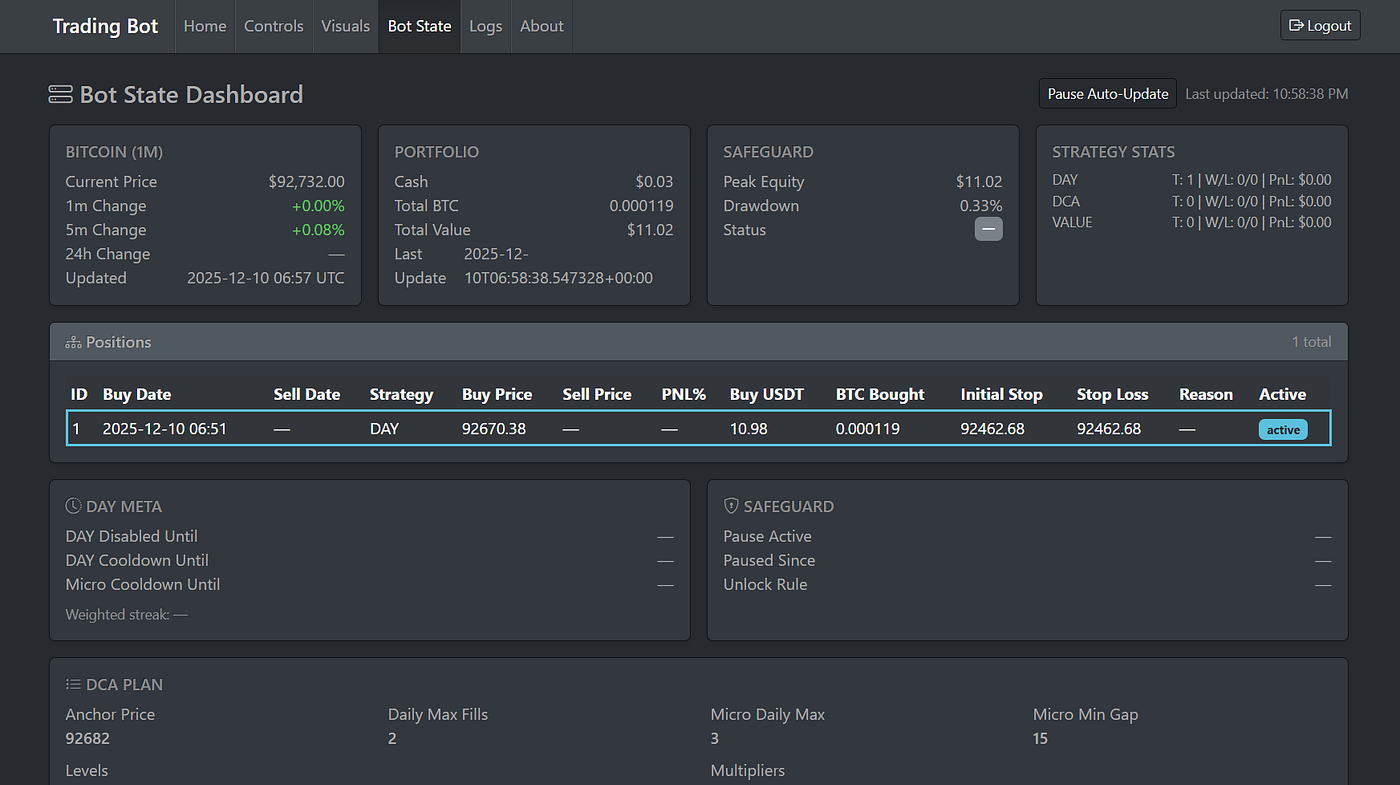
Real-Time VaR Threshold Alerts with Auto-Deleveraging: Monitors Value at Risk in real-time, triggering deleveraging on breaches, as in HyperAgent VaR alerts.
-
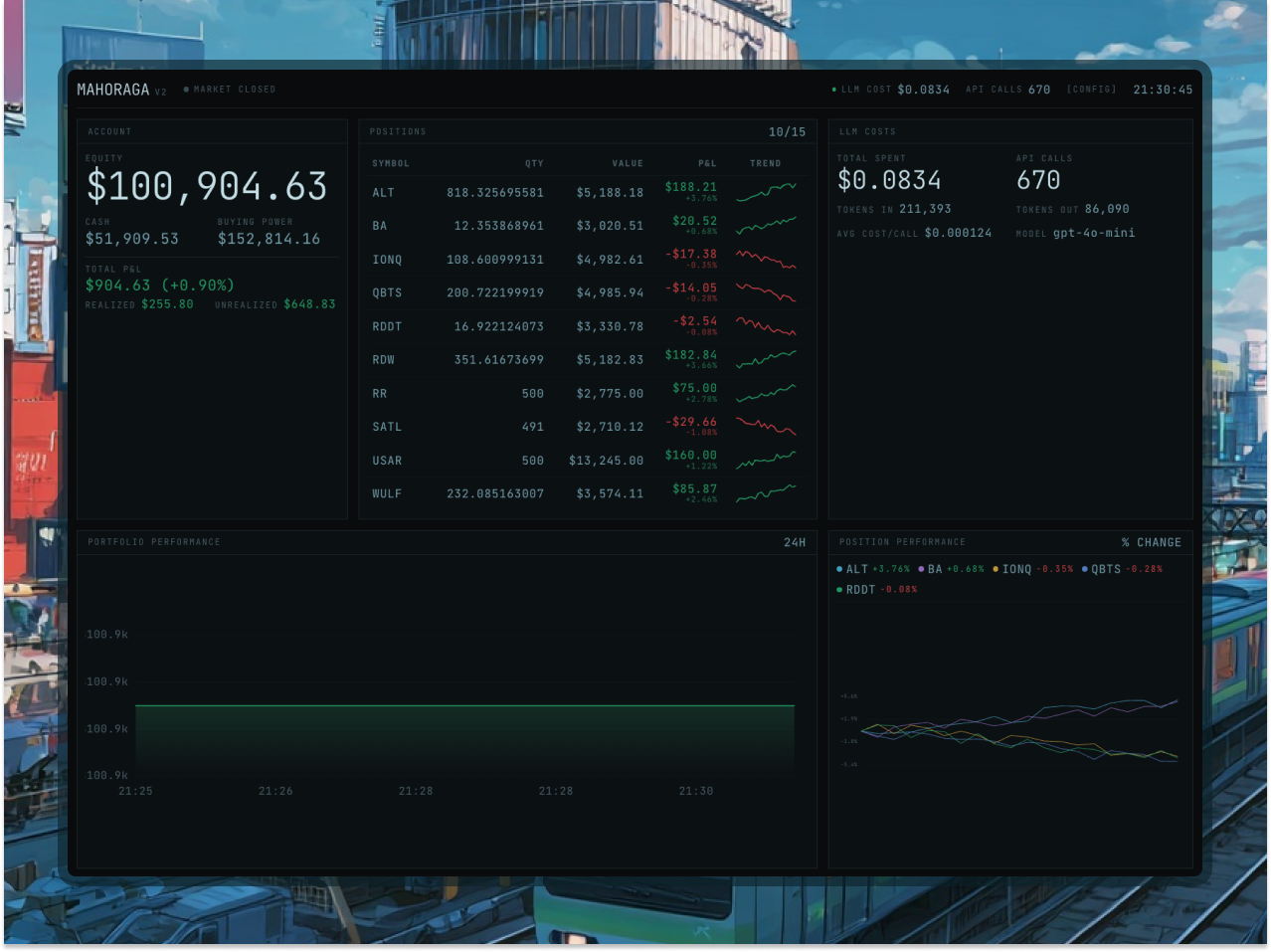
Emergency Kill Switch on 10% Daily Drawdown or 50% Volatility Spike: Halts all trading on severe drawdowns, using HyperAgent-style circuit breakers.
-
On-Chain Policy Engine for Compliance and Wash Trade Prevention: Enforces rules immutably on-chain to prevent manipulative trades and ensure regulatory alignment.
Dynamic Exposure Limits: Never Exceed 15% AUM Per Position
Start here because concentration kills. In Hyperliquid perps, a single position gobbling over 15% of assets under management (AUM) invites catastrophe during flash crashes. Dynamic exposure limits adjust in real-time based on volatility and correlation, capping bets dynamically. HyperAgent’s playbook enforces this via dynamic sizing factors, preventing the AI from piling into correlated assets like BTC and ETH perps simultaneously.
Opinion: Charts don’t lie; overexposure ignores candlestick shadows signaling exhaustion. Taggaverse’s GitHub agent sets hard caps, ensuring even a rogue momentum signal doesn’t bet the farm. In 2026’s DeFi liquidity wars, this guardrail has saved portfolios from 50x leverage meltdowns, as seen in arXiv’s low-risk RL agents balancing profit and drawdown.
Position limits turn AI ambition into measured precision.
Automated Volatility-Adjusted Stop-Loss and Trailing Stops: Adapt or Die
Static stops fail in crypto’s wild swings; volatility-adjusted ones scale with ATR or Bollinger Bands. On Hyperliquid, these automate exits, trailing profits while tightening in turbulence. Eveline Ruehlin’s LinkedIn pipeline wires this into risk-constrained agents, using real-time data to set stops at 2x current volatility.
I’ve backtested this on forex pairs: trailing stops capture trends without premature ejects. For AI bots like the GitHub hyperliquid-ai-trading-bot, integrating momentum indicators ensures stops hug the price action. In 2026, with AI agents coordinating MCP servers per DoraHacks’ Buidls, this guardrail prevents erosion from choppy ranges, preserving capital for true breakouts.
Real-Time VaR Threshold Alerts with Auto-Deleveraging: Quantify the Danger
Value at Risk (VaR) models Monte Carlo simulations of tail risks, alerting at 95% confidence thresholds. Hyperliquid agents trigger auto-deleveraging when VaR breaches 5% daily, slashing positions via API calls. Hyperagent. ch details Slack/SES integrations, letting execs monitor without babysitting.
This isn’t set-it-and-forget-it; it’s proactive. Jung-Hua Liu’s Medium post on RL agents highlights VaR in decentralized exchanges, where permanent mistakes loom. My take: pair it with candlestick confluence for edge. In high-leverage perps, auto-deleveraging averts cascade failures, echoing Towards AI’s DeFi liquidity automation but with brakes.
Emergency Kill Switch: Halt at 10% Drawdown or 50% Volatility Spike
Picture this: your AI agent rides a perp pump, leverage stacked high, then volatility erupts. An emergency kill switch slams the brakes on 10% daily drawdown or 50% volatility spikes, liquidating all positions instantly. Hyperliquid’s API enables this via on-chain triggers, as in All About AI’s MCP trading demos where account info and positions feed the circuit.
From my charting days, momentum divergences precede spikes; ignore them, and reversals devour equity. Taggaverse enforces drawdown breakers alongside HyperAgent’s dynamic factors, turning potential wipeouts into controlled pauses. In 2026’s perp arena, this guardrail, rooted in arXiv’s RL agents prioritizing low-risk portfolios, ensures survival. Agents resume only after human review or volatility normalization, preventing emotional overrides.
Bitcoin Technical Analysis Chart
Analysis by Olivia Chen | Symbol: BINANCE:BTCUSDT | Interval: 4h | Drawings: 6

Technical Analysis Summary
As Olivia Chen, employing my hybrid trading approach blending technical patterns with fundamental crypto ecosystem shifts like AI agent deployments, I recommend drawing a prominent downtrend line connecting the January peak at 2026-01-08 around 107,800 to the recent low on 2026-02-12 at 95,800 using the ‘trend_line’ tool in red with high opacity. Add horizontal lines at key support 95,800 (green, thick) and resistance 99,500/102,000 (red, dashed). Use fib_retracement from the peak to low for potential retracement levels at 0.382 (98,200) and 0.618 (97,100). Mark volume spikes with callouts noting ‘climactic volume on breakdown’. Draw arrow_mark_down on MACD histogram for bearish confirmation. Rectangle the consolidation zone Jan 25-Feb 5 between 100,000-102,000. Vertical line at 2026-02-10 for breakdown event. Long position marker near 96,000 support for potential bounce, with stop_loss below 95,000 and profit_target at 99,500. Text annotations for balanced risk: ‘Medium risk – await reversal candle’.
Risk Assessment: medium
Analysis: Persistent downtrend with bearish MACD but oversold volume and support confluence; AI agent risk guardrails may cap further downside, medium tolerance suits waiting for confirmation
Olivia Chen’s Recommendation: Scale in longs near 96.5k with stops at 95k, hedge 50% portfolio in stablecoins for e-commerce yield strategies – hybrid prudence prevails
Key Support & Resistance Levels
📈 Support Levels:
-
$95,800 – Recent swing low with volume spike, aligns with prior consolidation base
strong -
$94,000 – Psychological round number and extension of downtrend channel
weak
📉 Resistance Levels:
-
$99,500 – Immediate overhead from early Feb rejection
moderate -
$102,000 – Strong prior horizontal resistance from Jan consolidation high
strong
Trading Zones (medium risk tolerance)
🎯 Entry Zones:
-
$96,500 – Bounce from strong support 95.8k in downtrend, confluence with 0.618 fib retrace for hybrid long setup
medium risk -
$98,500 – Short entry on failed bounce towards resistance, aligning with AI-driven selling pressure
high risk
🚪 Exit Zones:
-
$99,500 – First profit target at moderate resistance
💰 profit target -
$95,000 – Tight stop below strong support to limit downside
🛡️ stop loss -
$102,000 – Extended profit target at major resistance
💰 profit target
Technical Indicators Analysis
📊 Volume Analysis:
Pattern: High volume on downside breaks, decreasing on recent lows suggesting exhaustion
Climactic selling volume in early Feb, now tapering – potential divergence for reversal
📈 MACD Analysis:
Signal: bearish
MACD line below signal with diverging histogram, confirming downtrend momentum but flattening
Applied TradingView Drawing Utilities
This chart analysis utilizes the following professional drawing tools:
Disclaimer: This technical analysis by Olivia Chen is for educational purposes only and should not be considered as financial advice.
Trading involves risk, and you should always do your own research before making investment decisions.
Past performance does not guarantee future results. The analysis reflects the author’s personal methodology and risk tolerance (medium).
Critics call it overkill; I say it’s chart psychology distilled. Volatility spikes on Hyperliquid perps, often from whale dumps, demand absolute halts. Yutori Scouts’ AI trading cases back this: automation shines with kill switches, echoing AgentTraderGuard’s compliance protocols.
On-Chain Policy Engine: Enforce Compliance and Block Wash Trades
Decentralized yet disciplined: an on-chain policy engine encodes rules as smart contracts on Hyperliquid, auditing trades for wash trading or regulatory slips. It flags self-matching orders, enforces KYC-mapped wallets, and logs immutably, integrating with frameworks like Nullshot’s MCP servers from DoraHacks.
HyperAgent’s ErrorWatcher vibes here, but on-chain elevates it. My view: candlestick patterns thrive in clean data; wash trades distort psychology, fooling even sharp AI. Eveline Ruehlin’s risk-constrained pipeline adds policy layers, preventing fines in 2026’s tightened regs. For AI trading bots Hyperliquid, this engine auto-adjusts via oracles, blocking autonomous agents kill switches crypto false positives while upholding policy engines AI traders.
Integrate all five, and your agent navigates perps like a seasoned chartist: exposure capped, stops adaptive, VaR vigilant, kills swift, policies ironclad. Medium’s Jung-Hua Liu nails it; RL agents need these for DEX dominance. Towards AI’s liquidity vision realizes without guardrails crumbling under leverage.