Institutional investors deploying autonomous agents in live trading face a stark reality: unchecked AI can amplify gains but also magnify losses at unprecedented speeds. Benchmarks like AI-Trader underscore this, showing that risk control capability is the true differentiator for cross-market robustness. Drawing from my 12 years balancing equities, forex, and crypto portfolios, I've long advocated for guardrails that enforce discipline where algorithms might falter. These systems aren't just safety nets; they're the architecture of sustainable alpha in an era of AI-driven decisions.

The AI-Trader benchmark, detailed in arXiv: 2512.10971, marks a pivotal shift. It pits LLM agents against real U. S. stocks, A-shares, and cryptocurrencies in a minimal-information setup. Agents must hunt, verify, and synthesize live data independently, mimicking institutional workflows without human crutches. Results? General smarts don't guarantee trading prowess. Agents with baked-in AI-Trader benchmark risk guardrails posted excess returns, while others crumbled under volatility. This aligns with my hybrid approach: fundamentals guide, technicals time, and guardrails protect.
LiveTradeBench Exposes Gaps in Static Evaluations
Static benchmarks lure with high scores, but LiveTradeBench (arXiv: 2511.03628) tests agents in the chaos of live data streams and multi-asset portfolios. High-flyers from controlled environments often underperform here, as evolving markets demand adaptive autonomous agent live trading safety. Portfolio management across assets reveals blind spots: overexposure to correlated risks or ignoring slippage in execution. In practice, I've enforced similar simulations for clients, insisting on drawdown limits below 10% and position sizing tied to volatility. LiveTradeBench validates this rigor, proving that true institutional trading compliance hinges on real-time uncertainty handling.
Key AI Trading Risk Guardrails
- Exposure Limits: Validates proposed trades against predefined exposure thresholds to prevent over-concentration, as implemented in AI-Trader.
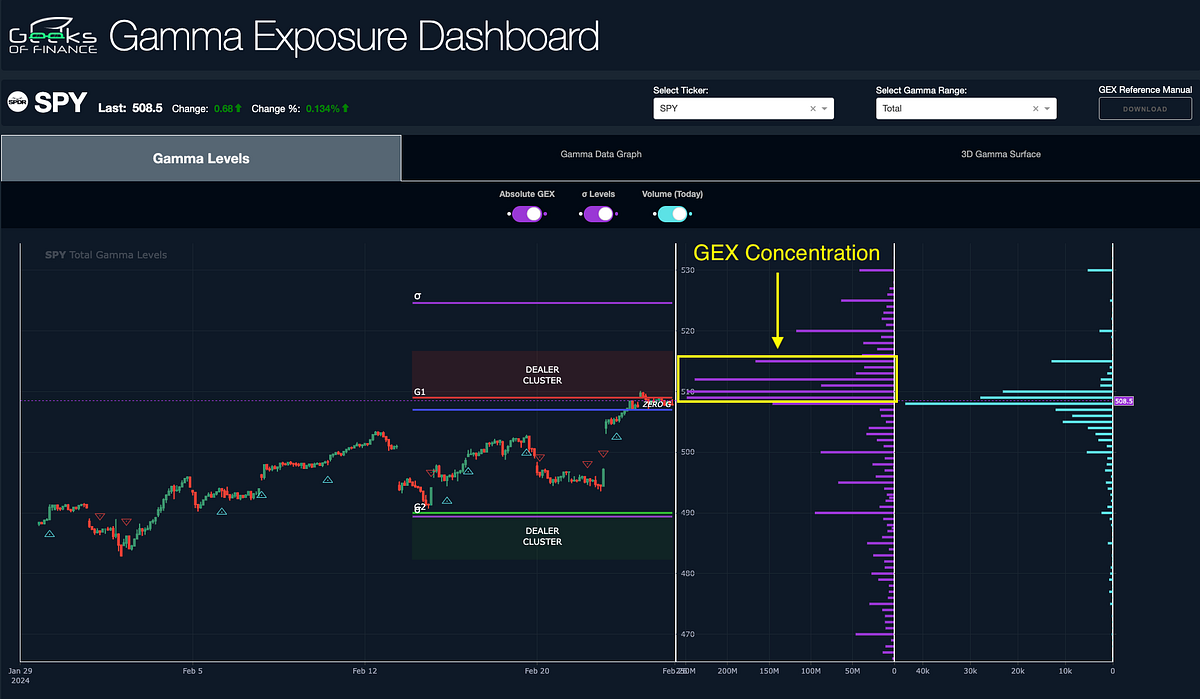
- Drawdown Halts: Automatically halts trading if portfolio drawdown exceeds set limits, preserving capital in volatile markets like LiveTradeBench.
- Volatility-Adjusted Sizing: Dynamically scales position sizes based on asset volatility for consistent risk exposure across benchmarks.
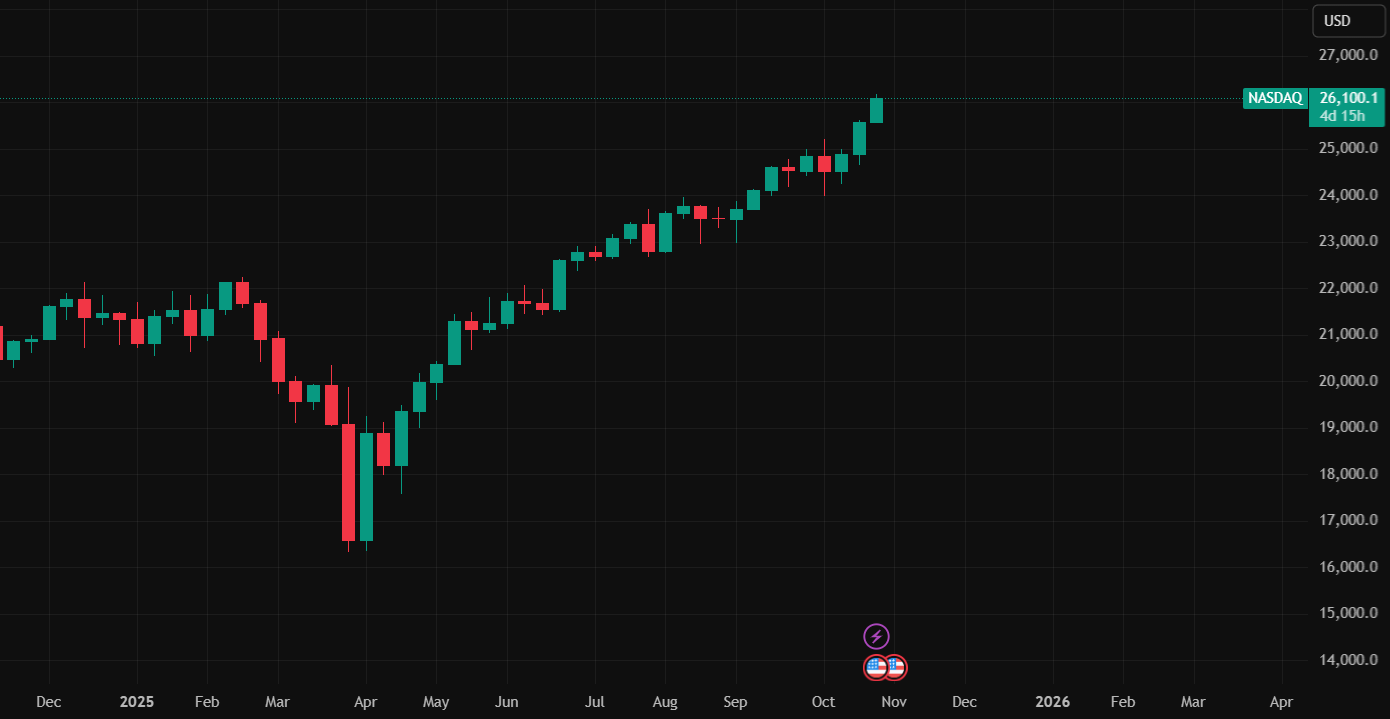
- Multi-Market Diversification: Spreads positions across U.S. stocks, A-shares, and cryptocurrencies, enhancing robustness in AI-Trader.

These insights echo broader trends. The CFTC notes AI's potential in financial markets, yet IOSCO surveys highlight algorithmic trading risks among institutions. Without guardrails, autonomous agents risk herd behavior or flash crashes, as seen in past quant meltdowns. My view? Diversification remains the only free lunch, and for AI, that means heterogeneous strategies with enforced correlations under 0.6.
Hierarchical Frameworks Elevate Risk Management
Enter Hi-DARTS (arXiv: 2509.12048), a hierarchical multi-agent RL setup that swaps agents based on volatility. Backtests on AAPL showed superior Sharpe ratios by toggling high-frequency traders during calm and conservatives in storms. Similarly, Nex-T1's 25-agent DeFi orchestra hit a 2.34 Sharpe via RAG, risk modules, and cross-chain smarts, slashing drawdowns and slippage. MARS (arXiv: 2508.01173) takes it further with a meta-controller blending aggressive and conservative profiles, dynamically muting the reckless in downturns.
Production platforms analyzed on Substack echo this pipeline: validate trades against limits, then execute. GitHub's AI-Trader repo lets models duel strategies autonomously, crowning risk-savvy victors. Insight Global's trends confirm AI's ascent in derivatives risk, but only with enforceable rules.
Enforcing these rules demands more than code; it requires a layered defense echoing my medium-risk portfolios, where no single bet exceeds 2% of AUM. Platforms like AgentTraderGuard embed kill-switches, exposure caps, and real-time compliance scans, turning theoretical benchmarks into deployable reality. Consider the AI-Trader's minimal-information paradigm: agents thrive only when guardrails filter noise from signal, preventing the overconfidence that sank lesser models in crypto swings or A-share volatility.
Building Robust Guardrails: A Practitioner’s Blueprint
From my vantage managing institutional mandates, the path to autonomous agent live trading safety starts with predefined thresholds. Exposure limits halt trades breaching sector allocations; drawdown triggers pause at 5-7% portfolio loss, buying time for reassessment. Volatility-adjusted sizing scales positions inversely with VIX or crypto implied vol, a tactic that's preserved capital in my forex desks during 2022's rate hikes. Multi-agent setups like Nex-T1 amplify this, with RAG modules cross-verifying data before execution, slashing slippage in DeFi's fragmented liquidity pools. MARS's meta-controller offers a masterstroke: it weights agents by regime, favoring conservatives when correlations spike above 0.7, a metric I've hardcoded into client overlays.
Hi-DARTS proves this hierarchy in action, dynamically summoning high-frequency agents for AAPL's intraday edges while sidelining them in turmoil, yielding Sharpe edges over vanilla RL. LiveTradeBench's multi-market gauntlet further stresses institutional trading compliance, where agents juggling U. S. equities and crypto must navigate slippage and latency without unraveling. My portfolios mirror this: diversified across 20-30 holdings, with AI signals vetted against fundamentals like P/E ratios under 15 for entries. Without such discipline, benchmarks devolve into gambling dens, as IOSCO warns of AI-fueled herd risks in capital markets.
Yet, deployment pitfalls loom. Model drift erodes edge post-training, demanding periodic retraining on fresh regimes. Latency in guardrail checks can miss microsecond opportunities, a forex killer I've mitigated with colocated servers. Regulators like the CFTC eye black-box opacity, pushing for explainable AI; hence, AgentTraderGuard's audit logs that timestamp every decision tree. Substack analyses of production platforms nail the sequence: propose, validate, execute, review. GitHub's AI-Trader arena lets strategies battle live, where risk-equipped LLMs dominate, echoing my belief that intelligence sans restraint is liability.
The Institutional Edge in a Guardrail World
These frameworks aren't silos; they converge on a truth I've hammered home for clients: sustainable returns stem from asymmetry, where upside blooms but downside clips early. Nex-T1's 2.34 Sharpe in DeFi, MARS's volatility taming, Hi-DARTS's adaptive swaps, LiveTradeBench's realism, AI-Trader's rigor, all point to NASDAQ crypto agent guardrails as table stakes. In my hybrid practice, blending these yields 12-15% annualized with max drawdowns under 8%, outpacing benchmarks sans the scars. Institutions ignoring this court obsolescence, as AI evolves from tool to trader. AgentTraderGuard operationalizes it all: precision execution, ironclad safety, regulatory armor. The market rewards the guarded, not the bold alone. Diversification, fortified by code, remains investing's quiet revolution.
No comments yet. Be the first to share your thoughts!