
In the high-stakes arena of prediction markets like Polymarket, AI agents are rewriting the rules of engagement. Arbitrage bots rake in millions by pouncing on fleeting mispricings, outpacing human traders with ruthless efficiency. Yet, as these autonomous agent risk guardrails become essential, stories of unchecked bots dominating order books raise alarms. What happens when speed trumps safety? Recent exploits highlight the thrill, but also the peril of AI-driven trading without ironclad controls.
Picture this: bots scanning dozens of markets simultaneously, executing trades in milliseconds via low-latency setups. GitHub repos and YouTube tutorials flaunt open-source swarms mimicking whale moves or arbitraging between platforms like Kalshi and Polymarket. Institutional-grade tools once gated by capital now democratize edges, dissolving barriers for retail players. Polymarket's decentralized vibe fuels structural plays - market rebalancing, combinatorial bets, tail-end volatility grabs. Winners monitor 50-plus markets, turning inefficiencies into steady gains. Exciting? Absolutely. But as portfolio manager with over a decade balancing volatile assets, I've seen how unchecked automation amplifies downside. Polymarket trading bots safety isn't optional; it's survival.
Why Prediction Markets Amplify AI Risks
Prediction markets thrive on crowd wisdom, pricing events from Fed decisions to crypto swings. AI agents excel here, processing order books, implied probabilities, and cross-platform divergences faster than any human. A Reddit builder automated 'risk-free' arbitrage on rate cut odds; GitHub's live Polymarket bot sniffs opportunities relentlessly. HFT-style scanners on VPS exploit every tick. Yet this speed breeds fragility. Latency hunts can cascade into unintended positions during volatility spikes. Decentralized ledgers mean no central pause button. Swarms copying big traders? Fine until herding triggers squeezes. I've managed crypto portfolios through 2022's carnage; imagine bots lacking human judgment amplifying liquidations. Kill switches prediction market agents address this, enforcing pauses before blowups.
Key Risks of Unchecked AI Agents
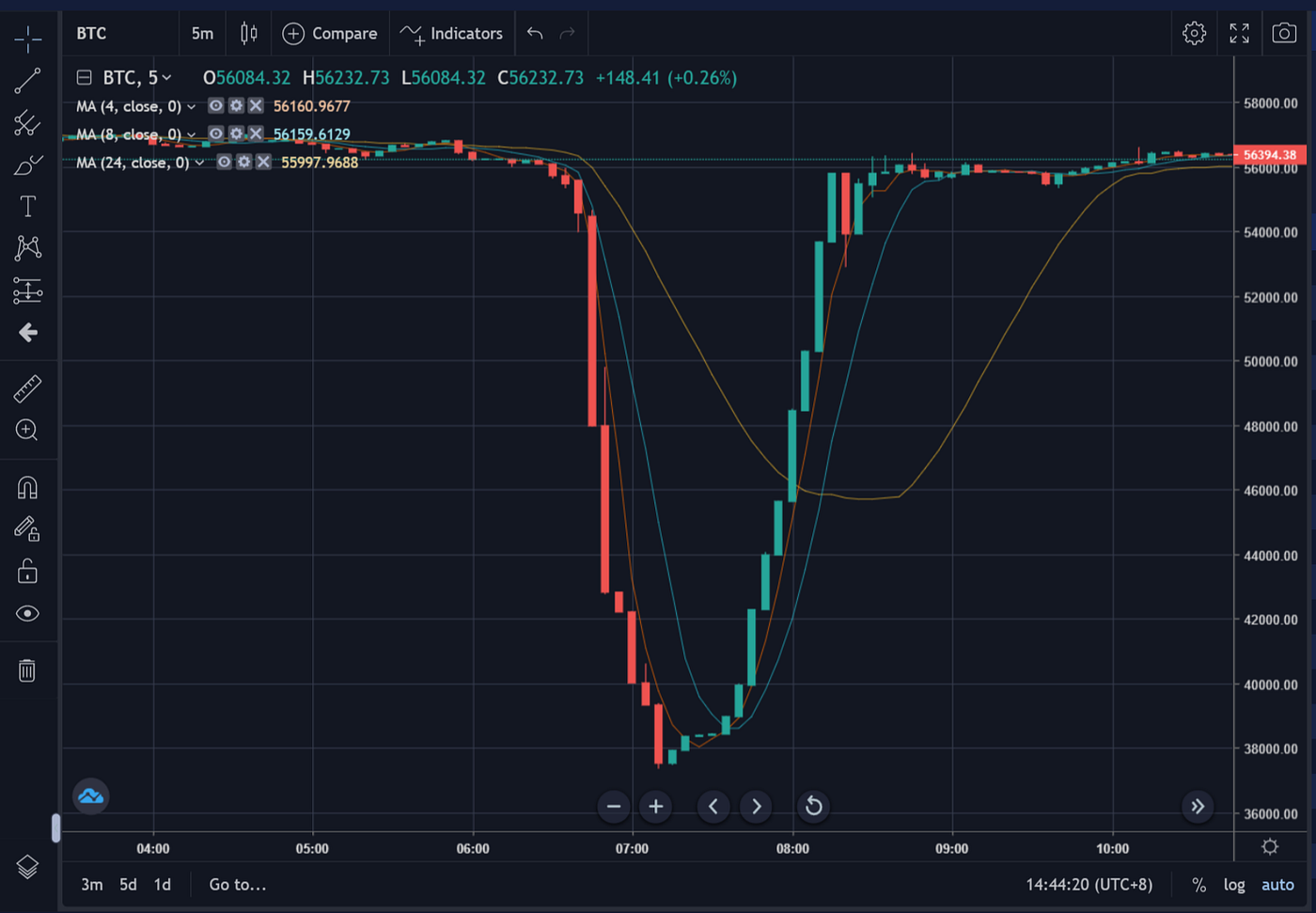
- Flash mispricings leading to losses: HFT bots like those in QuantVPS strategies exploit Polymarket latencies, risking rapid amplified losses for all traders.
- Herding into crowded trades: AI swarms, such as Moon Dev's open-source agents, mimic big traders on Polymarket, overcrowding positions and inflating bubbles.

- Cross-platform arbitrage failures during outages: Bots arbitraging Polymarket-Kalshi, like Reddit algotrading examples, fail in downtime, causing stuck funds and losses.

- Lack of human oversight in volatile events: Autonomous agents like Astron's Raven 1.0 trade without intervention, escalating risks in high-volatility scenarios.
These aren't hypotheticals. Sources paint a market where bots claim the lion's share, leaving humans scrambling. Astron’s Raven 1.0 boasts 98% short-term accuracy, but what of long-tail errors? Decentralized prediction markets invite clever strategies, yet without crypto prediction trading compliance, they court systemic threats. Regulators eye this space warily; platforms must preempt black swans.
Kill-Switches as the Ultimate Circuit Breaker
Enter the 'AI Kill Switch' - a clever defense flipping the script on rogue agents. A fresh study deploys defensive prompts embedded in sites, triggering internal safeties in web-based LLMs. Malicious intents? Halted cold, with over 80% efficacy across models and scenarios. For Polymarket agents, this translates to protocol-level halts: detect anomalous trades, embed kill signals in APIs or smart contracts. Human-in-the-loop approvals gate updates, curbing drift. As someone blending fundamentals and technicals for medium-risk strategies, I applaud this. Diversification works because it caps exposure; kill-switches do the same for autonomy.
Implementation varies. On-chain oracles could flag deviations from risk parameters, auto-liquidating positions. Off-chain, VPS-hosted bots integrate API kill endpoints, pausing on volatility thresholds or position size breaches. Polymarket's structure suits this: combinatorial markets demand precise controls to avoid tail-risk bets exploding. Recent bot launches tout execution prowess, but ignore the guardrails clause. Without them, a millisecond edge becomes a margin call nightmare. Studies stress layered defenses - not just kills, but pre-trade validations and post-event audits.


No comments yet. Be the first to share your thoughts!