
Why crypto traders need AI guardrails
Autonomous trading bots execute thousands of transactions per second, leaving a narrow window for human intervention. In 2026, the speed of these algorithms is no longer an advantage against fraud; it is a liability. Sophisticated threat actors now deploy AI-driven phishing campaigns and smart contract exploits that mimic legitimate trading signals with uncanny precision. A manual review process, which might take minutes to detect a discrepancy, is functionally obsolete against threats that operate in milliseconds.
The primary vulnerability lies in the inability of standard monitoring tools to distinguish between high-frequency legitimate arbitrage and malicious transaction flooding. Without AI guardrails, traders cannot differentiate between a market-driven price spike and a coordinated "rug pull" or liquidity drain. Manual oversight fails to scale with the complexity of modern DeFi protocols, where a single misconfigured permission can lead to total asset loss before a human trader can react.
Effective protection requires systems that analyze behavioral patterns in real-time. These guardrails must identify anomalies in transaction signatures, unusual gas fee structures, and suspicious counterparty interactions. By automating the detection of these subtle fraud vectors, traders can maintain the speed of their bots while eliminating the catastrophic risks associated with unmonitored autonomous activity.
How Agent Trader Guard 2026 works
Agent Trader Guard 2026 operates as an autonomous sentry between your trading bot’s intent and the blockchain’s execution layer. Rather than reacting to fraud after funds are lost, it intercepts every transaction request for real-time risk scoring. This mechanism is essential for high-frequency automated trading, where human intervention is too slow to prevent irreversible losses.
The system parses the raw transaction data—including contract addresses, gas limits, and token approvals—against a dynamic database of known malicious patterns. It evaluates the smart contract’s bytecode for hidden functions, such as unauthorized token minting or liquidity drains. If the risk score exceeds the configured threshold, the transaction is halted, and the alert is logged for immediate review.
This process relies on continuous model updates derived from on-chain forensics. By monitoring the propagation of new exploit signatures across decentralized networks, Agent Trader Guard 2026 reduces the attack surface for AI-driven trading agents. The result is a frictionless security layer that protects capital without compromising the speed of automated execution.
Top crypto safety tools compared
The 2026 crypto security landscape is fragmented, with specialized tools targeting different vectors of AI-driven fraud. Agent Trader Guard distinguishes itself through real-time behavioral analysis, but it competes directly with established infrastructure providers and niche compliance platforms. Understanding the technical trade-offs between these solutions is critical for maintaining capital integrity.
Agent Trader Guard operates as a behavioral monitor, flagging anomalies in transaction patterns before execution. In contrast, tools like Chainalysis Reactor focus on post-transaction attribution and forensic analysis, while Fireblocks emphasizes institutional-grade custody and approval workflows. Each approach addresses a different phase of the threat lifecycle.
The following comparison highlights key operational differences. Monitoring speed determines how quickly a threat is neutralized. Supported chains define the scope of protection. False positive rates impact trading efficiency. Agent Trader Guard targets low-latency detection across major EVM chains, whereas competitors often prioritize broader chain coverage at the cost of speed.
| Tool | Monitoring Speed | Supported Chains | False Positive Rate |
|---|---|---|---|
| Agent Trader Guard 2026 | Real-time (sub-second) | EVM (ETH, BSC, Polygon) | Low |
| Chainalysis Reactor | Post-transaction | 100+ | Medium |
| Fireblocks | Pre-approval workflow | 50+ | Low |
| Elliptic | Batch processing | 100+ | Medium |
Best AI fraud protection picks
Securing autonomous trading agents requires more than just strong passwords; it demands specialized software that monitors on-chain behavior in real time. The following tools represent the current standard for AI-driven fraud protection, selected for their ability to detect anomalies before capital is lost. These solutions range from comprehensive wallet security suites to specialized plugins for popular trading bots.
The market for crypto safety tools has matured, shifting from reactive recovery services to proactive prevention. When selecting a product, prioritize those that offer real-time transaction scanning and address whitelisting capabilities. The tools listed below are available for immediate purchase and integration into your existing trading infrastructure.


As an Amazon Associate, we may earn from qualifying purchases.
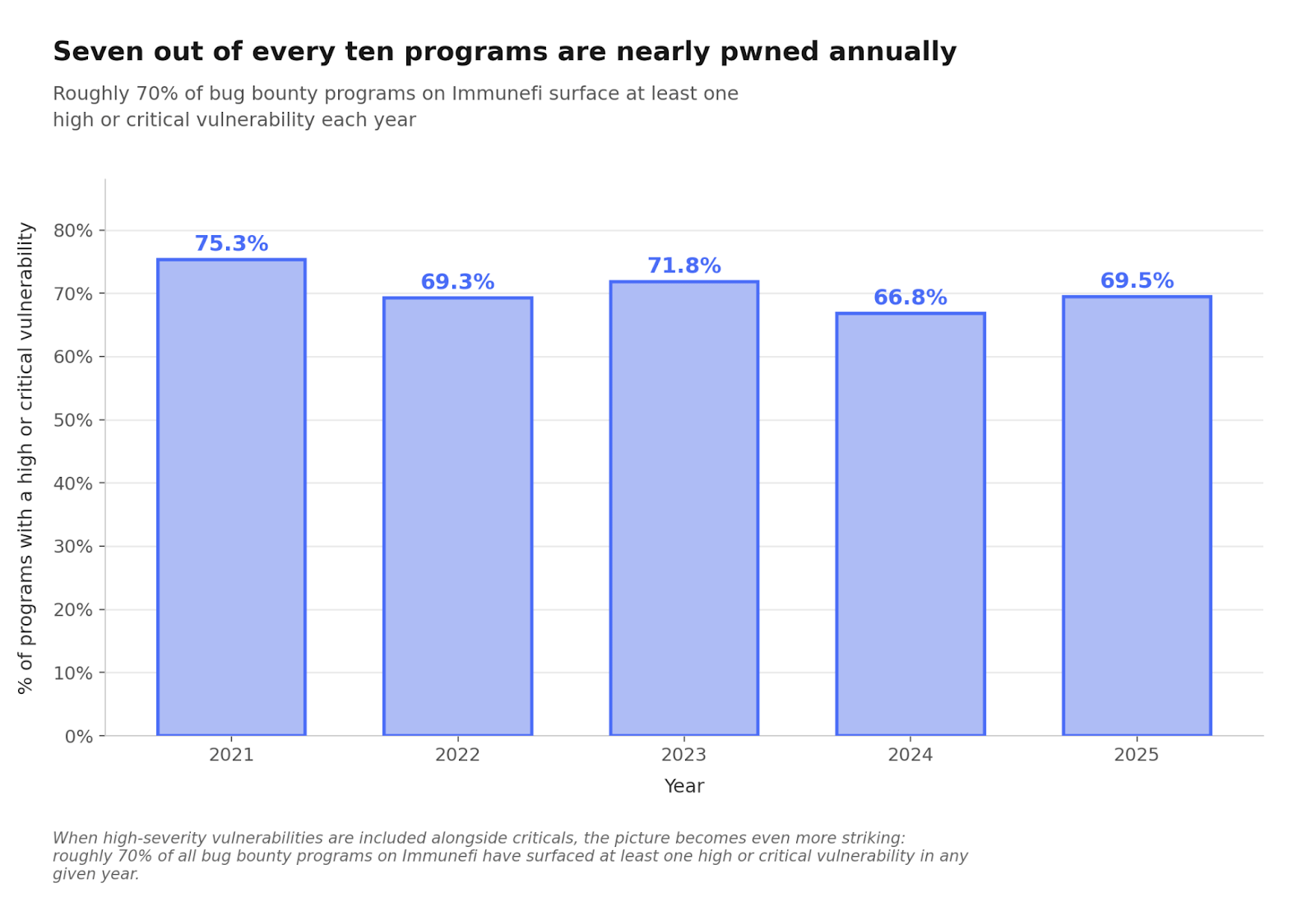
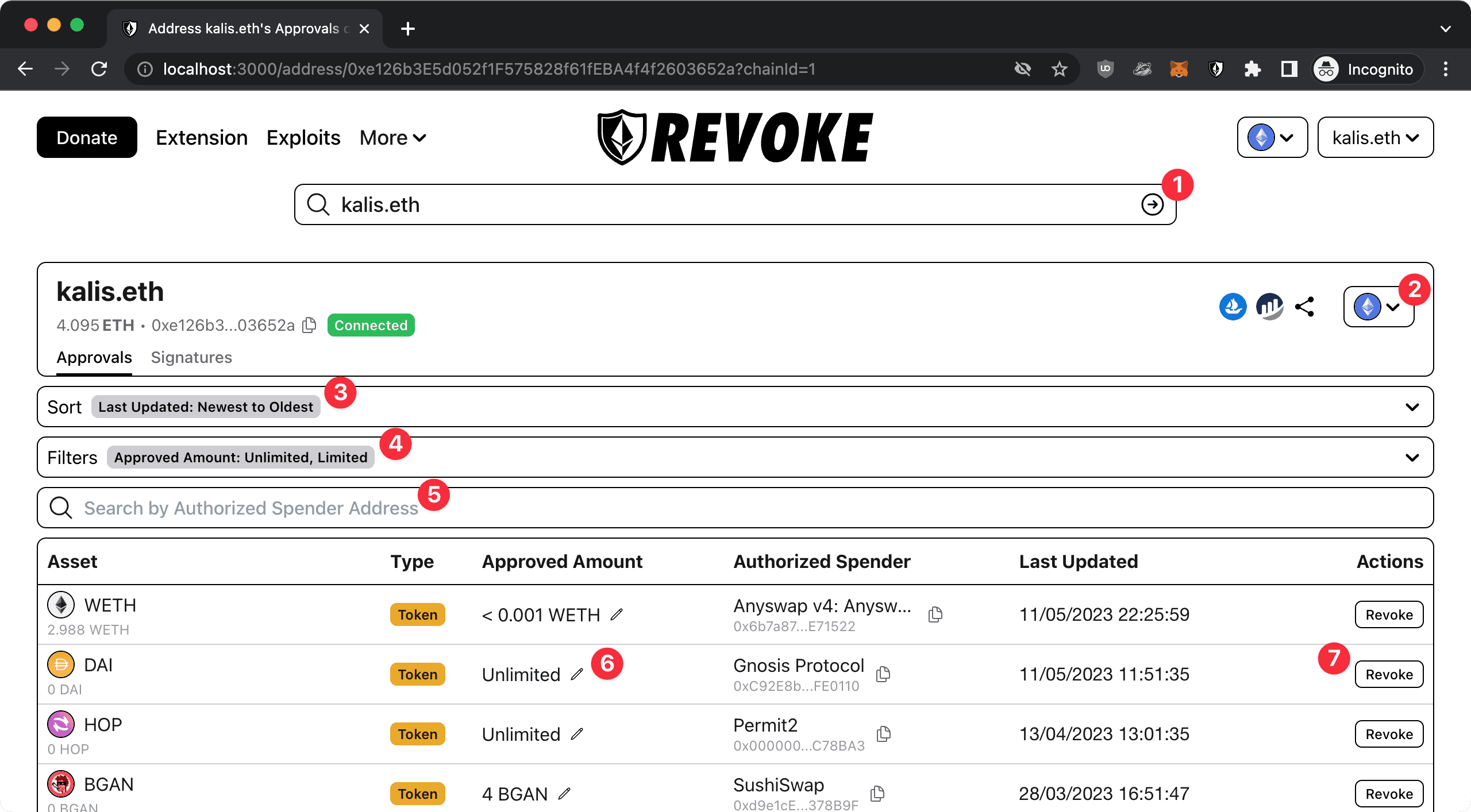
Each of these products addresses a different layer of the threat landscape. Hardware wallets like the Ledger and Trezor provide the foundational cold storage security necessary for long-term holdings. Meanwhile, software tools like Revoke.cash are critical for managing the permissions granted to smart contracts during active trading. For protocol-level security, platforms like Immunefi offer a different kind of protection by incentivizing ethical hackers to find vulnerabilities before malicious actors do.
Setting up your trading bot security
Autonomous agents operate with speed and precision, but they lack intuition. Without rigid guardrails, a single misconfigured permission can lead to irreversible fund loss. The initial setup phase is where you establish the perimeter. Treat your API keys not as credentials, but as the physical keys to a vault; the fewer keys you hand over, the safer the vault remains.
Restrict API permissions to the absolute minimum
Most exchanges offer granular control over API keys. When generating a key for your AI agent, disable withdrawal permissions entirely. The agent should only have read access (to view balances) and trade access (to execute orders). If your bot requires market data, ensure those endpoints are enabled, but block any endpoint that allows fund movement. This single restriction neutralizes the most common vector for immediate theft: if the key is compromised, the attacker can trade your portfolio but cannot drain your wallet.
Implement strict IP whitelisting
API keys alone are insufficient if the server hosting your bot is compromised. Configure your exchange’s security settings to whitelist only the specific IP addresses from which your trading bot will connect. This ensures that even if an attacker obtains your API key and secret, they cannot use it from their own location. For cloud-based bots, verify the static IP ranges of your hosting provider and add those to the whitelist. This creates a digital fence that only authorized infrastructure can cross.
Define transaction limits and velocity controls
AI models can sometimes suffer from "hallucinations" or logical errors that result in erratic trading patterns. Set maximum order sizes and daily loss limits within your exchange’s API settings. For example, cap any single trade at 5% of your total portfolio and set a daily loss limit of 2%. This prevents a single bad prediction or a runaway loop from wiping out your capital. These limits act as a circuit breaker, forcing a pause in activity when risks exceed your defined parameters.
Enable multi-factor authentication (MFA) on all accounts
Never rely on passwords alone. Enable FIDO2 security keys or TOTP-based MFA on both your exchange account and the server hosting your bot. Avoid SMS-based 2FA, which is vulnerable to SIM-swapping attacks. For the highest level of security, use hardware security keys (like YubiKey) for your exchange account. This adds a physical layer of verification that is extremely difficult for remote attackers to bypass.
Set up real-time alerting for suspicious activity
You cannot monitor your bot 24/7, so let the system alert you. Configure your exchange and bot software to send immediate notifications via Telegram, Discord, or email for any trade execution, login attempt, or API key modification. Include details such as the asset traded, the price, and the IP address of the request. This allows you to react instantly to anomalies, such as a trade occurring at an unusual hour or from an unrecognized IP address.

Create a new API key on your exchange. Immediately disable "Withdrawal" permissions. Copy the key and secret securely into your bot’s configuration file. Never store these in plain text or commit them to public repositories.
Identify the static IP address of your bot’s hosting environment. Add this IP to the whitelist in your exchange’s API security settings. Test the connection to ensure the bot can still execute trades. If the connection fails, the IP may be dynamic; consult your hosting provider for a static IP solution.

Define maximum order size and daily loss limits. For example, set a 5% max trade size and a 2% daily loss cap. Save these settings in your exchange’s API permissions or within your bot’s configuration file. This ensures that even if the AI makes a critical error, your exposure is contained.
Common questions about crypto fraud protection
The intersection of algorithmic trading and decentralized finance introduces unique security vectors that traditional banking safeguards do not cover. Understanding how AI-driven transaction monitoring operates is essential for maintaining capital integrity in high-stakes environments.
No comments yet. Be the first to share your thoughts!