
The rise of AI trading scams in 2026
AI-powered fraud is no longer a niche threat; it has become the dominant vector for investment deception. According to Vectra AI, AI scams surged 1,210% in 2025, a rate of growth that far outpaces the 195% increase in traditional fraud methods. This explosive expansion signals a shift in criminal strategy: bad actors are now leveraging generative AI to scale their operations with minimal human oversight.
The financial stakes are escalating rapidly. Projections indicate that losses from these sophisticated schemes could reach $40 billion by 2027. The primary appeal for victims remains the same—promises of passive income and unachievable returns—but the execution has become far more convincing. Scammers now use AI to create hyper-realistic trading bots, synthetic voice clones, and personalized phishing campaigns that bypass traditional security filters.
Regulators are responding to this new reality. The Australian Securities and Investments Commission (ASIC) has ramped up its enforcement actions, specifically targeting AI-powered online investment scams. In official releases, ASIC warns that claims of AI trading bots generating guaranteed profits are almost invariably fraudulent. The agency notes that these tools are designed to exploit the gap between public enthusiasm for artificial intelligence and the technical reality of how trading algorithms actually function.
This convergence of advanced technology and predatory intent creates a high-risk environment for retail investors. The sophistication of these scams means that visual and auditory cues once used to detect fraud are no longer reliable. Understanding the scale and mechanics of this threat is the first step in protecting your capital.
How algorithmic fraud targets retail investors
The core of algorithmic fraud in 2026 relies on synthetic identities and fabricated performance data. Scammers use AI to create convincing digital personas and generate "proof" of profits that never existed. This combination allows them to bypass traditional verification methods and build trust with victims who are looking for automated income.
Synthetic identities bypass verification
Fraudsters use AI to generate synthetic identities—mixing real and fake information—to pass Know Your Customer (KYC) checks. These digital personas can open brokerage accounts, verify bank details, and create social media profiles that appear legitimate. Once established, these identities are used to host fake trading platforms or social media accounts that lure victims.
Fake returns and too-good-to-be-true profits
The most common hook is the promise of high returns with zero risk. Scammers use AI to generate realistic-looking trading dashboards showing consistent gains. They may also use deepfake video calls to "confirm" these profits. The California Department of Financial Protection and Innovation warns that these scams often claim AI can trade crypto on behalf of investors to generate profits that are simply impossible in real markets [src-serp-4].
AI-powered scale and realism
The 2026 fraud landscape presents compounding challenges because AI allows criminals to scale their operations. They can target thousands of potential victims simultaneously with personalized messages and fake testimonials. The realism of these scams has increased dramatically, making it harder for retail investors to distinguish between legitimate AI trading tools and fraudulent schemes [src-serp-5].
Agent Trader Guard review and features
Agent Trader Guard functions as a digital circuit breaker for AI-driven trading. While standard platforms rely on post-trade audits or reactive fraud detection, this system operates at the execution layer, intercepting anomalies before they settle. It is designed to close the gap between algorithmic speed and human oversight, ensuring that an AI agent cannot bypass established risk limits without triggering a hard stop.
The architecture rests on three primary guardrails that enforce strict operational boundaries. First, the system implements real-time position monitoring that tracks exposure across all connected accounts. If a single AI agent attempts to over-leverage or deviate from its authorized strategy, the system freezes the order stream instantly. This prevents the cascading losses often seen when automated bots chase volatile market movements.
Second, Agent Trader Guard utilizes behavioral biometrics to verify intent. It distinguishes between legitimate algorithmic patterns and malicious scripts or compromised credentials. By analyzing execution velocity and trade frequency, it flags irregular activity that mimics human panic selling or irrational buying. This layer of defense is critical in 2026, where AI-generated phishing and social engineering are increasingly sophisticated.
Finally, the platform enforces a transparent audit trail for every transaction. Unlike opaque black-box AI models, Agent Trader Guard logs the exact logic and data points that triggered each trade. This ensures compliance with emerging regulatory standards and provides users with clear evidence in the event of a dispute.
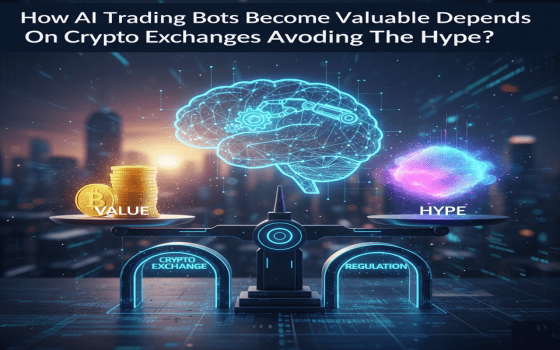
To understand the necessity of these controls, consider the volatility of the broader market. AI agents operate at speeds that far exceed human reaction times. Without a guardrail like Agent Trader Guard, a minor market dip can trigger a cascade of automated sell-offs, amplifying losses across the portfolio. The system acts as a stabilizer, allowing the AI to function without exposing the user to existential risk.
Comparing protection strategies for 2026
The fraud landscape is shifting rapidly. AI-driven scams are scaling with realism and speed that manual oversight cannot match. As noted by the California DFPI, these schemes often promise unachievable returns, relying on synthetic identities and automated phishing to bypass traditional safeguards.
Choosing the right defense requires understanding the trade-offs between automated protection, manual vigilance, and basic algorithmic tools. The table below contrasts Agent Trader Guard against common alternatives on security depth, response speed, and operational cost.
| Feature | Agent Trader Guard | Manual Monitoring | Basic Bots |
|---|---|---|---|
| Detection Method | AI-driven pattern analysis | Human review | Static rule sets |
| Response Time | Real-time | Hours to days | Minutes (high false positives) |
| Scam Adaptability | High (learns new patterns) | Low (relies on awareness) | None (static rules) |
| Cost | Subscription | High labor cost | Low upfront, high risk |
Manual monitoring is no longer viable for high-volume trading environments. The sheer volume of AI-generated content makes human review a bottleneck. Basic bots offer a false sense of security; they flag known threats but miss the novel, adaptive tactics used in 2026 scams.
Agent Trader Guard bridges this gap. It combines the speed of automation with the adaptability of AI, ensuring that protection evolves alongside the threats. For traders, this means fewer false positives and a higher likelihood of catching sophisticated fraud before it impacts your capital.
Essential tools for crypto bot safety
The surge in AI-powered fraud requires more than just software vigilance; it demands a hardened perimeter around your assets. Scammers now use synthetic identities and voice cloning to bypass traditional security, making passive protection insufficient. You need tools that verify identity and isolate your capital from online threats.
Hardware wallets for cold storage
A hardware wallet is the single most effective tool for protecting crypto from bot-related theft. By keeping private keys offline, these devices ensure that even if your computer is compromised by a malicious trading script, your funds remain inaccessible to attackers. Look for devices with open-source firmware and strong physical buttons for transaction confirmation.


As an Amazon Associate, we may earn from qualifying purchases.
Secure password managers
Since most trading scams begin with phishing attempts targeting your login credentials, a dedicated password manager is essential. These tools generate unique, complex passwords for every exchange and wallet service, preventing a single data breach from compromising your entire portfolio. They also help you identify suspicious login attempts by flagging logins from unfamiliar locations.

Network monitoring tools
For those actively using AI trading bots, network monitoring tools can detect unusual outbound connections that may indicate malware or unauthorized data exfiltration. These utilities provide a layer of visibility into what your trading software is actually doing behind the scenes, allowing you to spot and block suspicious activity before funds are lost.
Steps to secure your automated trading
Scammers are increasingly using AI to mimic legitimate trading bots, promising passive income and unachievable returns. The Australian Securities and Investments Commission (ASIC) has ramped up action against these AI-powered scams, noting that such bots are highly unlikely to deliver the promised results. Protecting your capital requires immediate, concrete steps to verify any trading platform or bot before connecting your funds.

Before depositing funds, confirm the platform is registered with a reputable financial authority. In the US, check with the SEC or CFTC; in Australia, verify with ASIC. Legitimate automated trading services must be licensed. If a platform claims to be AI-driven but lacks regulatory oversight, it is likely a scam. Never trust unverified claims of "regulated AI trading bots."
When connecting your broker account via API, restrict permissions to "read-only" or "trade" only. Never grant "withdraw" permissions to a third-party bot or trading service. This single setting prevents scammers from draining your account even if they gain access to your trading logic. Treat your API keys like passwords: they should never allow fund removal.

Legitimate trading algorithms provide verifiable, third-party audited performance records. Be wary of bots that show only "backtested" results or cherry-picked screenshots. Look for real-time, trackable performance logs linked to your specific broker account. If a bot cannot prove its past performance with independent verification, assume the results are fabricated.

Set up alerts for any large withdrawals, changes to beneficiary details, or trades outside your defined parameters. Automated systems should operate within strict risk limits you set. If you notice sudden spikes in trading volume or unexpected transfers, disconnect your API key immediately and contact your broker. Early detection is critical to limiting losses.
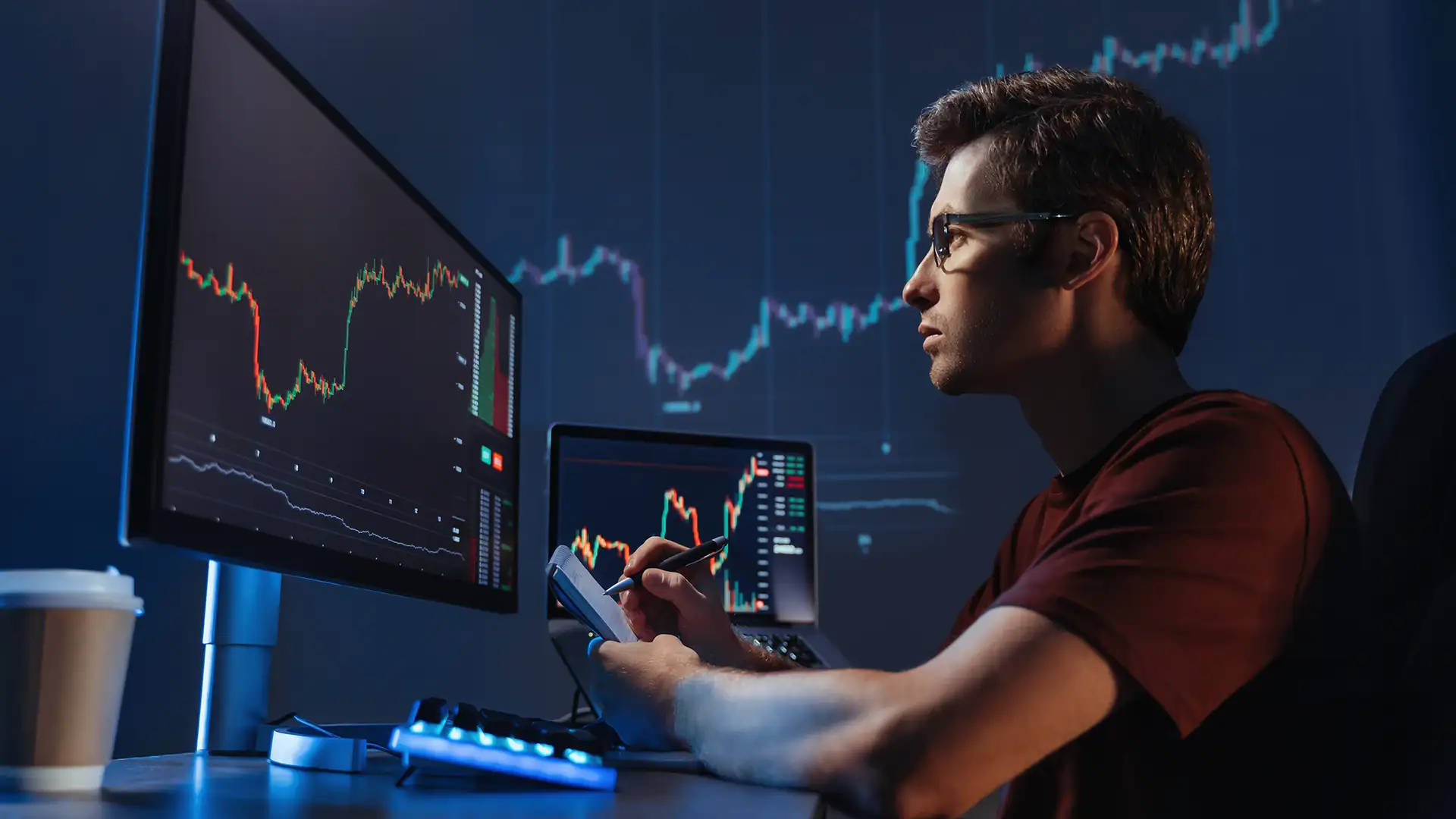
Open a separate bank account and brokerage account solely for automated trading. Fund this account with only the amount you can afford to lose. This isolation ensures that even if your AI trading bot is compromised, your primary savings and main investment accounts remain untouched. It is a simple but effective firewall against total financial ruin.
These steps form the baseline for securing your automated trading activities. By verifying legitimacy, restricting access, and monitoring closely, you significantly reduce the risk of falling victim to AI-powered investment scams.
Frequently asked questions about AI trading safety
Investors increasingly worry about the intersection of artificial intelligence and financial fraud. While legitimate AI tools exist for market analysis, the landscape is crowded with scams promising automated wealth. Understanding the difference between real technology and fraudulent schemes is essential for protecting your capital.
Is it worth investing in AI in 2026?
Investing in established AI companies is a recognized strategy for capturing long-term growth. Major financial institutions view AI as a central force shaping market outlooks. However, this refers to equity investment in technology firms, not "AI trading bots" that guarantee passive income. Scammers often conflate these two concepts to lure victims into fake platforms.
How do I earn money with AI safely?
Legitimate ways to leverage AI include content creation, freelance services, and automation consulting. These methods require active work and skill development. They do not involve handing over funds to a platform claiming to trade on your behalf. If an opportunity promises high returns with zero effort, it is likely a scam.
What are the signs of an AI trading scam?
Common red flags include claims of unachievable returns, pressure to deposit funds quickly, and the use of sophisticated but unverifiable algorithms. Regulators like the ASIC have warned that it is highly unlikely for any trading bot to consistently generate the profits advertised. Always verify the registration status of any financial platform before depositing money.
No comments yet. Be the first to share your thoughts!