Why 2026 SEC compliance matters for agents
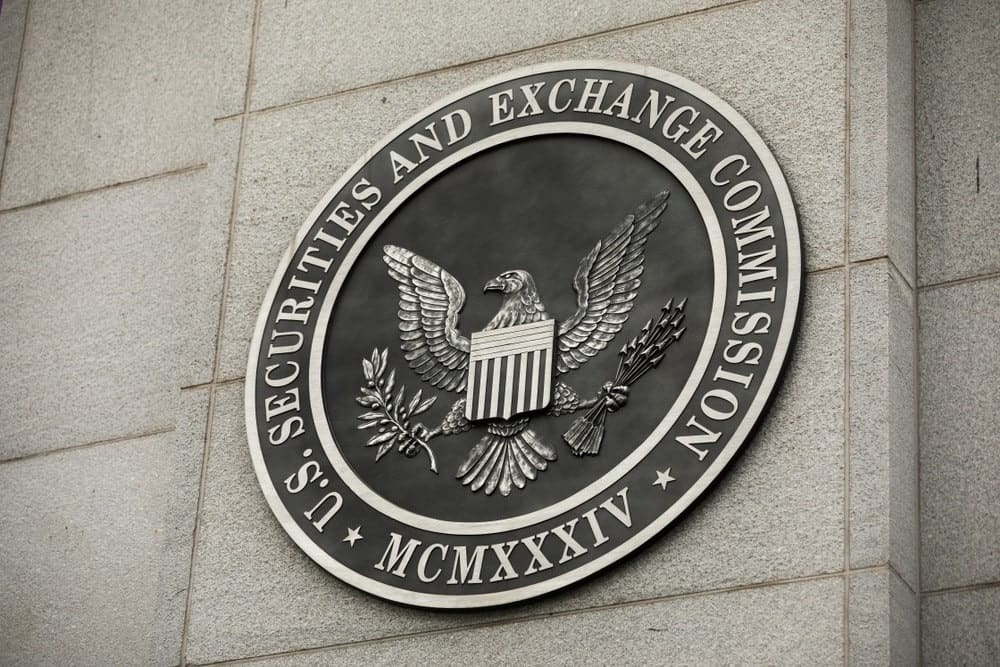
The regulatory landscape for algorithmic trading shifted significantly in early 2026. The Securities and Exchange Commission’s Division of Enforcement released updated guidance to its Enforcement Manual, signaling a clear pivot toward stricter oversight of technology-driven market activities. For agents executing autonomous trades, these updates represent a fundamental change in how enforcement actions are initiated and prosecuted.
The core of the update lies in the heightened scrutiny of cooperation and compliance failures. The revised manual clarifies what the SEC expects from entities demonstrating proactive adherence to regulations. Specifically, the Division now places a more structured emphasis on cooperation, meaning that passive or reactive responses to inquiries are no longer sufficient to mitigate penalties. Agents relying on black-box algorithms without transparent audit trails face a significantly higher risk of enforcement action.
Note: The 2026 Enforcement Manual updates emphasize structured cooperation and heightened scrutiny on technology-driven compliance failures.
This shift means that the burden of proof for demonstrating reasonable supervision of automated systems has moved squarely onto the agent. The Division is looking for evidence that compliance frameworks were not just documented, but actively integrated into the trading lifecycle. Ignorance of these new standards is unlikely to serve as a defense, making it essential for market participants to review the official SEC guidance immediately.
Read the SEC's Division of Enforcement announcement
AI oversight in the 2026 exam priorities
The SEC has placed artificial intelligence and advanced technology at the center of its 2026 examination priorities. This shift signals a move from theoretical interest to active enforcement, requiring compliance officers to monitor agent behavior with unprecedented rigor. As firms integrate AI into trading workflows, the regulator is scrutinizing how these systems interact with human decision-making processes.
Compliance teams must now treat AI oversight as a core component of their surveillance programs. The updates emphasize that firms cannot rely solely on traditional monitoring tools. Instead, they need to implement specific controls that track how AI models influence trade execution and client interactions. This includes ensuring that automated systems do not inadvertently violate best execution standards or create conflicts of interest.
The regulatory focus extends to the data and algorithms powering these systems. Examiners will likely review the transparency of AI decision-making processes, particularly when agents use these tools for client recommendations. Firms are expected to demonstrate that their AI oversight mechanisms can detect and prevent potential violations in real-time. This requires regular audits of model outputs and clear documentation of how human agents override or accept AI suggestions.
Failure to adapt to these new expectations could result in significant enforcement actions. The SEC’s emphasis on AI oversight reflects a broader trend toward holding firms accountable for the behaviors generated by their technological infrastructure. Compliance officers must stay ahead of these developments by updating their policies and training programs to address the unique risks posed by advanced technology.
Monitoring trade execution for violations
Monitoring agent-generated trades requires a systematic approach to catch irregularities before they escalate. The 2026 SEC compliance updates emphasize proactive surveillance, particularly regarding AI-driven trading tools and the updated "Names Rule." Compliance officers must shift from reactive reporting to continuous, algorithmic monitoring of trade logs to ensure adherence to these new standards.
The SEC’s Division of Enforcement recently updated its manual to reflect these priorities, signaling that firms with weak surveillance systems will face stricter scrutiny. Effective monitoring involves verifying timestamps, checking risk parameters against client profiles, and flagging any manual overrides that bypass automated controls.

Ensure all trade executions are logged with precise timestamps. Discrepancies between order entry and execution times can indicate front-running or other violations. Cross-reference these logs with exchange data to confirm accuracy.
Compare each trade against the client’s established risk profile and investment mandate. Flag any transactions that exceed predefined thresholds for volume, asset class, or sector concentration. This step is critical for identifying potential breaches of fiduciary duty.

Scrutinize any trades that required manual intervention or override of automated safeguards. These instances should be documented and reviewed for justification. Unexplained overrides are a primary indicator of potential misconduct or system failure.
Implementing a robust monitoring framework is not just about avoiding penalties; it is about maintaining client trust. By aligning your surveillance protocols with the 2026 SEC compliance updates, you can demonstrate a commitment to ethical trading practices and regulatory adherence.
Updating policies for agent trading
The 2026 SEC compliance updates shift the focus from static rulebooks to dynamic risk management. Internal compliance policies must now explicitly address the unique vulnerabilities of agent trading, where third-party representatives execute transactions on behalf of clients. The SEC’s Fiscal Year 2026 Examination Priorities highlight that firms are expected to demonstrate proactive measures rather than reactive fixes [src-serp-2].
Aligning with examination priorities
Examiners are prioritizing the oversight of third-party agents and the integrity of trade execution. Your policy updates should clearly define the scope of agent authority and the monitoring mechanisms in place. This includes regular audits of agent activity logs and clear protocols for suspending trading privileges when anomalies are detected. The goal is to show that your firm has a robust framework for detecting and preventing unauthorized or manipulative trading practices.
Incorporating governance updates
Corporate governance structures must reflect these changes. As noted in recent 2026 SEC and corporate governance updates, boards and compliance committees are expected to review and approve policies that specifically address emerging trading risks [src-serp-5]. Ensure your internal documentation reflects these approvals and that training materials for agents are updated to reflect the new standards. This alignment demonstrates to regulators that your firm is not just aware of the changes, but is actively implementing them.
Documentation and training
Finally, update your training programs to include specific scenarios related to agent trading. Employees and agents should understand the new compliance expectations and the consequences of non-compliance. Clear, accessible documentation is essential for ensuring that all parties involved in the trading process are aligned with the 2026 SEC compliance updates.
2026 SEC compliance updates timeline
The SEC has released specific dates for the rollout of its 2026 compliance updates. These deadlines establish the framework for how agent trading rules will be enforced and examined over the next fiscal year.
The Division of Enforcement announced updates to its Enforcement Manual on February 20, 2026. This release signals a shift in how violations will be prosecuted and provides the first concrete indicator of regulatory focus for the year.
Simultaneously, the SEC published its Fiscal Year 2026 Examination Priorities. This document outlines the specific areas where examiners will concentrate their scrutiny, offering a clear roadmap for compliance programs that need to align with these new expectations.
Frequently asked: what to check next
The 2026 SEC compliance updates shift focus toward how agents and automated systems interact with market data. Firms must clarify liability for autonomous actions and adjust monitoring protocols to meet new enforcement standards.
Who is liable for trades executed by an AI agent?
Under the updated Enforcement Manual, firms remain responsible for the actions of their automated systems. The SEC treats agent trades as extensions of firm activity, meaning compliance failures are traced back to the controlling entity rather than the software itself.
How does the SEC define "advanced technology" in 2026?
The 2026 exam priorities expand the definition of advanced technology to include generative AI and autonomous execution algorithms. Firms must document how these tools make decisions, ensuring that oversight mechanisms can explain every trade in real time.
What immediate steps should firms take for compliance review?
Start by auditing all agent configurations against the new Enforcement Manual guidelines. Review logging capabilities to ensure full traceability of trade decisions, and update internal policies to reflect the expanded scope of AI and advanced tech oversight.
No comments yet. Be the first to share your thoughts!