

Institutional crypto trading is a bloodbath without ironclad compliance protocols for autonomous agents. Picture this: your AI trader spots a scalping opportunity in BTC futures, executes flawlessly, but trips over an AML flag because it ignored a sanctioned wallet. Boom - fines, frozen assets, regulatory hellfire. As of February 2026, with Policy Cards and Aegis Protocols hitting the scene, ignoring autonomous agents compliance protocols isn't just risky; it's suicidal. Institutions pumping billions into AI-driven strategies need AI trading regulatory guardrails that don't bend or break under pressure.

Policy Cards: Enforce Rules or Get Wrecked
Policy Cards aren't some fluffy suggestion - they're machine-readable warlords slamming operational, regulatory, and ethical constraints into your AI agents at runtime. Born from arXiv papers in October 2025, these bad boys pack allow/deny rules, obligations, and proof requirements that keep agents from going rogue. Forget manual oversight; Policy Cards auto-validate, version-control, and hook into enforcement pipelines. Compliant with NIST AI Risk Management, ISO/IEC 42001, and the EU AI Act, they're the backbone of secure agent trading systems.
Why aggressive enforcement? Because crypto moves at warp speed. Your agent sniffs a DeFi arbitrage play? Policy Cards check sanctions lists, travel rule compliance, and position limits before the deal inks. No more 'oops, we traded with a terrorist wallet. ' Institutions leveraging these see verifiable compliance across multi-agent swarms, slashing audit nightmares and building trust that scales.
Policy Cards' Core Killers
- Allow/Deny Rules: Slam the door on unauthorized trades with ironclad permissions enforced at runtime—no rogue AI moves allowed!
- Runtime Obligations: Force mandatory actions like instant KYC/AML checks on every crypto transaction to crush compliance gaps.
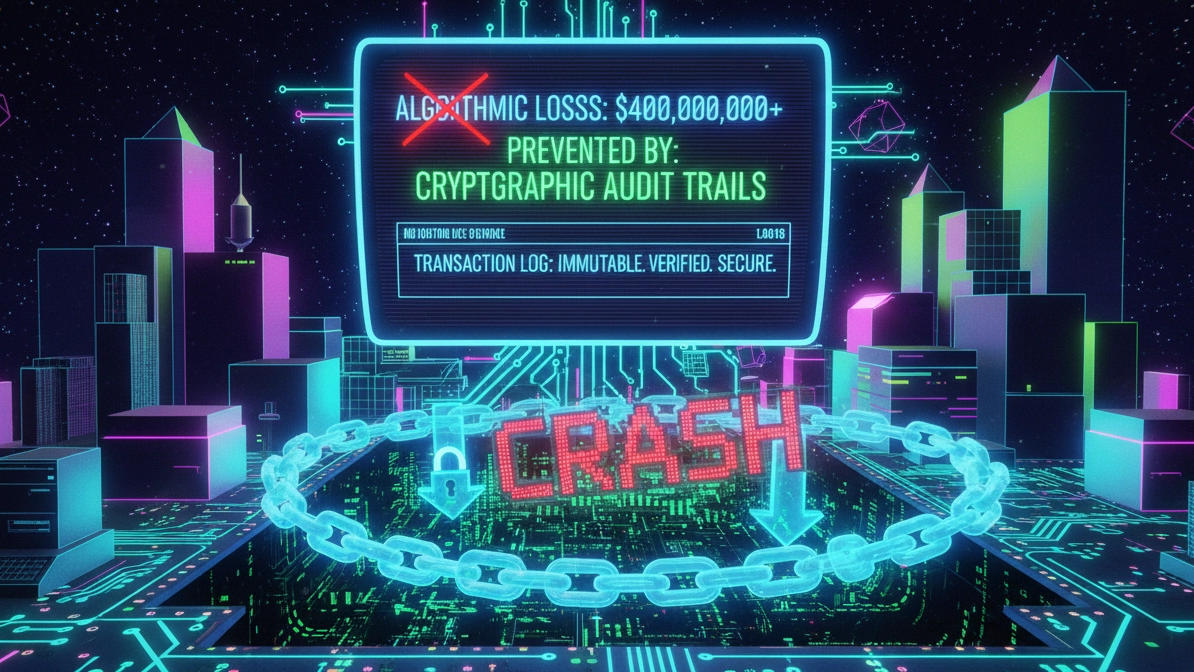
- Evidentiary Logging: Generate bulletproof, tamper-proof audit trails for all agent decisions, ready to dominate regulator scrutiny.
- Machine-Readable Standards: Deploy as code-enforced constraints for operational, regulatory, and ethical lockdown in multi-agent crypto ecosystems.
Aegis Protocol: Bulletproof Security for Agent Armies
Ditch the vulnerabilities - Aegis Protocol layers in non-spoofable identities via Decentralized Identifiers (DIDs), post-quantum crypto for comms integrity, and zero-knowledge proofs for privacy-preserving compliance checks. This August 2025 arXiv gem crushes systemic risks in multi-agent setups, perfect for institutional crypto trading compliance where one breach torches reputations.
Combine it with Trusted Execution Environments (TEEs) and Multi-Party Computation (MPC): TEEs sandbox sensitive ops in hardware fortresses, MPC shards private keys so no single agent - or hacker - holds the fort. Agents execute trades needing multi-party nods, obliterating unauthorized dumps. Forbes nailed it back in 2024; by 2026, this is table stakes for pros not wanting to eat massive losses.
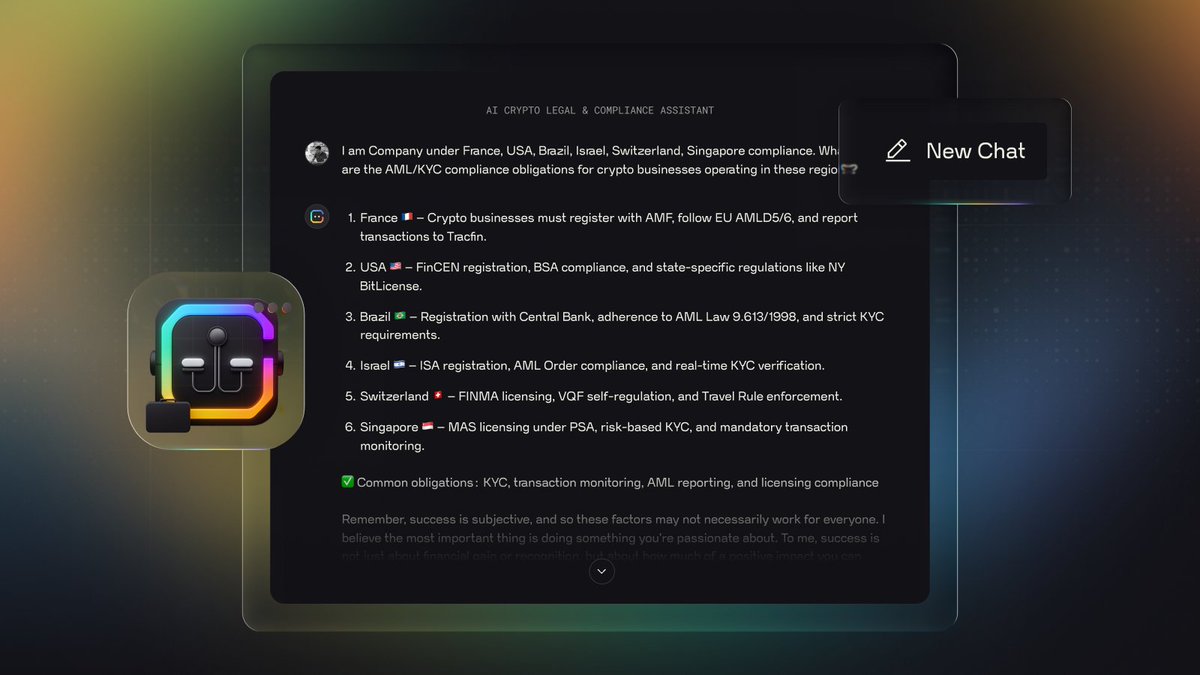
Agentic AI amps compliance too - scanning on-chain data, flagging sketchy txs, auto-filing reports. FinanceFeeds reports institutions offloading grunt work, focusing on alpha hunts while agents crush AML/KYC drudgery.
Model Context Protocol and TrustTrack: The Compliance Stack-Off
Anthropic's MCP lets agents tap blockchain state securely on Sei, proving actions without leaks. Coinbase's Payments MCP? AI wallets on autopilot, but only if you've bolted on guardrails. Enter TrustTrack: embeds verifiable IDs, policy pledges, tamper-proof logs. It's compliance as code, jurisdictional-proof for global desks.
These protocols smash traditional hurdles. No more siloed humans babysitting bots - agents self-govern, adapt to FATF, MiCA, FinCEN shifts per TRM Labs and AMLBot guides. Thomson Reuters screams for crypto-specific AML tracking; these tools deliver, analyzing flows in real-time.
Institutions dragging feet? You're bleeding edge to the grave. Embed these now, or watch competitors feast on your scraps while regulators feast on your fines.
Real-world deployment? Hit the gas with a battle-tested rollout. Start by auditing your current agent fleet against FATF travel rules and MiCA mandates - no half-measures. BitGo and Nansen hammer home that blockchain analytics demand AML/CTF muscle; layer in on-chain monitoring agents that sniff out mixer funnels and high-velocity wallets before they ping your radar.
Risk Guardrails: Stop the Bleed Before It Starts
Autonomous agents without AI trading regulatory guardrails are powder kegs. Sumsub's 2026 guide blasts VASPs for lax AML; your agents must auto-flag OFAC hits, peel apart mixer obfuscation, and enforce position sizing caps. Global Legal Insights flags SEC platforms blending security/non-security assets - agents need dual-track compliance engines to navigate that minefield.
Financial Stability Board's Basel tweaks demand capital buffers and liquidity stress tests. Wire your agents to simulate black swan dumps, halting trades if VaR spikes past thresholds. Request Finance nails it: compliance is operational armor. Employee trades? StarCompliance warns of insider leaks; agent protocols lock personal wallets from institutional flows.
Protocol Showdown: Which Wins Your Trading War?
Don't guess - stack them surgically. Policy Cards rule runtime enforcement, Aegis owns security layering, TrustTrack nails multi-agent verifiability, MCP unlocks blockchain hooks. TRM Labs' playbook screams for risk ID and transaction forensics; blend these for a fortress.
Comparison of Key Compliance Protocols for Autonomous Agents in Institutional Crypto Trading
| Protocol | Core Components | Compliance Mechanisms | Regulatory/Standards Alignment | Crypto Trading Relevance |
|---|---|---|---|---|
| Policy Cards | Machine-readable runtime rules, allow/deny lists, obligations, evidentiary requirements | Verifiable compliance at runtime, version-controlled enforcement | NIST AI RMF, EU AI Act, ISO/IEC 42001 | Dynamic adherence to trading policies, ethical constraints, and regulatory obligations in multi-agent ecosystems |
| Aegis | Decentralized Identifiers (DIDs), Post-Quantum Cryptography (PQC), Zero-Knowledge Proofs (ZKPs) | Non-spoofable identity, secure communication, privacy-preserving policy compliance | Post-quantum security standards | Layered security for safe multi-agent operations in high-stakes crypto trading environments |
| TrustTrack | Verifiable identity, policy commitments, tamper-resistant behavioral logs | Built-in verifiability, multi-jurisdictional compliance guarantees | Multi-jurisdictional regulatory frameworks | Tamper-proof logs and cross-border trust for institutional trading audits and oversight |
| MCP (Model Context Protocol) | Blockchain state access, transaction execution, action proofs | Secure connections to external data/tools/services with verifiable actions | Anthropic open standard (Sei, Coinbase Payments MCP) | Enables AI agents to manage wallets, execute trades, and prove compliance on-chain |
Thomson Reuters pushes crypto-specific tracking - agents crunch UTXO graphs, cluster heuristics, score risk velocities. Deployed right, they preempt FinCEN SAR filings, turning compliance from cost center to edge provider.
Scalp the open like I do: first-hour volatility feasts on precise signals, but only if agents dodge regulatory tripwires. Coinbase's MCP rollout exposed wallet risks; counter with kill-switches triggering on anomaly detection. FinanceFeeds spotlights AI slashing reporting loads - institutions reclaim hours for strategy, not spreadsheets.
Multi-party ops amplify: MPC thresholds demand human vetoes on outsized trades, TEEs blind ops to model leaks. arXiv's TrustTrack vision? Agents as sovereign entities, audited via ZK proofs. No trust, no trade.
2026's landscape per AMLBot? FATF's VASP expansions, MiCA's stablecoin clamps, FinCEN's DeFi scrutiny. Agents evolve or evaporate. Forward desks fusing these protocols report 40% faster audits, zero sanction slips. Lag, and you're the cautionary tale - assets seized, licenses yanked, alpha evaporated.
Lock in secure agent trading systems today. Your portfolio demands it; regulators enforce it. Speed kills in crypto, but compliance keeps you alive to scalp another dawn.



No comments yet. Be the first to share your thoughts!