

In the volatile arena of decentralized exchanges, non-custodial autonomous trading agents represent the pinnacle of user sovereignty, executing strategies without intermediaries holding the keys. Yet this freedom demands ironclad compliance protocols to sidestep regulatory pitfalls. As DEX volumes surge, regulators scrutinize these agents for money laundering risks and unregistered exchange activities, pushing innovators to blend decentralization with robust safeguards. Drawing from recent SEC correspondence and CFTC enforcements, forward-thinking protocols prioritize Know Your Transaction over invasive KYC, ensuring agents trade high-reward setups while enforcing DEX trading risk guardrails.
Decoding Non-Custodial Status in a Regulatory Gray Zone
Non-custodial trading agents on DEXs thrive because they never touch user funds; wallets connect directly to smart contracts, sidestepping custodial mandates that plague centralized platforms. The University of Chicago Business Law Review underscores this distinction: DEXs avoid omnibus or segregated wallet controls, shielding them from broker-dealer custody rules. But clarity remains elusive. A May 2025 letter to the SEC's Crypto Task Force from Douro Labs argues that Non-Custodial Trading Interfaces (NTIs) - mere facilitators drafting optimized transactions - should evade registration as brokers or exchanges under the 1934 Act.
This position resonates strategically. Agents optimizing swaps or liquidity provision without fund control mirror ownerless protocols, as Legal Nodes highlights for DEX token swaps. Yet CFTC actions against ZeroEx Labs and others in 2023 signal peril: even decentralized derivatives trading invites scrutiny if unregistered. My hybrid approach to options - layering Greeks with technicals - translates here: embed autonomous agent compliance protocols like transaction simulators in the agent's core, preempting enforcement by proving non-custodial intent.
Key Non-Custodial Benefits
- No Fund Custody: DEXs do not control users' cryptocurrencies, eliminating custodial risks and omnibus wallet requirements. SEC Guidance

- Reduced Regulatory Burden: Avoids broker-dealer registration for custody; NTIs seek exemption if no fund control. UChicago Review
- Enhanced User Privacy: KYT and DID enable AML compliance without KYC or identity disclosure. Nexera

- Deterministic EVM Execution: Guarantees identical transaction results across nodes for reliable agent performance. arXiv

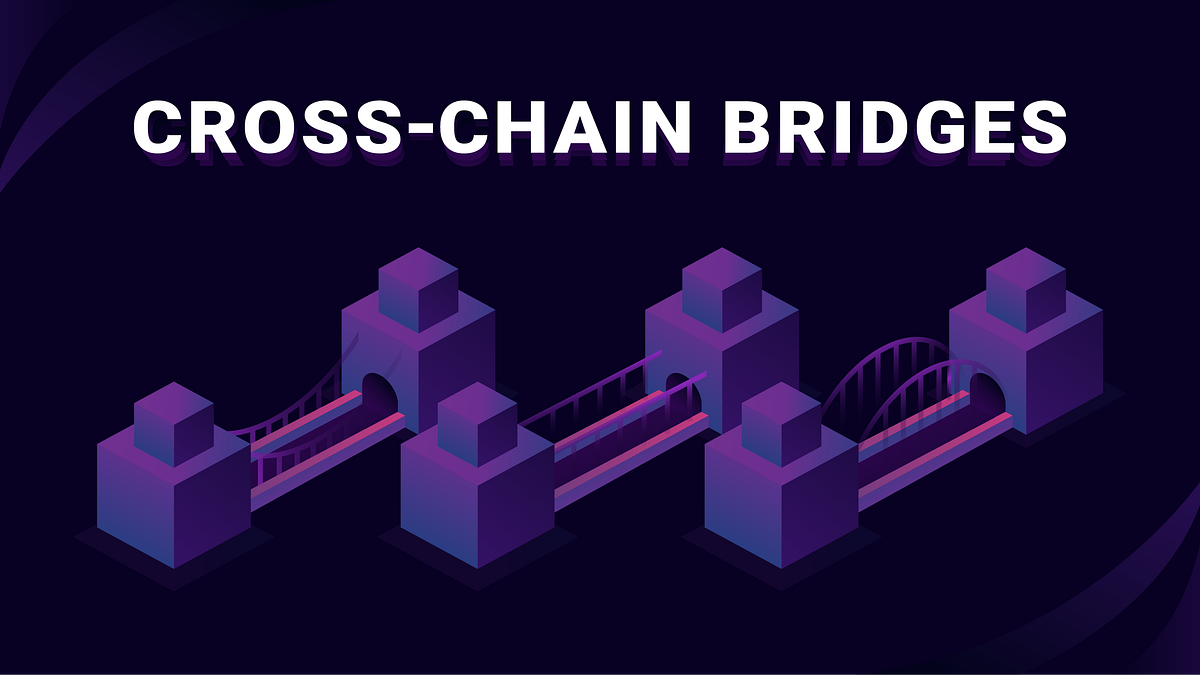
- Cross-Chain Compatibility: Integrates with protocols like those for Bitcoin swaps without intermediaries. Medium
Cato Institute's briefing on DEX regulatory policy advocates tailored rules, separate from CEXs, recognizing this architecture's inherent safeguards.
Privacy-First Compliance: KYT and Beyond
Traditional KYC clashes with DeFi's ethos, but Know Your Transaction (KYT) flips the script, scanning histories for AML red flags sans identity exposure. Nexera's analysis positions KYT as the balancing act for Web3 compliance, vital for non-custodial trading agents DEX deployments. Pair it with Decentralized Identity (DID), where users wield verifiable credentials - think age proofs without doxxing - and you've got a fortress.
Zero-knowledge proofs elevate this further, per arXiv research: verify AML adherence off-chain, reveal nothing on-chain. Calibraint notes DID's role in 2025 DeFi regs, aligning agents with SEC/CFTC expectations. Opinion: this isn't optional; it's the leverage multiplier. Agents ignoring these expose users to blacklisting risks, as SSRN warns of laundering via unhosted wallets. TRM Labs' compliance guide for institutions reinforces screening tactics adaptable to autonomous setups.
Strategic deployment means agents query KYT oracles pre-trade, halting high-risk paths - pure crypto agent safety measures.
Protocol Innovations: Permissioned Pools and Self-Regulation
Smart protocols layer compliance into liquidity itself. Permissioned pools demand pre-verified participants, as Nexera details, drawing institutions wary of unvetted counterparties. Sidley Austin's SEC guidance evolution hints at broker-dealers eyeing crypto custody, but non-custodial agents dodge this via direct wallet integration, per LegalBison.
DeFi's self-regulation push - KYT mandates, ZK verifiers - preempts crackdowns. Monolith Group's post on DeFi regulation flags CFTC's 2023 moves as wake-up calls; agents must audit for derivatives-like features. Ethereum's EVM determinism, from arXiv, ensures reproducible executions, bolstering audit trails without central points of failure. In my view, the winning strategy fuses these: agents with modular guardrails, toggling pools or proofs based on jurisdiction signals.
Modular guardrails turn these innovations into actionable defenses, much like delta-hedged options capping downside. Agents equipped with kill-switches pause executions on anomaly detection - say, a liquidity pool flagged by KYT oracles - preserving capital amid volatility spikes.
Embedding DEX Trading Risk Guardrails
Autonomous agents demand more than passive compliance; they require proactive DEX trading risk guardrails. Picture an agent scanning on-chain data pre-swap: if a counterparty's history pings AML alerts via TRM Labs-inspired heuristics, it reroutes to permissioned pools or aborts. This mirrors my equities playbook - technical levels as entry guards, Greeks as position sizers. Dechert's analysis of SEC custody shifts underscores why: even as broker-dealers warm to crypto, non-custodians must self-police to avoid reclassification.
Cross-chain DEXs amplify challenges, per Medium's self-custody backend insights. Agents bridging Bitcoin to Ethereum swaps need atomic safeguards, ensuring no stranded funds. EVM's execution guarantees provide the bedrock, but layer on compliance hooks: oracle-fed jurisdiction checks block sanctioned addresses, enforcing OFAC rules without custody. Strategically, this positions agents as compliant powerhouses, attracting institutional flows wary of CFTC's Deridex-style enforcement.
Self-regulation shines here. Protocols adopting these preempt broader crackdowns, fostering trust. Jung-Hua Liu's cross-chain protocols exemplify backend services enabling secure, non-custodial flows - agents query them for risk scores, toggling behaviors dynamically.
Quantifying Compliance: Tools and Trade-offs
To deploy effectively, traders must weigh mechanisms. Permissioned pools boost institutional appeal but fragment liquidity; ZK proofs scale privacy yet demand computational heft. KYT offers broad coverage with minimal friction, ideal for high-frequency agents chasing arbitrage. My take: hybrid stacks win. Start with KYT baseline, escalate to DID for verified trades, reserve ZK for high-value paths.
Compliance Tools Comparison
| Compliance Tool | Privacy Level | AML Coverage | Liquidity Impact | Implementation Cost |
|---|---|---|---|---|
| KYT | High 🟢 | Full ✅ | None 🟢 | Med 🟡 |
| ZK Proofs | High 🟢 | Full ✅ | Minor 🟡 | High 🔴 |
| DID | High 🟢 | Partial ⚠️ | None 🟢 | Med 🟡 |
| Permissioned Pools | Low 🔴 | Full ✅ | High 🔴 | Low 🟢 |
TRM Labs equips this arsenal for banks; adapt it to agents via API wrappers, monitoring for laundering vectors SSRN flags in unhosted wallets. The edge? Deterministic audits proving agent adherence, shielding developers from liability.
Forward protocols integrate these natively. Agents with upgradable proxies evolve guardrails post-fork, maintaining DEX composability. LegalBison's DEX solutions affirm: direct wallet trades evade CEX regs, but embed autonomous agent compliance protocols to future-proof.
Strategic Deployment: Unlocking Secure Alpha
In practice, configure agents for tiered risk: conservative modes favor permissioned liquidity, aggressive ones leverage ZK anonymity for edge trades. Monitor via dashboards aggregating KYT signals, kill-switching on thresholds like 10% drawdown or regulatory heat maps. This isn't mere box-ticking; it's alpha amplification. Non-compliant agents risk blacklists; guarded ones capture DEX volumes exploding amid bull runs.
Industry momentum builds. SEC's evolving stance, per Sidley, opens doors for compliant innovation. Pair with AgentTraderGuard's kill-switches and protocols, and you've engineered leverage with true guardrails - executing complex strategies across chains while regulators nod approval. Traders wielding these thrive, turning regulatory fog into competitive moats.



No comments yet. Be the first to share your thoughts!