
Agent Trader Guard 2026 Compliance Overview
The regulatory landscape for autonomous financial systems has tightened significantly heading into 2026. As AI agents move from experimental prototypes to production-grade trading infrastructure, the primary concern for developers and financial institutions is no longer just performance, but legal survivability. Building a compliance-first trading system is no longer optional; it is the foundational requirement for any agent operating in live markets.
The complexity of modern trading agents—often involving multi-step processes and cross-functional deployments—creates unique liability gaps. Traditional compliance frameworks were designed for human decision-makers or simple algorithmic scripts, not for autonomous agents that can execute thousands of trades per second. Without explicit guardrails, these systems can inadvertently violate securities regulations, market manipulation statutes, or internal risk policies before a human operator can intervene.
To address this, Agent Trader Guard provides a structured approach to embedding compliance directly into the agent's architecture. This involves implementing immutable audit logs for every decision, automated kill switches for anomaly detection, and rigorous pre-trade checks. The goal is to ensure that every action taken by the AI is traceable, justifiable, and within the bounds of current regulatory expectations.
The following analysis examines the specific compliance requirements for AI trading agents in 2026, focusing on the technical and legal mechanisms that distinguish compliant systems from those at risk of regulatory action.
Risk guardrails and kill switch architecture
Regulatory bodies are shifting from post-trade penalties to pre-trade oversight, making technical controls the backbone of compliance. Agent Trader Guard implements a layered defense system designed to stop runaway AI behavior before it breaches capital limits or market conduct rules. This architecture treats risk management not as a reporting afterthought, but as an active, programmable constraint embedded in the trading loop.
Automated kill switches
The system relies on hard-coded circuit breakers that override autonomous decision-making when specific thresholds are breached. These triggers monitor real-time metrics such as drawdown velocity, position concentration, and order-to-trade ratios. If an AI agent begins to deviate from its approved strategy or approaches a predefined loss limit, the kill switch executes an immediate halt, liquidating positions or freezing new orders. This prevents the kind of algorithmic feedback loops that have historically caused flash crashes or unauthorized exposure.
Immutable audit logs
Compliance requires a transparent, tamper-proof record of every action taken by the agent. Agent Trader Guard generates detailed audit logs that capture the full context of each trade: the specific model version used, the input data feeds, the reasoning trace, and the final execution timestamp. These logs are stored in an immutable format, ensuring that regulators can reconstruct the decision-making process for any given trade. This level of granularity is essential for demonstrating due diligence and adhering to reporting standards set by bodies like the SEC or FINRA.
Multi-agent oversight
To prevent a single point of failure, the architecture employs a multi-agent system where a separate "compliance agent" monitors the "trading agent" in real time. This oversight agent does not execute trades but continuously evaluates the trading agent’s behavior against a dynamic rulebook. If the compliance agent detects anomalous patterns—such as sudden spikes in volatility or attempts to access restricted markets—it can escalate alerts or trigger the primary kill switch. This separation of duties ensures that no single AI model has unchecked authority over capital allocation.
Forex agent regulation and multi-agent workflows
Use this section to make the Agent Trader Guard decision easier to compare in real life, not just on paper. Start with the reader's actual constraint, then separate must-have requirements from details that are merely nice to have. A practical choice should survive normal use, maintenance, timing, and budget. If a recommendation only works in an ideal situation, call that out plainly and give the reader a fallback path.
| Factor | What to check | Why it matters |
|---|---|---|
| Fit | Match the option to the primary use case. | A good deal still fails if it does not fit the job. |
| Condition | Verify age, wear, and service history. | Hidden condition issues erase upfront savings. |
| Cost | Compare purchase price with likely upkeep. | The cheapest option is not always the lowest-cost option. |
Agent Trader Guard 2026 product recommendations
Building a compliant AI trading system requires more than just code; it needs a layered defense of tools that monitor, log, and restrict automated actions. The following products support the core infrastructure needed for an Agent Trader Guard setup, focusing on auditability and risk management.
Core Compliance and Audit Infrastructure
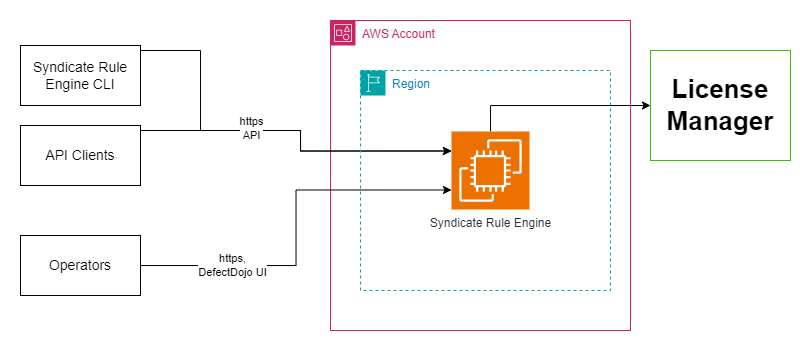
The foundation of any regulated AI agent is immutable logging and real-time position monitoring. You need tools that capture every decision the agent makes, creating a clear paper trail for regulatory review. Look for solutions that integrate directly with your broker’s API to sync trade data instantly.
As an Amazon Associate, we may earn from qualifying purchases.
Risk Management and Kill Switches
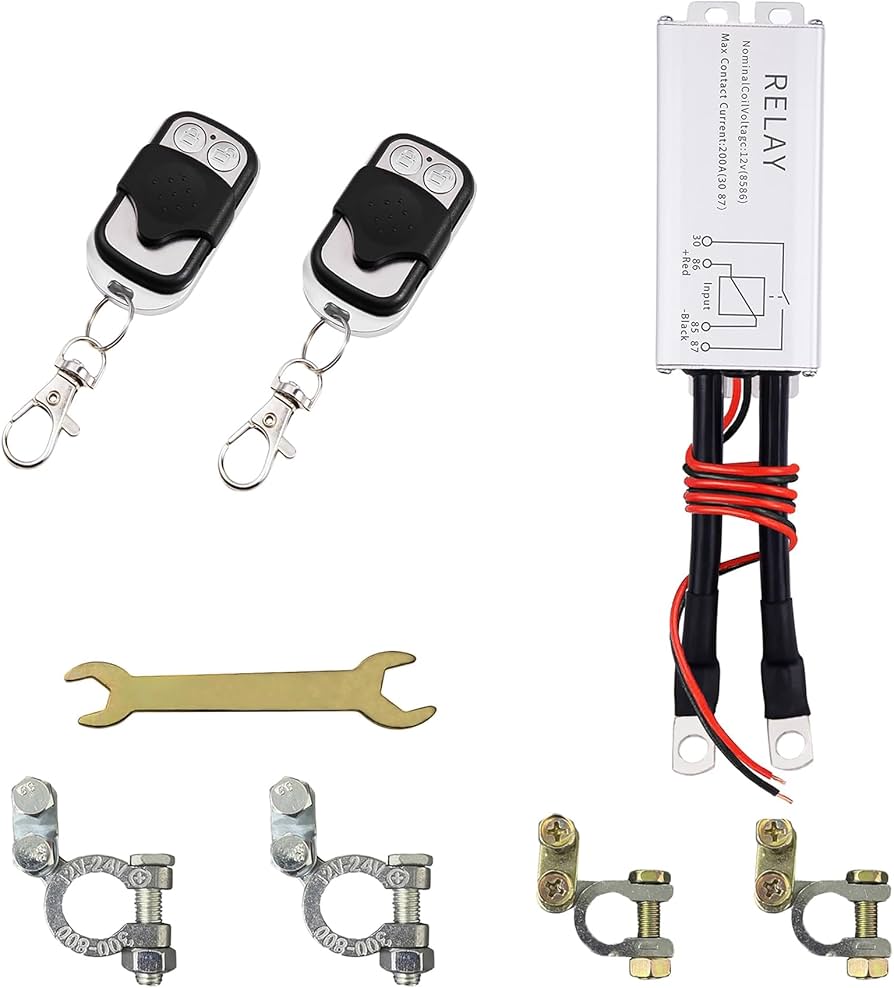
A compliance framework is only as good as its ability to stop a runaway agent. Implementing a hardware or software-based kill switch is non-negotiable for high-frequency or autonomous trading. These tools provide a manual override that cuts all connections instantly if anomalies are detected.

As an Amazon Associate, we may earn from qualifying purchases.
Monitoring and Alerting Tools
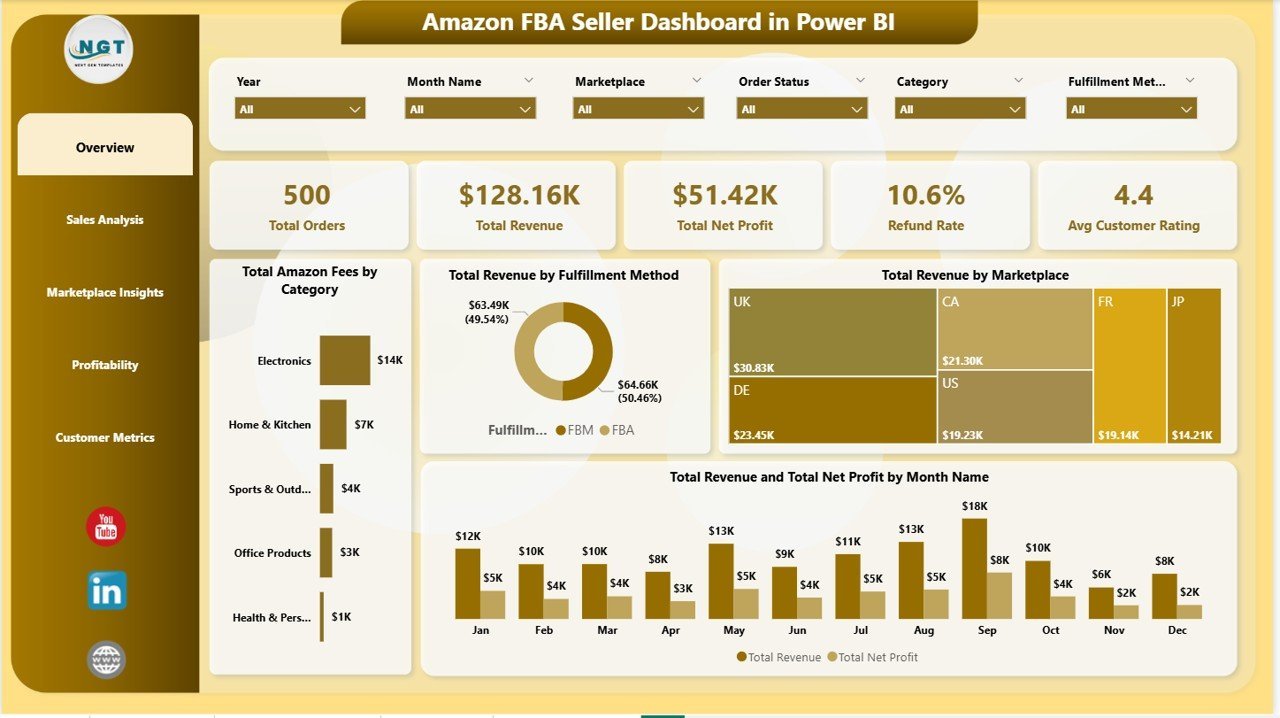
Continuous surveillance ensures that your agent stays within defined risk parameters. Use dashboard tools that visualize exposure across multiple assets and trigger alerts for unusual activity. These tools act as the eyes of your compliance system, allowing human operators to intervene before losses escalate.
As an Amazon Associate, we may earn from qualifying purchases.
Frequently asked questions about AI trading compliance
Can an AI agent legally trade stocks in 2026?
Yes, but the AI itself is not the legal entity. You must build a compliance-first trading system where a human or corporate entity retains ultimate liability. This requires strict audit logs, automated kill switches, and multi-agent oversight to prevent rogue execution.
How are enterprises building agents in 2026?
Adoption has shifted from experimental chatbots to production-grade execution. In 2026, 81% of enterprises plan to tackle complex use cases, with 39% developing agents for multi-step processes and 29% deploying them for cross-functional projects. Coding leads adoption, with nearly 90% of organizations using AI to assist with development.
What are the biggest compliance risks for AI trading agents?
The primary risk is lack of explainability and audit trails. Without immutable logs of every decision and execution, firms cannot prove compliance with SEC or FINRA regulations during an audit. This is why audit logs and kill switches are non-negotiable components of any legal AI trading architecture.
No comments yet. Be the first to share your thoughts!