
The 2026 regulatory landscape for algorithmic trading
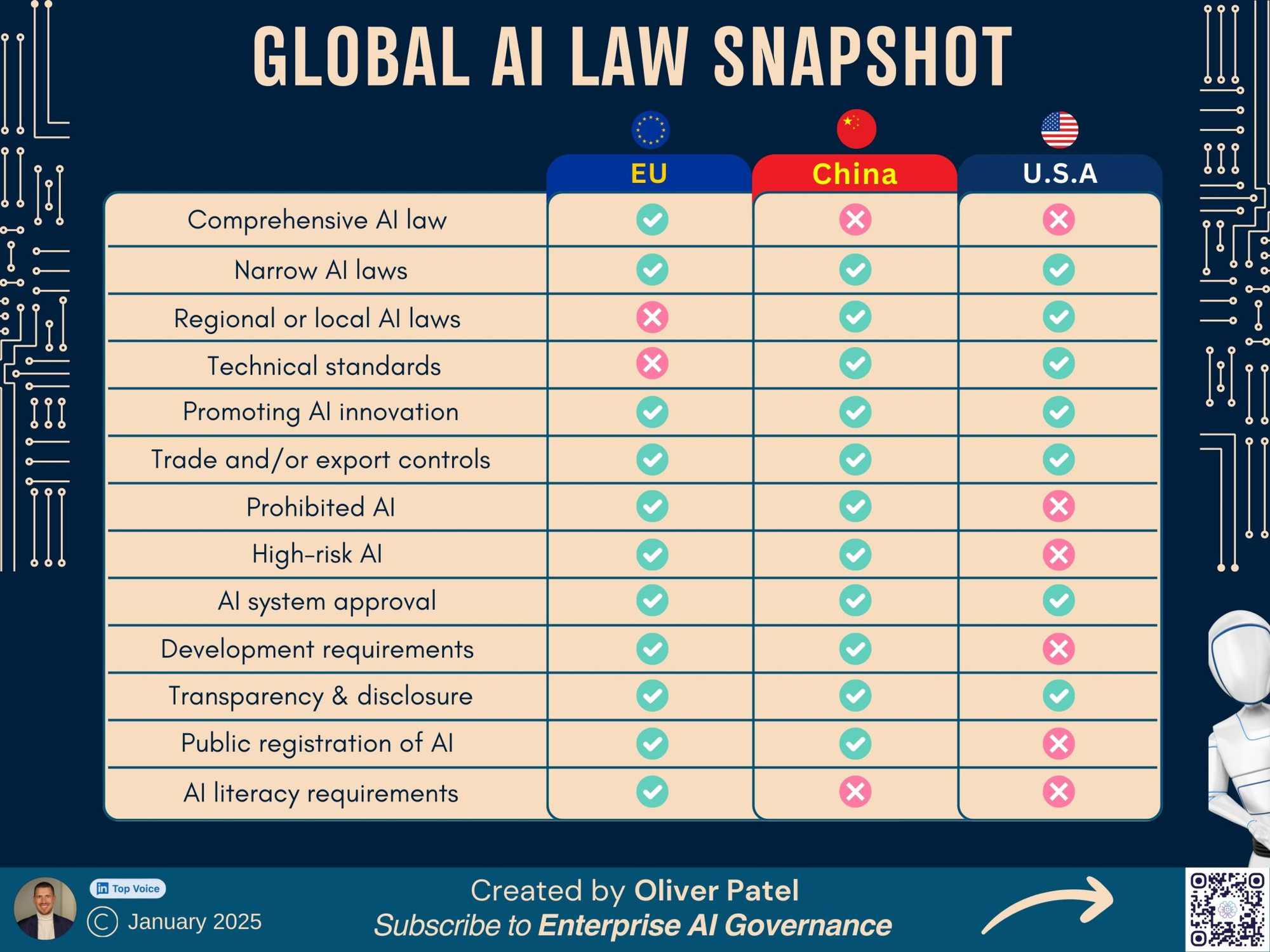
The absence of a single federal AI law does not mean the regulatory environment is empty. In 2026, algorithmic trading faces active enforcement from the SEC and FINRA, alongside a patchwork of state-level statutes. This creates a complex compliance environment where firms must navigate multiple jurisdictions simultaneously.
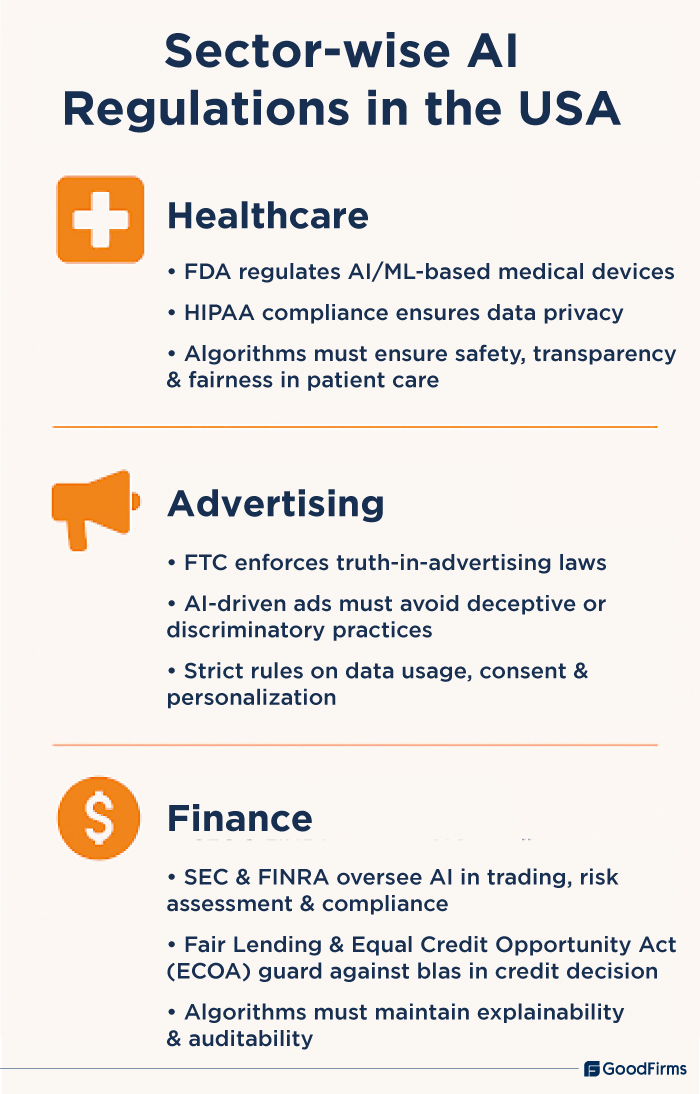
The SEC and FINRA continue to apply existing securities regulations to AI-driven trading strategies. The SEC focuses on market manipulation, fair access, and transparency in algorithmic execution. FINRA oversees broker-dealer compliance with these automated systems. Both agencies have signaled that they will pursue enforcement actions against firms that fail to monitor their AI agents effectively.
State laws add another layer of complexity. Colorado, California, Texas, and Illinois have enacted or are enforcing specific AI regulations. These laws often target consumer protection and data privacy, but they also impact trading platforms that use AI for customer interaction or decision support. Firms operating across state lines must ensure their AI systems comply with each jurisdiction’s specific requirements.
This multi-layered approach means that compliance is no longer just about federal securities laws. It requires a holistic view of all applicable regulations. Firms must implement robust governance frameworks that address both federal enforcement priorities and state-specific legal mandates. Failure to do so can result in significant penalties and reputational damage.
SEC and FINRA rules for autonomous agents
As of 2026, using artificial intelligence to execute trades is legal in the United States, provided the activity occurs through a regulated broker-dealer or registered investment adviser. The Securities and Exchange Commission (SEC) and the Financial Industry Regulatory Authority (FINRA) do not ban algorithmic trading; instead, they enforce existing securities laws that require fairness, transparency, and market integrity.
The core regulatory principle remains best execution. Under SEC Rule 15c1-3 and FINRA Rule 5310, firms must seek the most favorable terms for customer orders. When an AI agent executes trades, the firm is responsible for demonstrating that the algorithm’s routing decisions did not result in worse prices than available elsewhere. This requires robust surveillance systems that can reconstruct the decision-making logic of the algorithm in real time.
Liability for AI-driven errors falls on the regulated entity, not the software developer. If an autonomous agent engages in manipulative practices, such as spoofing or layering, the broker-dealer or adviser is liable for supervisory failures. FINRA expects firms to have written supervisory procedures specifically addressing algorithmic trading risks, including circuit breakers that halt trading if anomalies are detected.
Regulators are increasingly focusing on surveillance capabilities. The SEC’s Division of Trading and Markets has emphasized the need for firms to monitor AI systems for unintended market impacts. This includes tracking how AI agents interact with other market participants and ensuring they do not create artificial volatility. Firms must maintain detailed logs of all algorithmic decisions to satisfy regulatory examinations.
The regulatory landscape continues to evolve, with the SEC and FINRA issuing guidance on the use of machine learning in trading. Firms should consult official SEC and FINRA resources for the latest requirements.
State-level AI governance acts
Federal AI regulation remains fragmented, but state-level statutes are actively shaping compliance requirements for algorithmic systems, including those used in trading. While no comprehensive federal AI law exists, four states—Colorado, California, Texas, and Illinois—have enacted or are enforcing active AI regulations that impose specific duties on developers and deployers of automated systems.
Texas’ Responsible AI Governance Act (TRAIGA) took effect on January 1, 2026. This law introduces mandatory disclosure duties, use-case limitations, and safety measures for high-risk AI systems. For trading algorithms, this means firms must ensure transparency regarding how automated decisions are made and maintain safeguards against biased or erroneous outputs that could impact market integrity.
Colorado’s AI Act similarly imposes safety and disclosure obligations, requiring companies to conduct risk assessments and provide clear notices when consumers interact with AI-driven services. Although primarily focused on consumer protection, the act’s definitions of "high-impact" AI systems can encompass financial decision-making tools, creating a regulatory overlap that trading firms must navigate carefully.
| State | Law Name | Effective Date | Key Relevance to Traders |
|---|---|---|---|
| Texas | Responsible AI Governance Act | Jan 1, 2026 | Disclosure duties, use-case limits, safety measures |
| Colorado | AI Act | 2026 (phased) | Risk assessments, consumer notice for high-impact AI |
| California | AI Safety Act | Pending/Enacted | Consumer protection, algorithmic transparency |
| Illinois | AI Video Interview Act | 2023 (expanding) | Bias audits, notice requirements for automated decisions |
These state laws create a patchwork of compliance obligations. Trading firms operating across multiple jurisdictions must monitor each state’s specific definitions of "high-risk" or "high-impact" AI to determine which systems fall under regulatory scrutiny. The trend suggests increasing pressure for transparency and accountability in algorithmic trading, even in the absence of federal mandates.
State laws evolve rapidly. Firms should consult official state legislative texts and regulatory guidance for the most current requirements. This section provides general information and does not constitute legal advice.
Agent Trader Guard Review and Compliance Features
Agent Trader Guard functions as a specialized compliance layer for autonomous trading agents, addressing the regulatory blind spots identified in recent market analyses. As agentic AI adoption in trading reaches 28% among industry participants, the gap between deployment and governance has become a primary risk vector for firms (Mindful Markets, 2026). This tool aims to bridge that gap by providing real-time guardrails and audit trails required by evolving SEC and FINRA standards.
The platform focuses on three core compliance pillars: pre-trade risk checks, real-time monitoring, and post-trade reporting. Unlike manual compliance methods, which often suffer from latency and human error, Agent Trader Guard automates the verification of trading parameters against jurisdictional limits. This automation is critical for maintaining the integrity of high-frequency or algorithmic trading strategies under the 2026 regulatory framework.
Feature Comparison: Manual vs. Automated Guardrails
The following table compares Agent Trader Guard’s automated capabilities against traditional manual compliance workflows. The shift from manual to automated monitoring significantly reduces the window for regulatory violations, particularly in cross-jurisdictional trading environments.
| Feature | Manual Compliance | Agent Trader Guard |
|---|---|---|
| Pre-Trade Risk Checks | Delayed, batch-based | Real-time, per-order |
| Regulatory Reporting | End-of-day summary | Continuous audit trail |
| Cross-Jurisdiction Limits | Static rule sets | Dynamic, adaptive rules |
| Alert Response Time | Hours to days | Milliseconds |
Guardrails and Reporting Capabilities
Agent Trader Guard’s guardrails are designed to be jurisdiction-aware, allowing firms to apply different regulatory constraints based on the client’s location or the asset class being traded. This flexibility is essential for firms operating across multiple regions with varying compliance requirements, such as the SEC’s Regulation SCI or the EU’s MiFID II.
The reporting module generates detailed logs of all agent actions, including decision rationale and risk assessment outcomes. These logs are structured to meet the documentation standards required by regulatory bodies, reducing the burden of manual record-keeping. By providing a transparent and immutable record of trading activity, Agent Trader Guard helps firms demonstrate compliance during audits and regulatory examinations.
2026 Algorithmic Compliance Checklist
Algorithmic traders must align with the SEC and FINRA’s existing framework for automated systems while adapting to new state-level mandates. The following steps outline the core requirements for operating legally in the current regulatory environment.
SEC and FINRA rules require traders to disclose the basic logic and risk parameters of their automated systems. This ensures that brokers can monitor for market manipulation or erratic behavior. SEC guidance outlines the necessary reporting structures for algorithmic trading activity.
Systems must include pre-trade and post-trade risk checks to prevent erroneous orders or excessive exposure. These controls act as a circuit breaker, stopping trades that exceed defined thresholds. FINRA Rule 15c3-5 mandates these safeguards for broker-dealers interacting with automated systems.
As of January 1, 2026, the Texas Responsible AI Governance Act imposes specific disclosure and safety duties on AI systems used in commercial transactions. Traders operating in Texas must verify their algorithms meet these new state-level transparency standards.

Regular audits ensure that trading models rely on accurate, non-manipulated data and do not drift into unintended behaviors. Maintaining an audit trail of model decisions is essential for demonstrating compliance during regulatory examinations.
This checklist reflects general compliance principles based on SEC, FINRA, and Texas state regulations. It does not constitute legal advice. Traders should consult with legal counsel to address jurisdiction-specific requirements.
Common questions about AI trading laws
Regulatory frameworks are evolving, but current guidance from the Securities and Exchange Commission (SEC) and the Financial Industry Regulatory Authority (FINRA) provides a clear baseline for compliance.
No comments yet. Be the first to share your thoughts!