How we identified unregulated trading brokers in 2026
Finding reliable information on unregulated trading brokers in 2026 requires looking beyond surface-level reviews. Many platforms advertise offshore benefits while hiding significant risks. We focused on concrete data points rather than marketing claims to help you spot the warning signs.
Our selection process prioritized transparency and verifiable regulatory status. We examined licensing details, jurisdictional oversight, and historical compliance records. This approach helps distinguish between legitimate offshore entities and potential scams.
We also analyzed user reports and industry alerts to identify common patterns in fraudulent operations. By focusing on these specific red flags, you can make more informed decisions about where to place your capital.
5 Is Your Broker Safe? 5 Red Flags of Unregulated Agent Trader Scams in 2026
Unregulated agent traders often promise guaranteed returns while hiding behind offshore licenses, putting your capital at direct risk. Before opening an account, verify your broker's registration with official regulators like the CFTC or FCA to avoid common 2026 scam tactics.
-
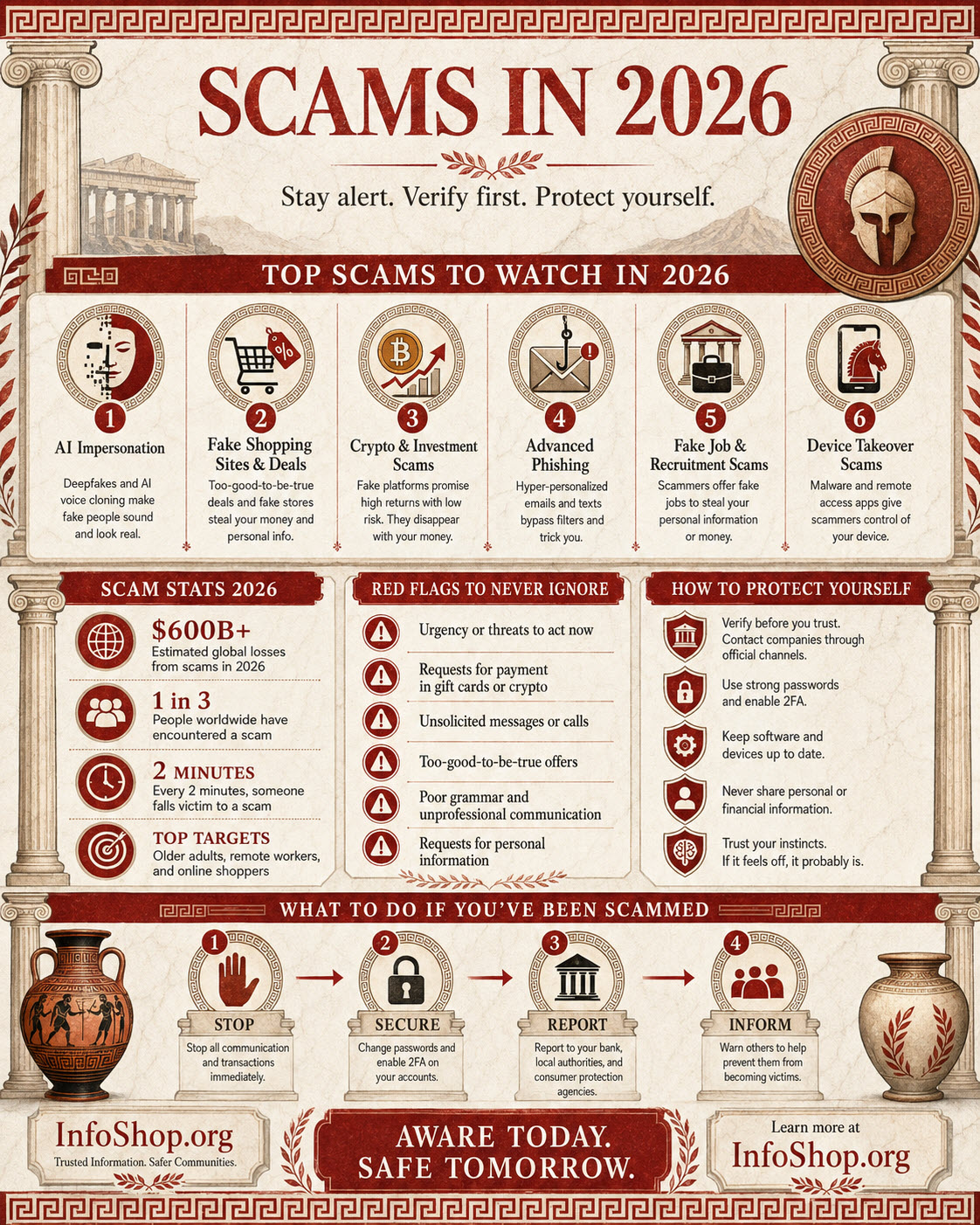
Verify CFTC or FCA registration status
Always cross-reference your broker’s license number directly on the official CFTC or FCA registers before depositing funds. A valid registration number is your primary shield against unregulated entities posing as legitimate financial institutions. If the broker’s website displays a license that cannot be independently verified on the regulator’s public database, treat it as a critical warning sign. This simple check separates compliant firms from fraudulent operators who operate in legal gray areas. -
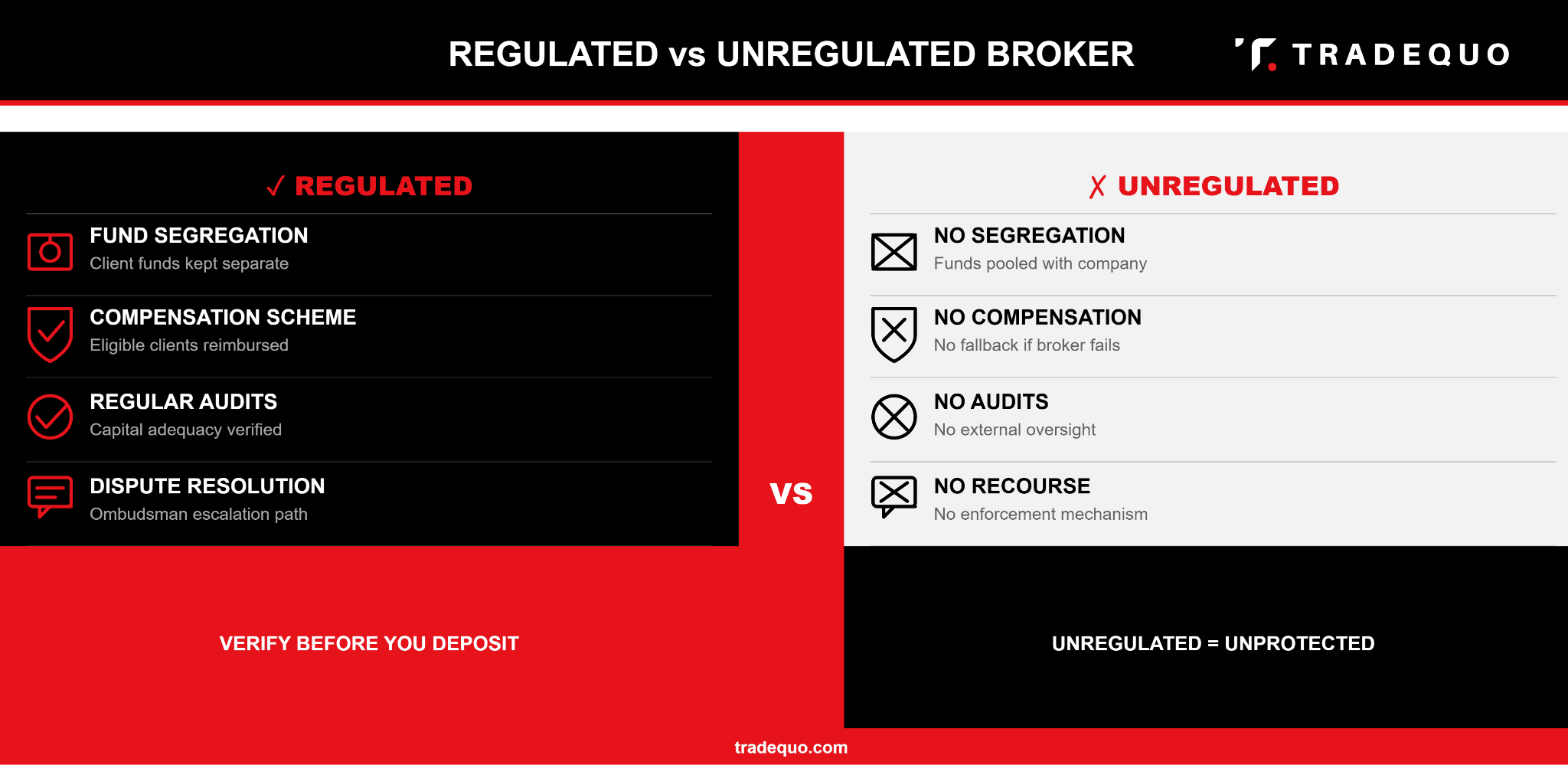
Check for segregated client fund accounts
Legitimate brokers legally separate your trading capital from their operational funds. This segregation ensures that even if the broker faces bankruptcy, your money remains untouched by creditors. Verify this policy in the terms of service or by asking for proof of third-party banking arrangements. Unregulated agents often commingle funds, creating a high-risk environment where your deposits are effectively treated as corporate revenue rather than client assets held in trust. -
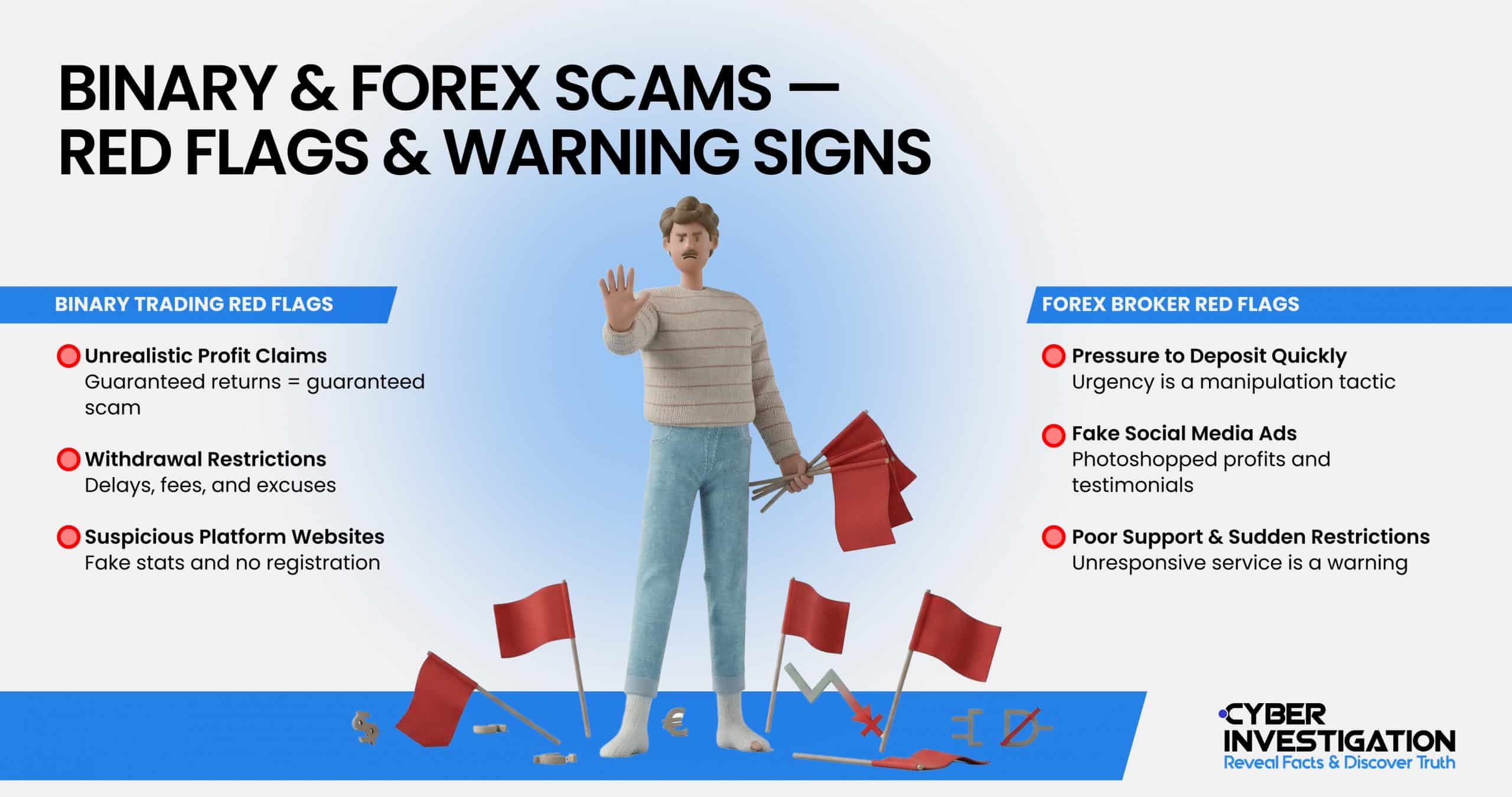
Identify unrealistic guaranteed profit claims
No financial market offers guaranteed returns, yet scammers frequently promise fixed daily percentages to lure inexperienced traders. If an agent claims you can consistently earn 5-10% monthly with zero risk, they are fabricating outcomes to bypass regulatory truth-in-advertising laws. Real trading involves volatility and loss; promising safety from market fluctuations is a hallmark of Ponzi schemes. Reject any offer that removes the inherent risk from forex or crypto trading. -
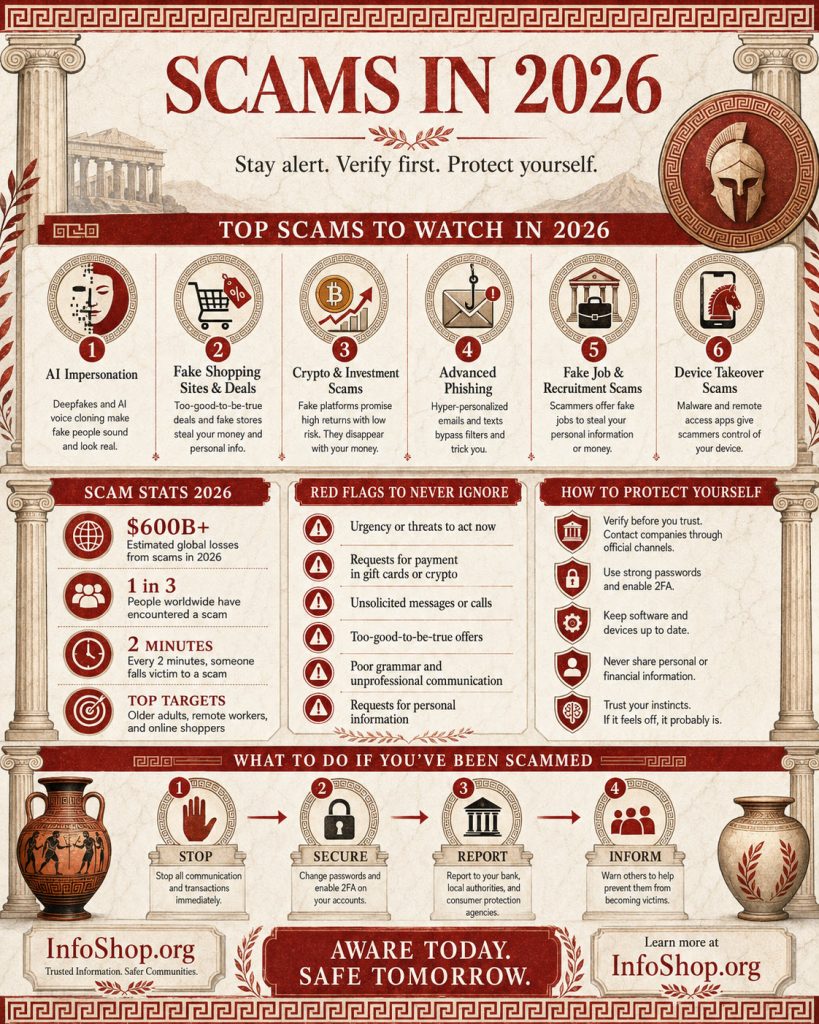
Spot pressure tactics for rapid deposits
Scammers use urgency to bypass your critical thinking. If an agent insists you must deposit within hours to secure a "limited-time bonus" or "exclusive opportunity," they are manipulating your psychology. Legitimate brokers provide ample time for due diligence and account verification. This high-pressure environment is designed to prevent you from researching the company or consulting independent financial advisors, ensuring you commit funds before red flags become obvious. -

Review withdrawal fee and delay patterns
The true test of a broker’s integrity is how easily you can retrieve your profits. Unregulated entities often impose hidden fees, excessive documentation requirements, or indefinite delays when you attempt to withdraw. While regulated brokers process withdrawals within standard timeframes, scammers may freeze accounts citing "security checks" indefinitely. Monitor your first withdrawal closely; consistent obstacles or unexplained deductions indicate a fraudulent operation designed to retain your capital.
Pick the right fit
Choosing a broker is less about finding the lowest spread and more about verifying who holds your money. After spotting the red flags, you need a clear framework to separate regulated entities from risky operators. This decision process relies on three concrete checks: regulatory status, account structure, and withdrawal history.
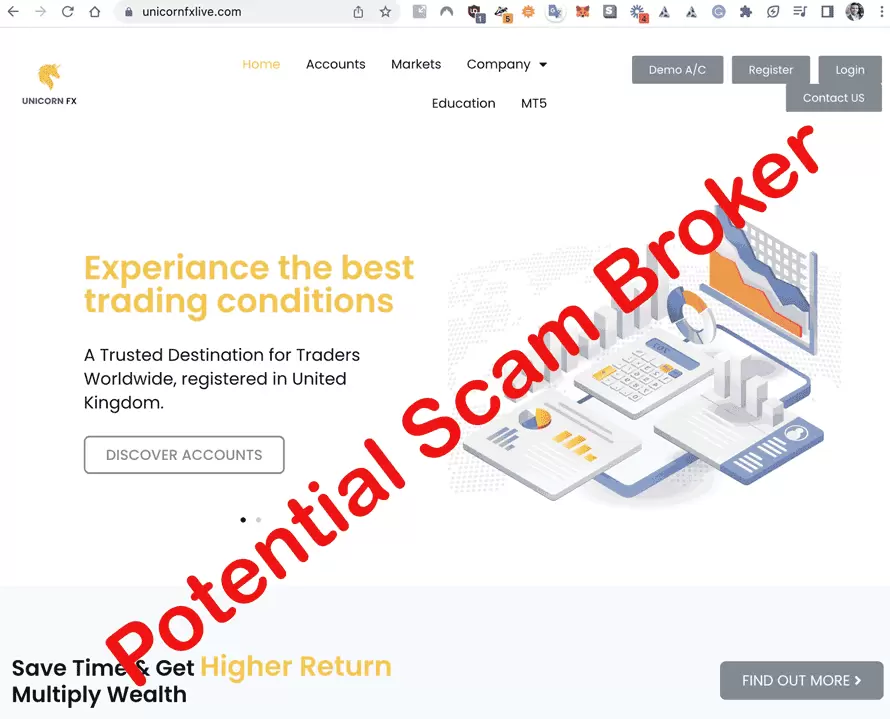
Don’t trust a license number printed on a website. Go directly to the regulator’s official database—such as the NFA for US brokers or the FCA for UK entities—and search for the firm’s name. Ensure the license is "active" and covers the specific asset class you intend to trade. If the regulator’s site shows no record, the broker is operating without oversight.
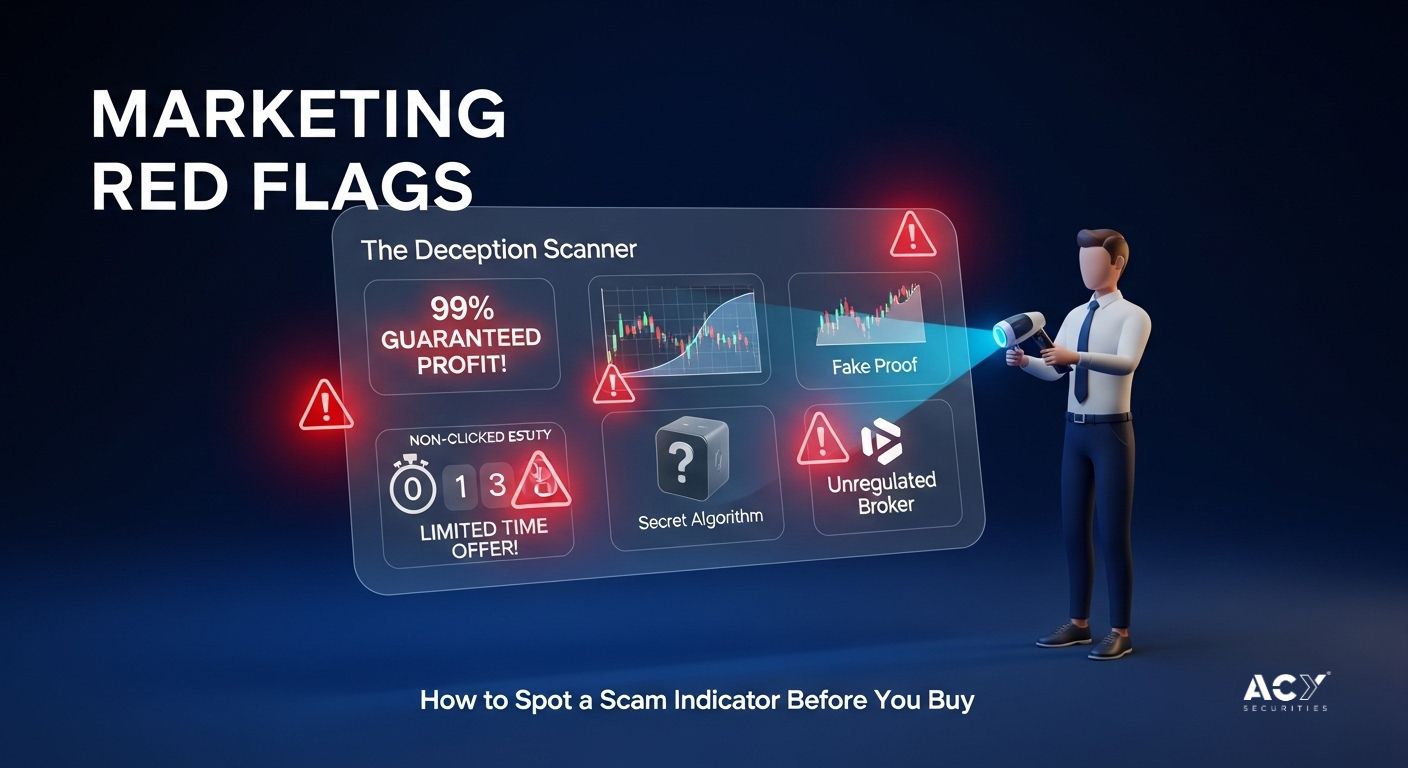
Legitimate brokers keep client money in separate bank accounts from their operating expenses. This segregation protects your capital if the firm goes bankrupt. Look for clear statements on their website about where client funds are held and which banks are used. If they commingle funds or use opaque offshore accounts, your money is at direct risk.
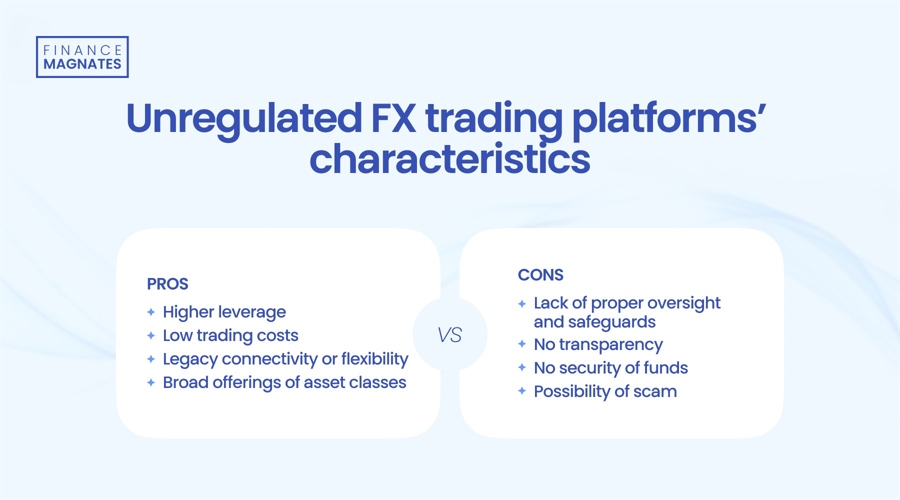
Before depositing a large sum, make a small deposit and request a withdrawal. Regulated brokers process these requests within a few business days. Unregulated or scam brokers often delay withdrawals indefinitely, demand excessive fees, or ask you to pay "taxes" before releasing funds. If you can’t get your own money out quickly, do not trade with them.
Once you have verified these basics, you can compare specific platforms. Use the table below to see how top-rated brokers stack up against common red flags.
| Broker Type | Regulatory Status | Fund Segregation |
|---|---|---|
| Tier-1 Regulated | Verified (NFA/FCA/ASIC) | Yes |
| Offshore Shell | Unverified or None | No |
| Social Trading | Varies (Check Parent) | Usually Yes |



As an Amazon Associate, we may earn from qualifying purchases.
No comments yet. Be the first to share your thoughts!