
Recognize the cloned voice threat
AI voice cloning scams are no longer theoretical threats or clumsy impersonations. In 2026, cybercriminals use artificial intelligence to replicate a person’s voice with terrifying accuracy, often using just seconds of audio scraped from social media or public videos. The result is a new breed of scam that bypasses your natural skepticism because the voice on the other end sounds exactly like a loved one or a trusted colleague.
The financial and emotional toll is immediate. The Federal Trade Commission (FTC) has reported a sharp rise in cases where victims, believing they are speaking to their children or bosses, transfer money or provide sensitive credentials. The Federal Communications Commission (FCC) warns that these scams are evolving faster than consumer awareness, making traditional "trust your gut" advice insufficient.
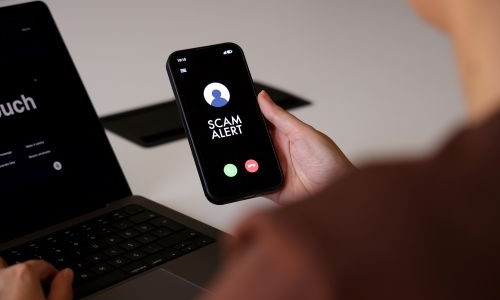
Because the audio is so convincing, you cannot rely on hearing alone. You must treat unexpected voice requests for money or information as potentially fraudulent until verified through a secondary channel. If you receive a call that feels urgent or unusual, hang up and call the person back on a known number, or reach out via text or email. This simple verification step breaks the scammer’s momentum and protects you from losing money or privacy.
Verify identity with a safe phrase
AI voice cloning has moved from sci-fi concept to urgent financial threat. Scammers can now replicate a loved one’s voice with terrifying accuracy, often during high-pressure situations designed to bypass your critical thinking. The Federal Trade Commission (FTC) warns that these cloned voices make requests for money or sensitive information significantly more believable than traditional fraud attempts. When a caller sounds like your child or spouse, the emotional risk is immediate and the financial consequences can be devastating.
The single most effective defense against this technology is a pre-agreed safe phrase. This is a unique word or short sentence that only you and your trusted contacts know. It acts as a cryptographic handshake for human conversation. If a caller cannot provide the correct phrase, you must assume the identity is compromised. This method does not rely on technical software; it relies on a shared secret that AI cannot access.
Consumer Reports highlights that experts recommend families establish these code words specifically for situations involving urgent requests for help. By setting this up before a crisis occurs, you remove the hesitation that scammers exploit. You do not need to be tech-savvy to use this defense; you only need to be disciplined about enforcing it.
Create a unique code word
Choose a phrase that is memorable to you but nonsensical to an outsider. Avoid common words like "family," "password," or pet names, as these can be scraped from social media profiles. A random combination of words or a specific inside joke works best. The goal is to create a barrier that requires specific, private knowledge to cross.
Share it privately with your inner circle
Distribute the safe phrase to your immediate family and close friends through a secure, offline channel. Do not send it via text message or email, as those platforms can be intercepted or spoofed. A phone call, a written note, or a face-to-face conversation ensures that only the intended recipients know the code. Make sure everyone understands that this phrase is only for verification during urgent calls.
Request the phrase during any urgent call
If a caller claims to be in trouble and asks for money, gift cards, or personal information, pause the conversation. Politely ask for the safe phrase. If the caller hesitates, stammers, or provides the wrong answer, end the call immediately. Do not engage in further debate. Scammers using voice cloning will not know the phrase, and their inability to produce it is the only proof you need to stop the transaction.
Use secondary channels for confirmation
When a call triggers alarm bells, your immediate instinct might be to act quickly to help a loved one or protect your assets. That urgency is exactly what scammers exploit. AI voice cloning technology has advanced to the point where emotional distress and synthetic audio can override your judgment, making you believe you are speaking to a family member in crisis or a bank representative demanding immediate payment.
The Federal Trade Commission and the Federal Communications Commission both warn that these scams are rising in sophistication. Consumer Reports notes that experts recommend establishing "safe phrases" or code words with family members to verify identity in emergencies. However, relying solely on vocal cues during the initial call is risky, as AI can mimic tone and even specific phrases if it has access to your social media data.
The only reliable defense is to break the interaction and verify through a different medium. If someone claims to be your child in an emergency, hang up. If a bank calls about fraud, end the call and dial the number on the back of your card. If a friend asks for money via a cloned voice, send a text message or start a video call. If they cannot confirm your safe phrase or explain the situation through the new channel, it is a scam.
Do not press any buttons, speak, or provide any personal information. Scammers often use pressure tactics, claiming you must act now to avoid legal trouble or arrest. Silence and disconnection are your first lines of defense. Once the call is dropped, the scammer loses their leverage.

Do not use the number that called you, even if it shows a familiar name or area code. Scammers can spoof caller ID. Instead, find the official phone number for the bank, government agency, or family member in your contacts or on their official website. This ensures you are speaking to the real entity.
If you cannot reach the person by phone, send a text message or initiate a video call. Video is particularly effective because real-time AI voice cloning often struggles to sync perfectly with live video feeds, creating noticeable lags or visual artifacts. This secondary channel confirms the person's identity without exposing you to the initial audio trap.

Establish a "safe phrase" or code word with your family and close contacts that is not publicly available. If someone claims to be in trouble, ask them for this phrase. If they cannot provide it, or if they seem confused by the question, it is highly likely you are speaking to an AI clone. This simple step adds a layer of security that voice synthesis cannot easily replicate.
Deploy call screening and blocking tools
AI voice cloning has made phone scams nearly undetectable to the human ear, turning your device into the first line of defense. When financial risk and emotional distress are on the line, manual verification is often too slow. You need automated layers that intercept spoofed calls before they reach you.
Use carrier-level spam protection
Major carriers have integrated AI-driven spam detection directly into their networks. These services analyze call patterns and spoofed number databases in real-time. Enable "Scam Shield" on Verizon, "Call Protect" on AT&T, or "T-Mobile Scam Block" on their respective apps. These tools operate at the infrastructure level, blocking known malicious numbers before your phone even rings. This is the most effective baseline defense because it prevents the scam call from consuming your attention.
Install third-party call screening apps
For devices or carriers without robust native protection, dedicated apps provide an additional layer of AI analysis. Apps like Hiya, Truecaller, or Robokiller maintain massive, community-sourced databases of scam numbers and use machine learning to identify new patterns. They can automatically screen calls, asking an AI assistant to answer first and filter out robocalls or potential voice-cloning attempts. While no app is perfect, they significantly reduce the noise and protect you from the majority of automated scams.
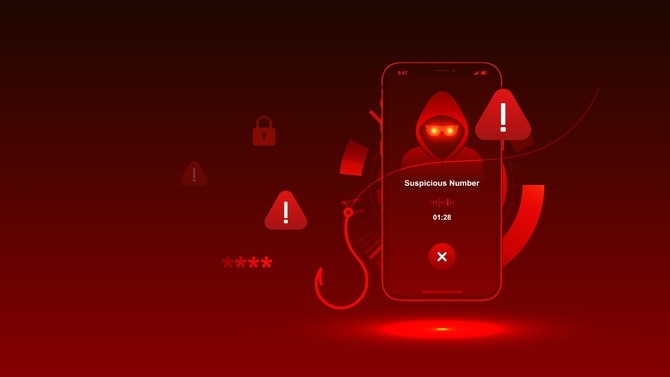
Evaluate hardware call blockers
For landlines or users who prefer physical security, hardware call blockers offer a tangible solution. Devices like the AT&T Call Blocker or generic caller ID blockers sit between your phone and the wall jack, filtering incoming calls based on customizable blocklists. While they cannot detect AI voice synthesis, they are highly effective at stopping the initial spoofed number that often precedes the voice clone scam. This is particularly useful for elderly relatives or those on traditional landline services who lack smartphone capabilities.

As an Amazon Associate, we may earn from qualifying purchases.
Verify with a pre-agreed safe phrase
Technical tools are your first shield, but a human verification step is your final barrier. Establish a "safe phrase" with your family that no one would know except you. If you receive a call from a loved one claiming they are in trouble, ask them to recite the phrase. AI voice clones, no matter how advanced, cannot access this private information. If they cannot provide it, end the call immediately and contact them through a different channel.
Understand FCC telemarketing rules 2026
The regulatory landscape for voice cloning has shifted dramatically in 2026. The Federal Communications Commission (FCC) now enforces stricter rules requiring telecommunications providers to implement robust authentication protocols like STIR/SHAKEN. These measures are designed to verify caller ID information at the network level, making it significantly harder for scammers to spoof legitimate numbers.
While these technical safeguards are a major step forward, they are not a perfect shield. Scammers continue to exploit gaps in international routing and newer AI techniques that can bypass basic verification. The FTC remains active in prosecuting these crimes, but enforcement often lags behind the technology. You cannot rely solely on the network to protect you.
You must treat every unsolicited request for money or sensitive data as suspect, regardless of the displayed caller ID. If a family member or colleague calls asking for urgent help, hang up and call them back on a known, trusted number. Never share verification codes or make payments based on a single phone call. This simple verification step is your most effective defense against AI-generated audio fraud.
Frequently asked questions about voice cloning
These questions address the most common concerns regarding AI voice scams, based on guidance from the FTC, FCC, and Consumer Reports.
No comments yet. Be the first to share your thoughts!