Recognize the new face of wire fraud
Wire fraud is no longer about guessing passwords; it is about mimicking people. AI-driven identity theft allows scammers to clone the voice and likeness of real estate agents, title officers, and closers with startling accuracy. These deepfakes are not clumsy fakes from early internet videos. They are high-fidelity audio and video generated in real time to bypass traditional trust.
The threat is specific and financial. Fraudsters target the wire transfer moment, the point where large sums move from buyer to escrow. According to the National Association of Realtors, scammers use these synthetic voices to impersonate agents, lawyers, or title agents, directing victims to send money to fraudulent accounts. The Federal Bureau of Investigation has repeatedly warned that this type of fraud is rising as the technology becomes cheaper and more accessible.
The urgency lies in the speed of the transaction. Once the wire is sent, the money is often gone within minutes. Verification protocols must evolve from simple identity checks to active, multi-channel confirmation. Relying on a single email or a voice message from a known number is no longer safe.
Verify identity through live video
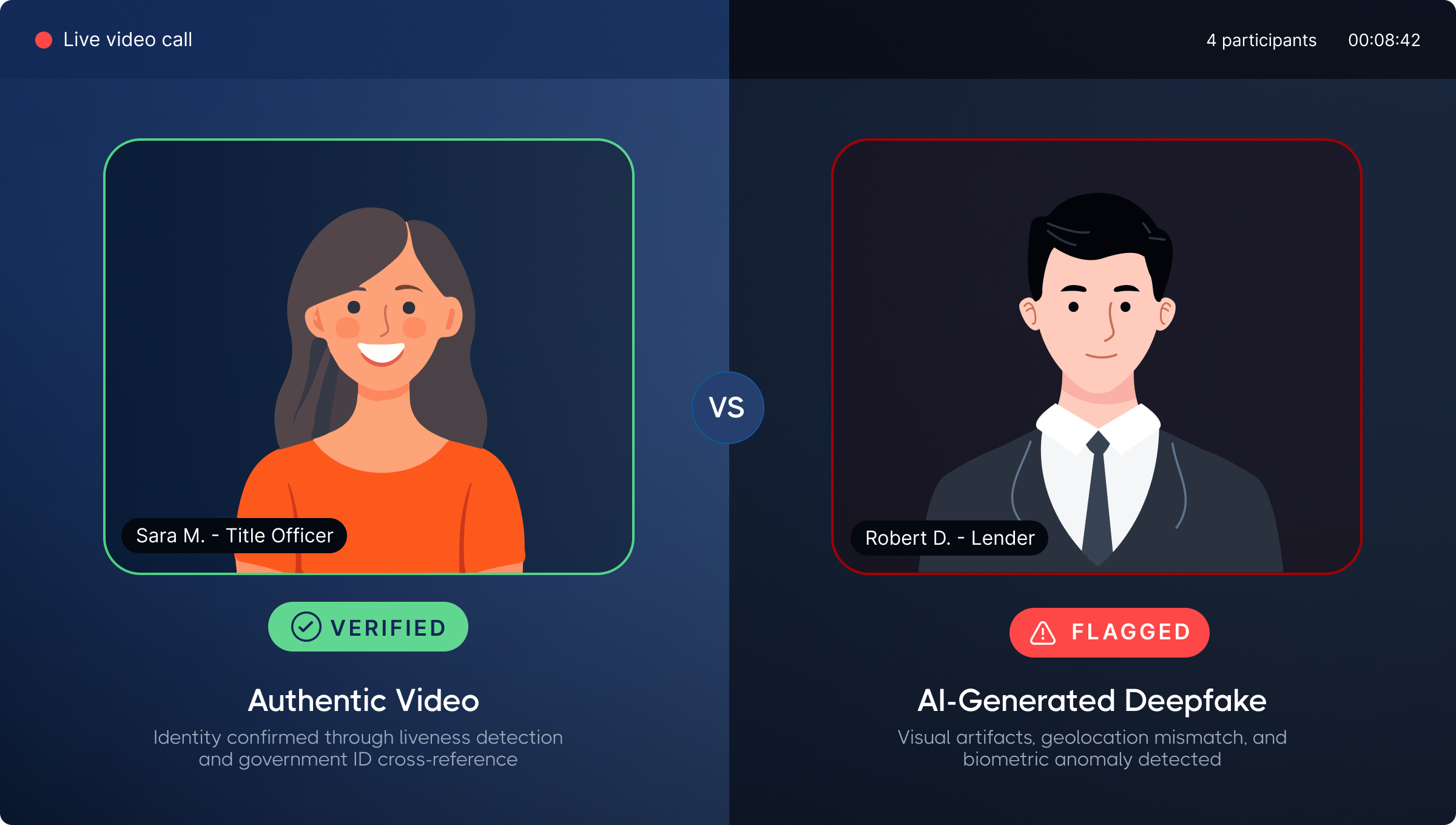
Pre-recorded videos and edited audio clips are the foundation of deepfake scams. To confirm you are speaking with the actual agent, you must initiate a live, interactive video call. This step forces the scammer to perform real-time actions, which current AI tools cannot reliably synthesize without visible glitches.
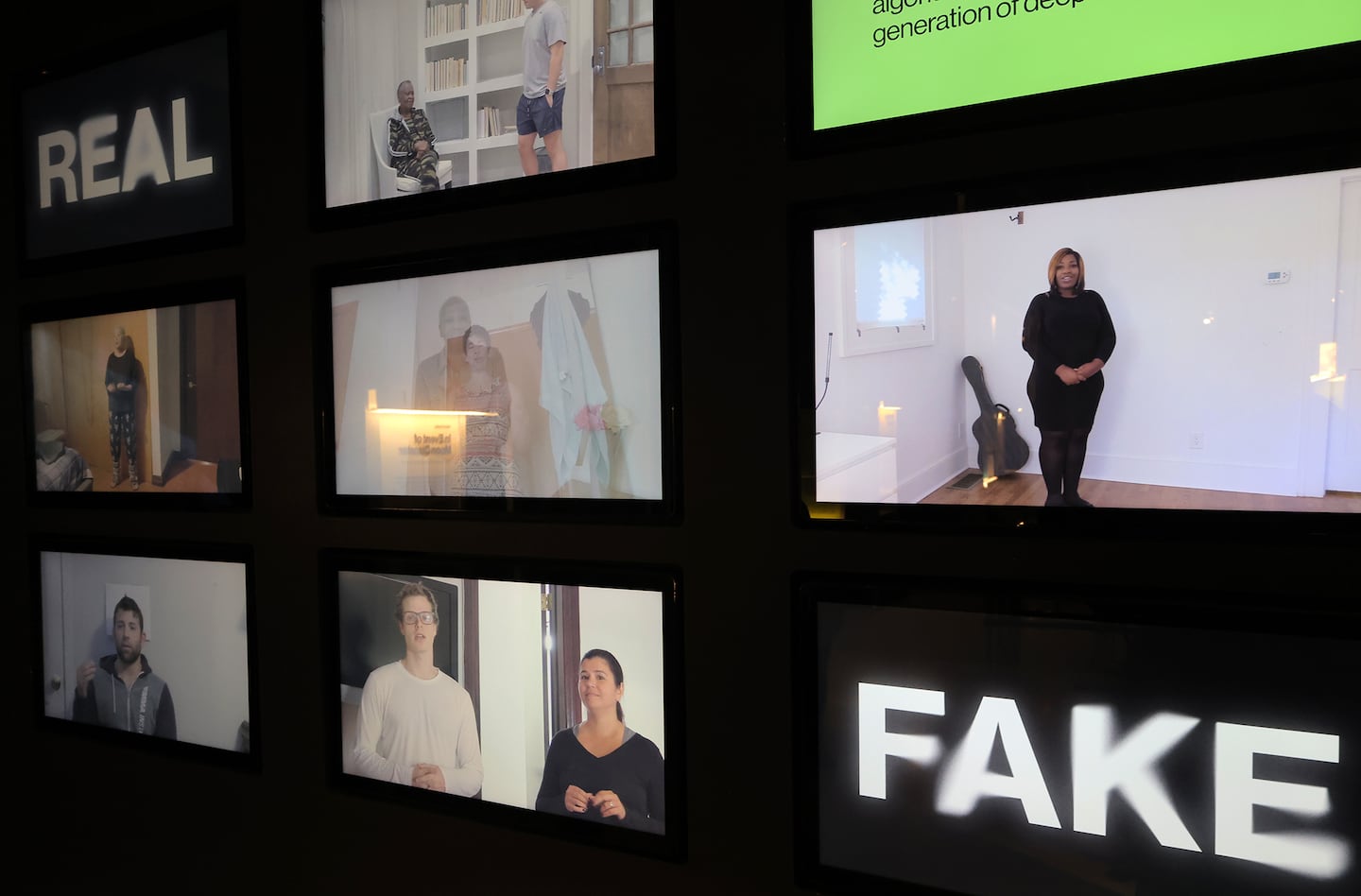
Do not accept pre-recorded clips. If the agent claims they cannot meet in person, insist on a live video call via a standard platform like Zoom or FaceTime. Legitimate agents will understand the security requirement and comply immediately. If they refuse or repeatedly reschedule, treat it as a major red flag.
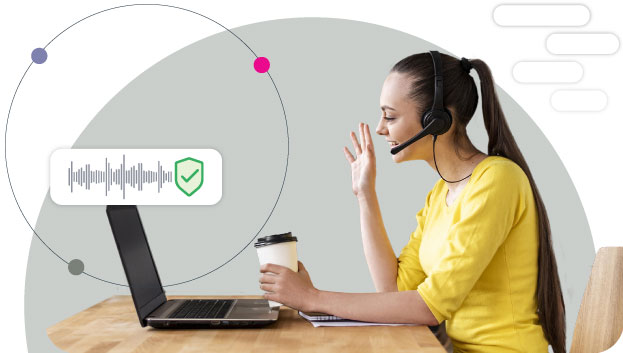
During the call, ask the agent to perform a specific, random action. Ask them to hold up three fingers, wave their left hand, or touch their nose. Deepfake generators often struggle with complex, sudden hand movements or specific finger counts. Watch for "melting" artifacts around the hands or face, which indicate a synthetic overlay.
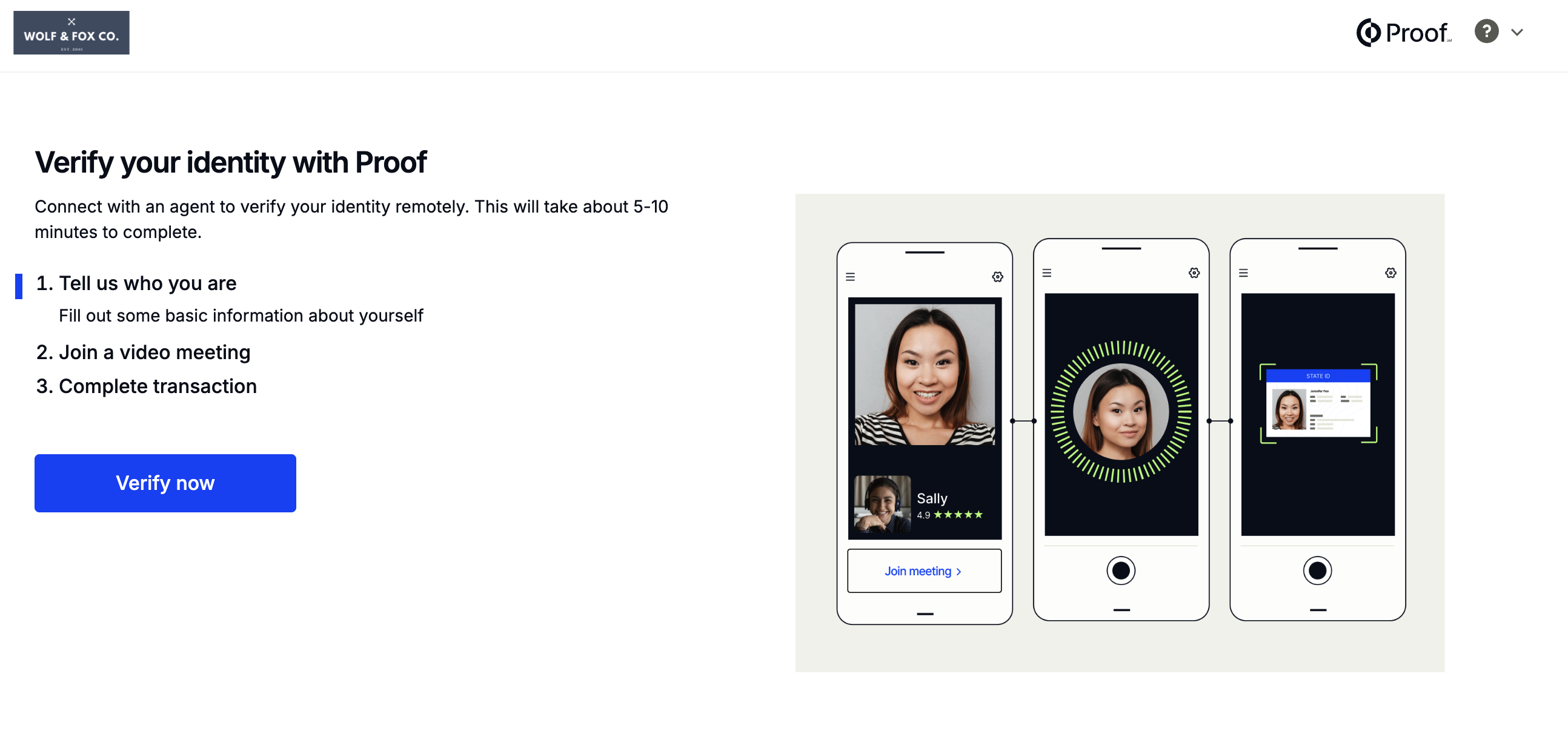
Provide a unique phrase or a random string of numbers and ask the agent to read it verbatim. AI voice synthesis often falters when reading unfamiliar, nonsensical sequences or when trying to match specific lip movements to unexpected audio. Listen for robotic pauses, unnatural intonation, or lip-sync delays that do not match the spoken words.
Observe how light interacts with the agent's face and surroundings. In deepfake videos, lighting often fails to update correctly when the subject moves. Look for inconsistent shadows, flickering edges around the hair or ears, or a "floating head" effect where the face detaches slightly from the neck during movement.
The National Association of Realtors (NAR) advises that any request for wire transfers or sensitive documents should be verified through a second, independent channel. A live video call serves as that secondary verification, ensuring the person on the other end is physically present and not a digital imitation.
If the video quality is poor or the connection drops frequently, do not proceed with any financial transactions. A legitimate professional will prioritize clear communication over speed. If you suspect a deepfake, hang up and contact the brokerage directly using a phone number found on their official website, not the one provided by the "agent."
Confirm contact details independently
Fraudsters often intercept communications or use AI-generated voice clones to mimic your agent or title officer. Relying on the phone number or email address provided in an email or text message is a security risk, as those channels can be spoofed. You must verify the contact information through a separate, trusted source before proceeding with any transaction.
Start by locating the agent’s or broker’s official phone number on their verified brokerage website or a state licensing board directory. Do not use the contact details listed in the email signature or the text message you received. If you have a physical copy of the listing agreement or previous correspondence that includes a printed phone number, use that as your primary reference point. Cross-reference this number with the public record to ensure it matches the licensed professional.
For email verification, check the domain of the sender. Many deepfake or phishing attempts use look-alike domains (e.g., @realestate-group.com vs. @real-estate-group.com). If you are unsure, reply to the original message asking for a phone verification, then hang up and call the independently verified number. This two-step process breaks the chain of trust that fraudsters rely on.

Secure your wire transfer instructions
Wire fraud remains one of the most devastating risks in real estate transactions. Scammers increasingly use AI deepfakes and voice cloning to impersonate agents, title officers, or sellers, convincing buyers to send funds to fraudulent accounts. Because these impersonations can sound and look authentic, relying on written instructions alone is no longer a safe practice. You must treat every wire transfer as a high-stakes operation that requires independent, voice-verified confirmation.
Never trust wire instructions sent via email
Email is easily compromised. If a hacker gains access to a real estate agent’s or title company’s inbox, they can intercept a message containing legitimate-looking wire details and replace the bank account information with their own. The original sender may not notice the change immediately, and the buyer, seeing a familiar email address, may proceed without question. This is the primary vector for AI-driven fraud in real estate today. First American Title Insurance Company notes that AI-powered fraud is growing rapidly, with scammers leveraging these digital impersonations to target closing funds.
Verify bank details via a verified phone call
The only reliable way to confirm wire instructions is through a direct, voice conversation with a known contact. Before sending any money, call the title company or your agent using a phone number you have verified independently—such as one listed on the company’s official website or a previous, unaltered document. Do not use phone numbers provided in the email containing the wire instructions, as those may also be controlled by the fraudster. During the call, read back the full bank routing number, account number, and beneficiary name to ensure they match exactly what you intend to send.
Confirm identity and timing
When speaking with the title officer or agent, ask specific questions that only the real person would know, such as recent details about the property or specific closing logistics. This adds a layer of verification beyond just the bank details. Additionally, confirm the exact timing of the transfer. Fraudsters often rush victims to send money quickly before the legitimate party can notice the discrepancy. If anyone pressures you to wire funds immediately without completing this verification step, pause the transaction and report it to your title company’s fraud department immediately.
Critical Rule: Never send a wire transfer based on email instructions alone. Always verify bank account changes via a verified phone call to the title company.
Update your records proactively
Ensure your contact information is up to date with your real estate team so they can reach you directly if they suspect any compromise. Many title companies now use encrypted portals for sharing wire instructions, which are significantly more secure than standard email. If your title company offers this feature, use it exclusively for financial data. If they do not, insist on the phone verification protocol for every transaction. This simple step breaks the chain of fraud that AI deepfakes rely on.
What to do if you suspect fraud
If you realize you have sent money to the wrong account, act immediately. Contact your bank’s fraud department to attempt a recall of the funds. Simultaneously, notify your real estate agent, title company, and local law enforcement. The FBI’s Internet Crime Complaint Center (IC3) is the primary agency for reporting these crimes. Speed is essential; the sooner you report it, the higher the chance of recovering the funds.
Verify the license through official state databases
A deepfake can mimic a face and voice, but it cannot fabricate a valid license number in a state commission database. This is the single most reliable way to confirm an agent’s identity before sharing personal data or wiring money.
Start by visiting your state’s real estate commission website. Look for a public lookup tool, often labeled "License Search" or "Agent Verification." Enter the agent’s full name or license number if you have it. The result should show the license status as active, along with the expiration date and any disciplinary history.
Cross-check the details. Scammers often use the names of legitimate agents but provide fake contact information. If the database shows the agent is inactive, suspended, or has a history of complaints, do not proceed. This bureaucratic verification adds a layer of security that AI cannot bypass.
Final pre-closing checklist
Before you sign documents or release funds, run through this verification ritual. Deepfake scams rely on urgency and authority, so slowing down to confirm identities is your best defense.

- Live video confirmation: Require a real-time video call. Pre-recorded clips or AI-generated audio can be faked, but live interaction reveals inconsistencies in speech and movement.
- Independent contact: Call the agent’s office using a phone number from their official website or license record, not the contact info provided in the email chain.
- License verification: Check the agent’s license status through your state’s real estate commission website to ensure they are active and in good standing.
- Wire instructions confirmation: Never rely on email for wiring details. Verify new or changed wire instructions by calling your title company or attorney directly using a verified phone number.
-
Live video call with agent
-
Call office phone from official directory
-
Verify license on state commission site
-
Confirm wire details by phone
Common questions about AI fraud
Scammers are using deepfake technology to impersonate buyers, sellers, and agents, making verification critical before sending any funds or signing documents. The National Association of Realtors warns that these synthetic media attacks can mimic voice and video with alarming accuracy, targeting title agents and real estate lawyers specifically.
Is it illegal for realtors to use AI?
Using AI is not illegal, but the output must be truthful. In California, all real estate advertising must be accurate and not misleading, whether generated by a human alone or with AI assistance. Agents must disclose if AI was used to create marketing materials or valuations to avoid fraud claims.
What is the 3 finger test for AI?
The "3 finger test" is a quick visual check for video deepfakes. Hold up three fingers in front of the camera; if the AI struggles to render the fingers correctly, or if they blend into the background or face, the video is likely synthetic. This works because many AI video generators have difficulty with complex hand movements and occlusion.
Are real estate agents doomed by AI?
No, but the role is shifting from information broker to trusted advisor. AI can handle data crunching and initial marketing, but it cannot replace the fiduciary duty, negotiation skills, and local market expertise that agents provide. The agents who thrive will be those who use AI as a tool while maintaining strict verification protocols.
No comments yet. Be the first to share your thoughts!