Why 2026 marks a turning point for property scams
Real estate fraud losses hit $275 million in 2025, a sharp increase that signals a structural shift in how criminals target property deals. This surge is not merely a spike in volume but a change in the nature of the threat, moving from simple wire fraud to sophisticated, AI-enhanced impersonation.
The transition from traditional email-based wire fraud to AI-driven scams marks a critical turning point. In 2026, criminals are leveraging stolen credentials and deepfake technology to bypass traditional verification methods. This convergence of cybercrime and financial fraud creates added complexity for financial institutions and real estate professionals, blurring the line between technology risk and financial crime.
Scams tied to property deals are rising at an alarming pace. The ease with which attackers can now mimic voices and identities means that the "dirty deed" is no longer just a forged document—it is a digitally constructed reality designed to exploit trust in seconds.
How the dirty deed scam works
The dirty deed scam is a property theft scheme where criminals forge legal documents to transfer ownership of a home without the owner’s knowledge. Instead of breaking into a house, thieves break into public records. They target elderly or vulnerable homeowners who own their property outright, often free of debt, because the equity is liquid and immediate.
The process begins with the theft of personal information. Scammers gather enough data—names, Social Security numbers, and property details—to impersonate the homeowner. They then create forged deeds, sometimes using sophisticated forgeries that look authentic to untrained eyes. In some cases, they exploit lax recording standards in certain counties, submitting these documents to the county recorder’s office before the true owner realizes anything is wrong.
Once the forged deed is recorded, the criminals act quickly. They often take out a second mortgage or home equity line of credit using the stolen property as collateral. The money is wired out immediately, leaving the victim with a home they no longer legally own and a massive debt they never agreed to. By the time the fraud is discovered, the money is usually gone, and the legal battle to reclaim the home is complex and costly.
This type of fraud is exploding in 2026, with law enforcement agencies reporting a significant rise in cases. A recent investigation in Los Angeles led to the arrest of nine individuals involved in a sophisticated house-stealing ring, highlighting the organized nature of these crimes. The FBI and local authorities warn that these scams are becoming more technical, sometimes incorporating digital identity theft to facilitate the forgery process.
The financial impact extends beyond the individual victim. When a property’s title is clouded by fraud, it disrupts local real estate markets and increases insurance costs for everyone. Protecting your property requires proactive steps, such as placing a title freeze or monitoring your property records regularly, to catch these attempts before they become irreversible.
How AI deepfakes impersonate agents
AI voice cloning and video deepfakes have turned identity verification into a game of digital trust. Bad actors no longer need to steal a title agent’s credentials; they only need a few seconds of audio or a public video to replicate their likeness. In 2026, this technology allows criminals to bypass the final checks before a wire transfer, making phone-based verification unreliable. As noted by industry observers, the line between technology risk and financial crime is blurring, with criminals using these tools to take over accounts and move money through real-time payment systems [[src-serp-6]].
The process begins with data harvesting. Criminals scrape social media, YouTube interviews, and professional profiles to gather hours of clear audio and video. Using generative AI, they create a synthetic voice that mimics the agent’s tone, pacing, and accent. When a buyer calls to confirm wire instructions, the agent’s voice—now a deepfake—confirms the fraudulent account details. The buyer hears a trusted professional, but they are speaking to a computer program.
Video deepfakes take this further. In face-to-face or virtual closing scenarios, criminals can replace the agent’s face with a synthetic one in real-time. The buyer sees a familiar face, hears a familiar voice, and signs documents, unaware that the person on the screen is not the agent at all. This level of impersonation makes it nearly impossible to spot fraud through visual or auditory cues alone.
The financial impact is severe. Victims often lose tens or hundreds of thousands of dollars in a single transaction. Because wire transfers are difficult to reverse, recovery is rare. The key defense is not technology, but procedure. Title companies and real estate agents must implement multi-factor verification protocols that do not rely on a single point of contact. Buyers must be educated that a voice or video call is no longer proof of identity.

Verify your agent and title company identity
Before signing any documents or wiring funds, you must confirm the human behind the email address. In 2026, criminals use stolen credentials and AI deepfakes to impersonate agents, making traditional email verification obsolete. The Department of Homeland Security’s four P’s of fraud—Pretend, Problem, Pressure, Pay—describe how these scams unfold: the fraudster pretends to be your agent, creates an urgent problem (like a closing delay), applies pressure to act fast, and demands payment via wire transfer.
Start by calling your agent using a phone number you independently verify, not one provided in the email signature. Ask to speak with them directly to confirm their identity and the transaction details. This simple step breaks the chain of social engineering before it begins.
Next, verify the title company’s identity through official state registries. Most states maintain online databases where you can confirm a title agent’s license status and disciplinary history. Do not rely on the contact information provided in the closing documents alone, as these can be easily forged.
Finally, establish a secure, out-of-band communication channel for all financial instructions. Use encrypted messaging apps or in-person meetings for sensitive discussions. Never confirm wire transfer details via email or text message, as these channels are easily compromised.
| Verification Method | Traditional (Email/Phone) | AI-Proof (2026 Standard) |
|---|---|---|
| Identity Confirmation | Email signature verification | Independent phone call to verified number |
| Title Company | Trust provided documents | Check state license registry online |
| Payment Instructions | Email confirmation | In-person or encrypted app confirmation |
Tools to protect your property transaction
Fraudsters are moving fast, but verification technology is keeping pace. The most effective defense against the dirty deed scam and AI deepfakes is not a single product, but a layered stack of automated checks. These tools verify identities, detect document tampering, and flag suspicious wire instructions before money moves.
Agent and Identity Verification
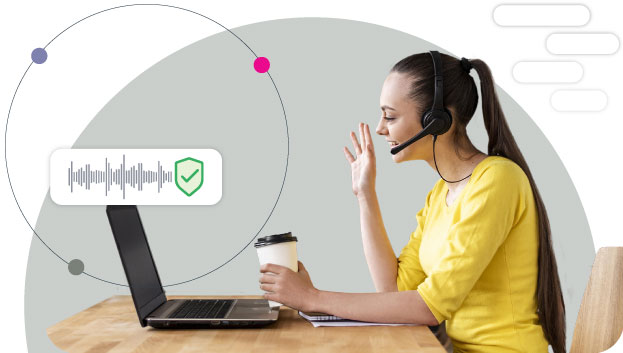
The first line of defense is confirming that the people on the other side of the deal are who they claim to be. AI deepfakes can mimic voice and video, making visual confirmation unreliable. Specialized verification platforms use biometric liveness detection and database cross-referencing to validate the identity of buyers, sellers, and agents.
Always confirm wire instructions through a secondary channel, such as a known phone number, not just email or a video call that could be spoofed.
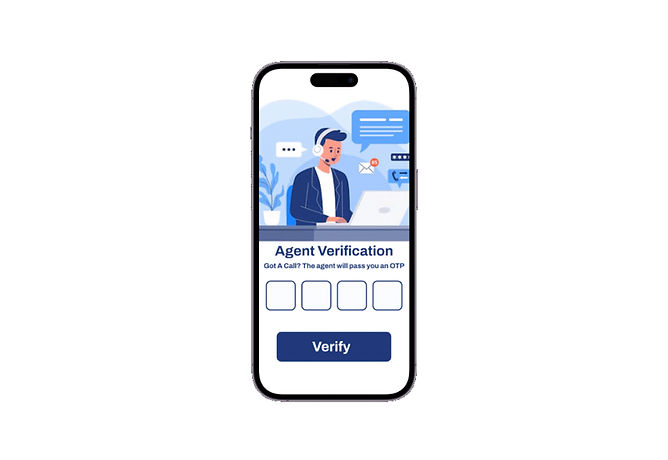
Solutions like Agent Trader Guard concepts focus on verifying the legitimacy of real estate professionals in real-time. These systems check licensing status, past complaints, and digital footprints to ensure your counterparty is authorized and clean.
Document Integrity and Title Checks
Title fraud relies on forged deeds and stolen identities. Modern title insurance providers and escrow services now use AI-driven document analysis to spot inconsistencies in signatures, seals, and metadata. These tools scan public records for anomalies that human reviewers might miss, such as subtle alterations in property legal descriptions.
Reading Guides for Prevention
While technology handles the heavy lifting, understanding the mechanics of fraud helps you spot red flags. These resources provide practical steps for securing your transaction.


As an Amazon Associate, we may earn from qualifying purchases.
2026 fraud forecast
The line between technology risk and financial crime is blurring. In 2026, criminals will continue to use stolen credentials and network access to take over accounts and move money through real-time payment systems. This convergence creates added complexity for financial institutions and real estate professionals alike, turning routine digital interactions into high-stakes targets.
ACAMS notes that this shift ties cybercrime directly to fraud more than ever before. The threat is no longer just about phishing emails; it is about integrated attacks that combine digital infiltration with immediate financial extraction. For the real estate sector, this means wire fraud is no longer an isolated incident but part of a broader, more sophisticated criminal ecosystem.
Preparation requires understanding today's fraud risks. Most real estate professionals know wire fraud exists, but the new landscape demands a deeper vigilance. As criminals adapt their methods, staying ahead of these trends is essential for protecting transactions in the coming year.
No comments yet. Be the first to share your thoughts!