
Get AI Trading Agent Security Right
Before you connect an AI trading agent to any exchange or wallet, you must establish a secure, isolated environment. Connecting an unverified agent directly to your primary funds is the most common entry point for scams. Treat your agent like a separate employee with limited access, not a trusted partner with full control.
1. Use a Dedicated Agentic Account
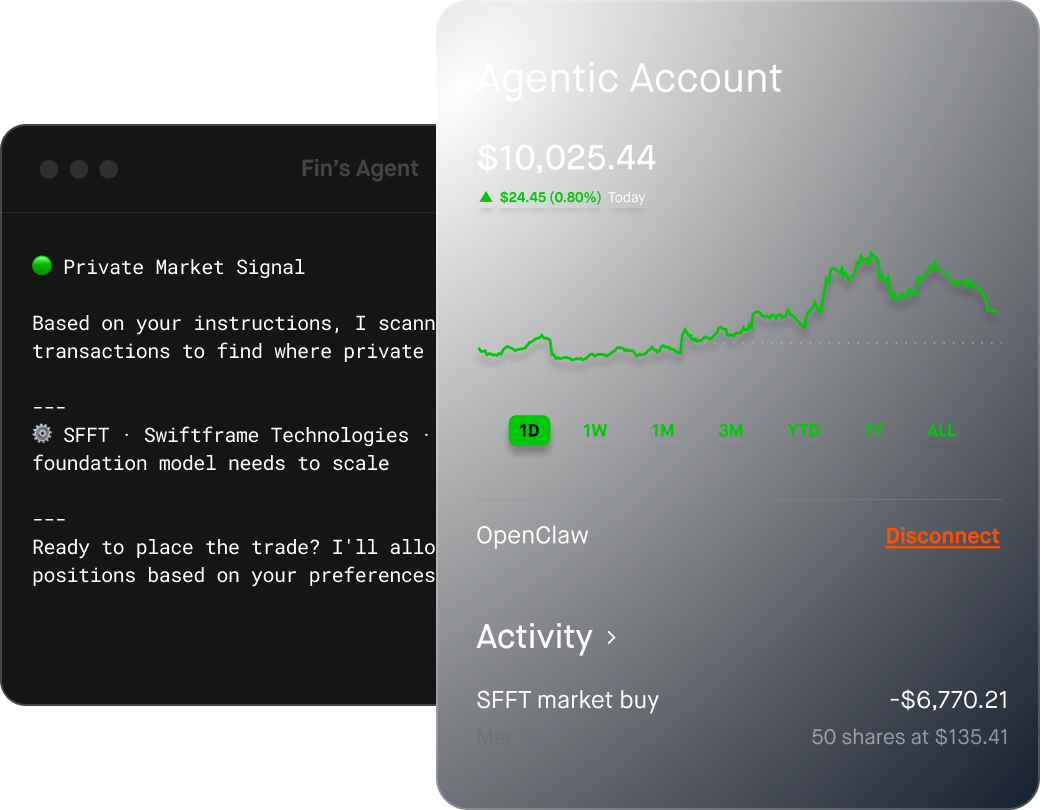
Never link an AI agent to your main brokerage account. Reputable platforms like Robinhood offer dedicated agentic accounts that act as a buffer. This separation ensures that even if the agent’s logic fails or the account is compromised, your core assets remain untouched. You retain full control over every trade the agent executes, rather than granting it blanket authority.
2. Isolate Your Funds
If you are using a decentralized platform or open-source agent, such as those found on GitHub, you must use a dedicated wallet address. Fund this wallet with only the amount you are willing to lose. Do not link your primary cold storage or main exchange wallet to the agent’s API keys. This isolation prevents a single point of failure from draining your entire portfolio.
3. Verify the Source
Check the agent’s code repository or the platform’s official documentation. Look for recent updates, active maintainers, and clear security audits. Avoid agents that require you to download unknown executables or share your private keys. Legitimate tools provide API keys with read-only or trade-only permissions, never full withdrawal access.
4. Start Small and Monitor
Begin with a minimal position to test the agent’s behavior. Monitor its trades for a few days before increasing the allocation. Watch for unexpected transactions, unusual trading frequencies, or connections to unknown smart contracts. If the agent behaves erratically, disconnect it immediately.
Warning: Never grant an AI agent withdrawal permissions. If a tool asks for this, it is likely a scam. Legitimate agents only need to place and cancel orders, not move funds out of your account.
Verify the agent’s code and permissions
Before you connect an AI trading agent to any exchange, you need to verify what it can actually do. Scammers often disguise malicious smart contracts as legitimate trading bots. You can spot the difference by checking the code and the wallet permissions.
Check the source code
If the agent is open-source, review the code on GitHub or a similar repository. Look for functions that allow unlimited withdrawals or contract approvals. A legitimate trading bot should only request permissions for the specific tokens it trades.
Audit smart contract permissions
Use a block explorer to check the agent’s smart contract. Look for approve or setApprovalForAll functions. If the contract asks for unlimited approval of your USDT or ETH, disconnect immediately. Legitimate agents use time-limited or amount-specific approvals.
Verify the developer identity
Check the developer’s public identity. Reputable projects like AI-Trader or Robinhood Agentic Trading publish their code and team details transparently. If the developer is anonymous or uses a burner wallet, avoid the agent.
Test with a small amount
Always start with a minimal amount of capital. Use a testnet if available. If a testnet isn’t an option, transfer only what you can afford to lose. Monitor the agent’s first few trades to ensure it behaves as expected.
Watch for red flags
Be wary of agents that promise guaranteed returns or high-frequency trading with no risk. Legitimate AI trading involves market risk and potential losses. If an agent claims to be "risk-free," it is likely a scam.
Use a dedicated trading account
Some platforms, like Robinhood, offer dedicated agentic accounts with built-in safety controls. These accounts let you stay in control of every trade your agent makes. This adds an extra layer of security by separating your agent’s permissions from your main account.
Monitor ongoing activity
Once you’ve verified the agent, continue to monitor its activity. Set up alerts for large transactions or unusual trading patterns. If the agent starts behaving strangely, disconnect it immediately.
Keep your keys secure
Never share your private keys or seed phrases with anyone. Legitimate AI trading agents never ask for your private keys. If an agent or support agent asks for this information, it is a scam.
Use a hardware wallet
For added security, connect your AI trading agent to a hardware wallet. This keeps your private keys offline and reduces the risk of unauthorized access. It’s a small extra step that can prevent significant losses.
Educate yourself
Stay informed about the latest AI trading trends and scams. Follow reputable sources and communities to learn how to identify potential threats. Knowledge is your best defense against smart contract scams.
Report suspicious activity
If you encounter a suspicious AI trading agent, report it to the platform and relevant authorities. This helps protect other users from falling victim to the same scam.
Review your permissions regularly
Periodically review the permissions granted to your AI trading agents. Revoke any permissions that are no longer needed. This minimizes the risk of unauthorized access to your funds.
Backup your data
Regularly backup your trading data and configuration files. This ensures you can restore your setup if something goes wrong. It’s a simple step that can save you time and stress in the long run.
Stay updated
Keep your AI trading software and related tools up to date. Developers often release updates to fix security vulnerabilities and improve performance. Staying updated helps you stay protected against emerging threats.
Trust your instincts
If something feels off, it probably is. Don’t let FOMO (fear of missing out) cloud your judgment. Take your time to verify any AI trading agent before committing your funds.
Seek professional advice
If you’re unsure about an AI trading agent, consult with a financial advisor or cybersecurity expert. Professional advice can help you make informed decisions and avoid potential scams.
Join a community
Join online communities and forums dedicated to AI trading. Sharing experiences and tips with other users can help you stay informed and vigilant against scams.
Keep learning
The world of AI trading is constantly evolving. Keep learning about new technologies, strategies, and security measures. Continuous learning is key to staying ahead of potential threats.
Be patient
Rushing into AI trading without proper verification can lead to significant losses. Take your time to research, verify, and test any agent before committing your funds. Patience is a virtue in trading.
Stay cautious
Even after verification, remain cautious. No system is entirely foolproof. Stay vigilant and proactive in protecting your assets.
Remember the basics
Always remember the basics of secure trading: verify, test, monitor, and stay informed. These steps are your first line of defense against AI trading scams.
Final thought
Verifying AI trading agents is a critical step in protecting your investments. By following these steps, you can significantly reduce the risk of falling victim to smart contract scams. Stay safe and trade smart.
Fix common mistakes
Most losses from AI trading agents don’t come from bad market predictions. They come from poor setup and a lack of verification. You can avoid these pitfalls by treating your agent like a junior employee: supervise closely and verify every permission.
1. Granting unnecessary permissions
The biggest mistake is giving an AI agent full control over your assets. Many platforms allow agents to trade, withdraw, and transfer funds. This creates a single point of failure. If the agent’s API key is compromised, the attacker has full access.
The Fix: Use read-only API keys for monitoring and execution-only keys for trading. Never enable "withdraw" permissions. If a platform requires full access, do not use it. Look for platforms like Robinhood’s agentic accounts that allow you to isolate agent activity in a dedicated sub-account.
2. Ignoring the execution logic
Another common error is assuming the AI understands your risk tolerance. An agent might be programmed to maximize returns without a hard stop-loss limit. In a volatile market, this can wipe out your portfolio in minutes.
The Fix: Set hard constraints. Define maximum daily loss limits, position sizes, and specific assets the agent is allowed to touch. Test these constraints in a paper trading environment before going live. Verify that the agent respects these limits under stress conditions.
3. Skipping the code audit
If you are using an open-source agent or a custom script, skipping the code review is a critical mistake. Malicious code can look like legitimate trading logic. It might include hidden functions that send your private keys to an external server.
The Fix: Audit the code yourself or hire a security professional. Look for any code that attempts to read environment variables, access local files, or make outbound network requests outside of the trading API. If you cannot read the code, assume it is not safe.
4. Overlooking platform security
Not all AI trading platforms are created equal. Some may not have robust security measures, such as two-factor authentication or regular security audits. Using a platform with weak security is like leaving your vault door open.
The Fix: Research the platform’s security track record. Look for third-party security audits and bug bounty programs. Avoid platforms that do not provide clear information about how they protect user data and funds.
Ai trading agent security: what to check next
Before connecting an AI agent to a live brokerage account, it is essential to understand the specific risks and safeguards involved. The following questions address common concerns regarding security, control, and platform integrity.
The core principle of AI agent security is minimizing exposure. Treat your API keys like physical keys to your house: never share them, and revoke access immediately if you suspect any irregularity. Regularly audit your connected apps and transaction history to ensure the agent is operating within your intended parameters.
Helpful gear
Use these product recommendations as a starting point, then choose the size, material, and price point that fit how you actually use the gear.


As an Amazon Associate, we may earn from qualifying purchases.
Work through 2026 Guide: How to Verify AI Trading Agents & Avoid 'Smart Contract' Scams
No comments yet. Be the first to share your thoughts!