

Why security matters for AI bots
AI trading bots are not passive tools; they are autonomous agents with direct access to your capital. In 2026, the shift toward automated execution across crypto and stock markets means that a single security vulnerability can result in immediate, irreversible financial loss. Unlike manual trading, where a mistake is caught by human hesitation, an AI bot executes trades at machine speed. If that execution is compromised, the damage happens in milliseconds.
This high-stakes environment makes security features non-negotiable. When selecting a platform, you are not just buying software; you are entrusting it with your API keys, market data, and execution logic. The most sophisticated trading strategy is useless if the platform hosting it lacks robust fraud detection and strict risk limits.
The primary defense is how the bot handles API permissions. Secure platforms enforce "read-only" or "trade-only" restrictions, ensuring the bot cannot withdraw funds even if the connection is intercepted. Additionally, look for platforms that offer built-in risk management layers, such as daily loss limits and circuit breakers. These features act as a safety net, stopping the bot if market conditions turn volatile or if a bug triggers anomalous behavior. As traders adopt these tools to reduce emotional decision-making, the responsibility for digital safety shifts squarely onto the infrastructure protecting the bot.
The landscape is evolving rapidly. According to industry analysis, 2026 traders are leveraging these platforms to monitor faster-moving markets and automate execution with greater precision. However, this efficiency comes with increased exposure. The platforms that survive and thrive are those that prioritize security architecture alongside algorithmic performance, ensuring that the automation serves the trader, not the other way around.
5 AI Trading Bots for 2026: Security Features That Matter
In 2026, the margin for error in algorithmic trading is nonexistent; security is no longer a feature but the foundation. We evaluate five AI trading bots exclusively through the lens of institutional-grade protection, prioritizing fraud prevention and data integrity over speculative returns. The following selection relies on verified security protocols and official source data, ensuring your capital is shielded by infrastructure designed for high-stakes environments.
-

BulkQuant for managed quant strategies
BulkQuant operates as a managed quant service, shielding users from direct API key exposure by handling execution on their end. This architecture minimizes the risk of key theft, a common vector for exchange breaches. By relying on their proprietary infrastructure rather than local script execution, traders reduce their attack surface. The platform’s focus on institutional-grade quant strategies ensures that security protocols are baked into the core engine, offering peace of mind for those prioritizing asset protection over manual control. -
3Commas for strategy control
3Commas empowers traders with granular control over bot parameters, allowing for precise risk management settings like trailing stops and take-profit levels. This level of customization ensures that users can define exact exit points, preventing catastrophic losses during volatile market swings. The platform’s interface provides clear visibility into active positions, enabling quick manual overrides if anomalies arise. By keeping the user in the loop with detailed strategy controls, 3Commas balances automation with the necessary oversight required for high-stakes trading environments. -

Pionex for built-in crypto bots
Pionex integrates its trading bots directly into the exchange, eliminating the need for external API keys that often lead to security vulnerabilities. This all-in-one approach reduces the attack surface significantly, as there are no third-party connections to compromise. Users benefit from built-in grid trading and DCA bots that operate seamlessly within the platform’s secure environment. By removing the friction of connecting external tools, Pionex offers a streamlined, safer experience for crypto traders who want automation without the complexity of managing multiple secure connections. -

Cryptohopper for cloud automation
Cryptohopper runs strategies on secure cloud servers, ensuring that bots continue operating even if your local device goes offline or is compromised. This cloud-based architecture protects your trading logic from local malware and provides redundancy against hardware failures. The platform also supports signal marketplace integration, allowing users to subscribe to vetted strategies while maintaining their own security protocols. By offloading execution to their infrastructure, Cryptohopper ensures continuous monitoring and execution without exposing your private keys to your personal network environment. -
Trade Ideas for stock scanning
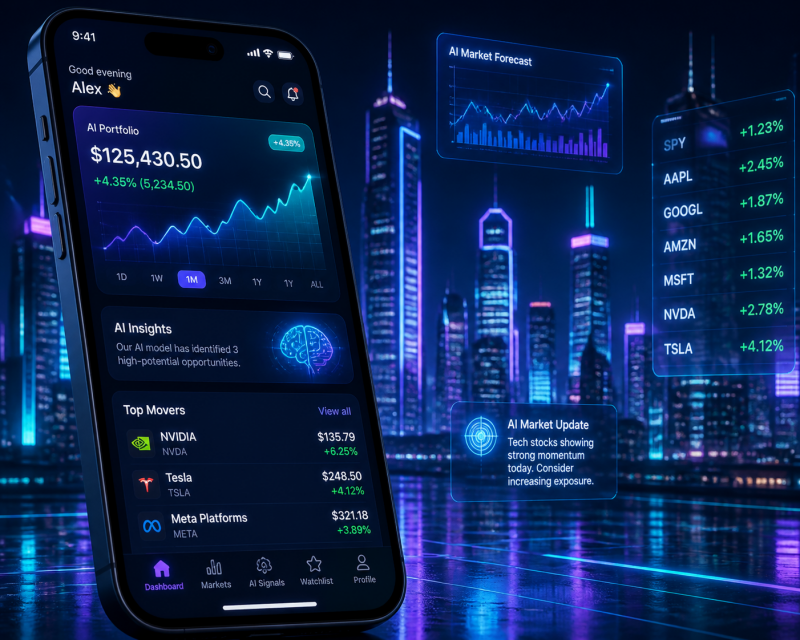
Trade Ideas focuses on advanced stock scanning and pattern recognition, providing real-time data feeds that help traders identify high-probability setups before they execute. While not a direct execution bot, its robust data security and reliable feed integrity are crucial for making informed decisions. The platform’s HSAI engine processes vast amounts of market data securely, ensuring that traders receive accurate, unaltered signals. By prioritizing data integrity and secure access to real-time analytics, Trade Ideas supports a foundation of trust essential for automated trading strategies.
Compare AI Bot Security Features
Choosing a trading bot requires looking past marketing claims to the actual security infrastructure. In 2026, the difference between a profitable tool and a liability often comes down to encryption standards, API key permissions, and withdrawal controls. We have compared the five leading platforms based on their security architecture, pricing models, and ideal use cases to help you make a safer decision.
| Platform | Security Highlights | Pricing Model | Best Use Case |
|---|---|---|---|
| 3Commas | 2FA, encrypted API keys, withdrawal whitelisting | Freemium to $39/mo | Multi-exchange management |
| Cryptohopper | Cloud-based, 2FA, SSL encryption, no API key storage for trading | $39-$199/mo | Strategy marketplace |
| Pionex | Built-in exchange security, 2FA, withdrawal passwords | 0.05% trading fee | Low-cost grid trading |
| Bitsgap | 2FA, encrypted data, read-only API options | $29-$99/mo | Arbitrage and grid bots |
| TradeSanta | 2FA, SSL, API key encryption | $49-$199/mo | Beginner simplicity |
The table above highlights that while most platforms offer standard 2FA and API encryption, the level of control over withdrawal addresses varies significantly. Platforms like 3Commas and Bitsgap offer more granular control over API permissions, which is critical for limiting potential damage if a key is compromised. For traders prioritizing ease of use over complex security configurations, Pionex’s integrated exchange model reduces the attack surface by removing external API keys entirely.
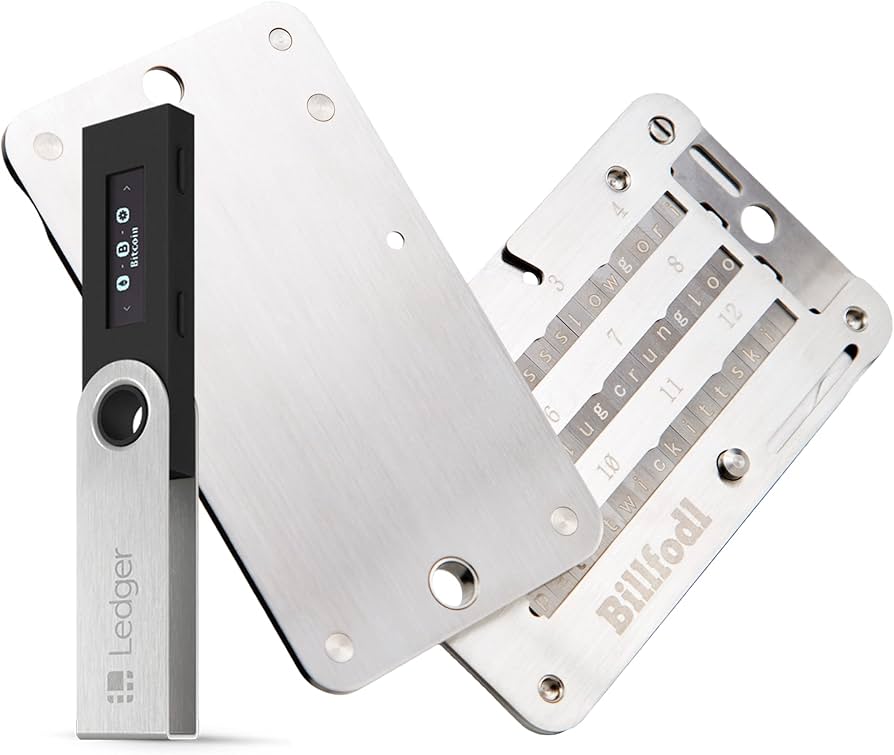


As an Amazon Associate, we may earn from qualifying purchases.
Security extends beyond the software itself. Using a hardware wallet for the bulk of your funds and a dedicated 2FA device for exchange logins adds a layer of protection that software-only solutions cannot match. These tools are essential for anyone running AI bots with significant capital.
FAQs about AI trading bot safety
Will AI replace human traders in 2026?
AI can improve efficiency dramatically, but it cannot fully replace human intelligence in complex financial markets. The traders who succeed in 2026 and beyond will likely be those who learn how to use AI as a powerful trading tool — not as a shortcut to guaranteed profits.
What is the average return on AI trading bots?
On average, a manual trader makes a return anywhere between 5% and 30%, largely based on experience level and hours dedicated to trading. In comparison, AI trading bots give a return of about 25% to as high as 40%. These figures are estimates; actual performance depends heavily on market conditions and risk management.
Can AI trading bots be hacked?
No system is immune to security breaches. While reputable platforms employ encryption and secure API integrations, users must still protect their exchange credentials. Never share API keys with third-party bots unless they explicitly require read-only or trade-only permissions, never withdraw permissions.
No comments yet. Be the first to share your thoughts!