
Ai trading compliance 2026 limits to account for
The regulatory landscape for automated trading is tightening significantly as 2026 approaches. Brokers and algorithmic traders now face stricter requirements for transparency, risk management, and audit trails. Compliance is no longer optional; it is a foundational requirement for operating legally in major markets.
New rules target AI trading bots and forex strategies specifically. Regulators are demanding clearer documentation of how algorithms make decisions. This shift aims to prevent market manipulation and protect investors from unpredictable automated behavior. The focus is on ensuring that AI-driven strategies remain within defined risk parameters.
For traders, this means adapting to a more rigorous compliance framework. Strategies must be tested against new regulatory standards before deployment. Failure to comply can result in significant penalties or account restrictions. Staying informed about these changes is essential for long-term success in automated trading.
Ai trading compliance 2026 choices that change the plan
Choosing an AI trading compliance solution in 2026 is no longer just about selecting a vendor; it is about balancing regulatory adherence against operational latency and cost. The landscape has shifted from voluntary best practices to mandatory frameworks under the EU AI Act and emerging U.S. guidelines. You must evaluate how each platform handles the three primary tension points: speed, auditability, and capital efficiency.
The first major tradeoff involves execution speed versus regulatory verification. Automated strategies require millisecond execution, but compliance checks—such as real-time position limits and pre-trade risk assessments—add latency. Platforms that prioritize speed may lag on comprehensive audit trails, while those with robust logging might slow down high-frequency trades. You need to determine if your strategy can tolerate the milliseconds added by real-time compliance engines or if you are willing to accept higher regulatory risk for faster execution.
The second consideration is the depth of auditability against implementation costs. Under 2026 standards, every automated decision must be traceable to a specific risk parameter. This requires significant infrastructure for data logging and model explainability. While some platforms offer "black box" efficiency, they fail compliance audits. Others provide transparent, explainable AI models but at a higher subscription and integration cost. The tradeoff here is between the upfront technical debt of building explainable systems and the ongoing legal exposure of opaque algorithms.
The third factor is capital efficiency versus false-positive blocking. Overly sensitive compliance filters can block legitimate trades, reducing portfolio performance. Conversely, loose filters expose the firm to regulatory penalties. The best platforms use dynamic risk thresholds that adapt to market volatility, but these require continuous tuning. You must assess whether the platform’s adaptive algorithms are rigorous enough to prevent regulatory breaches without unnecessarily constraining your trading strategy.
| Feature | Execution Speed | Audit Depth | Implementation Cost |
|---|---|---|---|
| High-Frequency Focus | Low Latency | Minimal | Low |
| Regulatory-First | Moderate Latency | Full Traceability | High |
| Balanced AI Guard | Low Latency | Real-Time Logging | Moderate |
When evaluating these options, remember that the "best" platform depends on your specific regulatory jurisdiction and trading volume. A platform that works for a low-frequency crypto bot may fail completely for a high-frequency forex strategy under 2026 compliance rules. Always verify that your chosen solution aligns with the specific high-risk categories defined by the EU AI Act and local financial authorities.
How to choose a compliant AI trading bot
Selecting an AI agent for automated trading in 2026 requires more than comparing performance metrics. You must verify that the software meets emerging regulatory standards for risk management, data privacy, and auditability. The following framework breaks down the essential checks to ensure your automated strategy remains legal and secure.
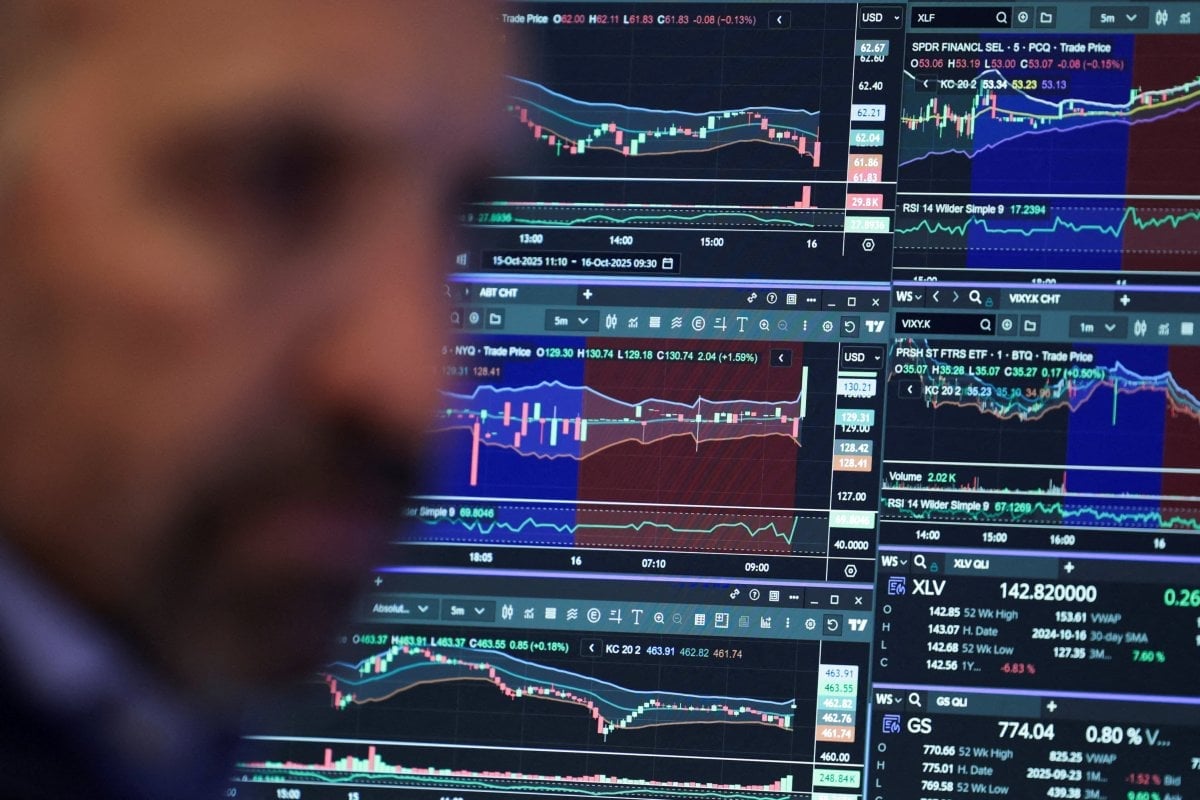
Look for platforms that explicitly state compliance with 2026 AI trading bot regulations. Check if the provider discloses how their algorithms handle market manipulation rules and client fund segregation. Platforms that fail to publish their compliance posture should be avoided, as regulatory scrutiny on autonomous trading agents is increasing globally.

Reliable AI trading software will undergo rigorous third-party audits. Look for ISO 42001 certification, which specifically addresses AI management systems, and SOC 2 Type II reports that verify data security controls. These certifications prove that the vendor has independent validation of their risk management and operational resilience.
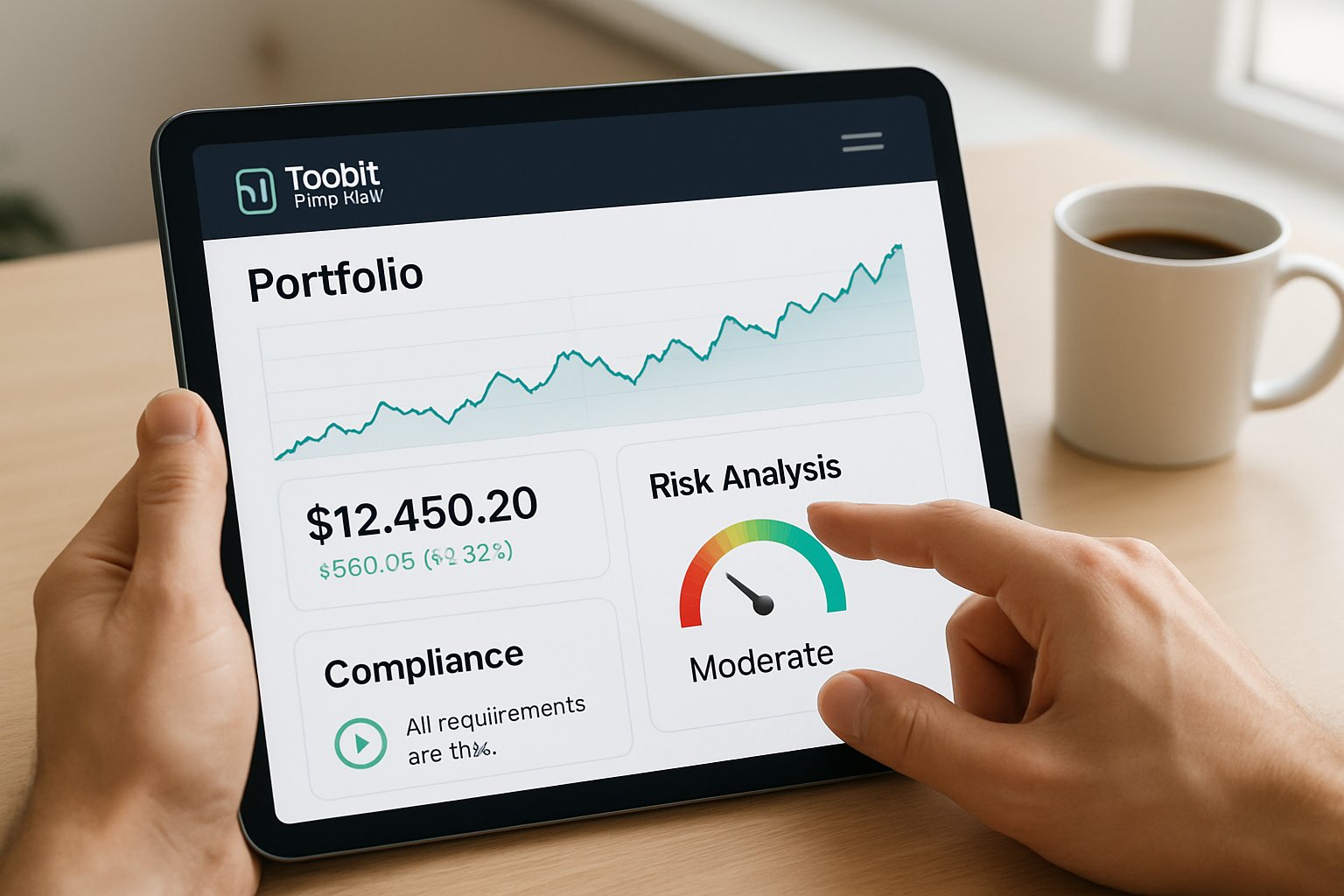
AI agents can generate erroneous trade signals, known as hallucinations, which can lead to significant financial loss. Ensure the platform has built-in circuit breakers, position limits, and real-time monitoring dashboards. The best tools allow you to set hard stops and require human confirmation for high-risk transactions before execution.

Your trading strategy and personal financial data must remain confidential. Choose platforms that offer clear data governance policies, explaining how your information is stored, processed, and shared. Avoid tools that require excessive permissions or lack transparency about their data usage for model training.
Spotting Weak Options and Misleading Claims
The 2026 AI trading compliance shift has turned regulatory scrutiny into a competitive filter. Many platforms market themselves as "fully compliant" without providing verifiable evidence, creating significant risk for automated strategy users. You must distinguish between marketing claims and actual regulatory adherence.
A common mistake is trusting vague assurances of "AI-driven security." Legitimate compliance requires specific, auditable frameworks. For instance, ISO 42001 certification and SOC 2 Type II reports are concrete indicators of robust governance. Without these, a platform’s claims about data protection and algorithmic transparency are unsubstantiated. Always request third-party audit reports rather than relying on internal statements.
Another weak option is the failure to disclose hallucination risks. AI agents can generate erroneous trade signals or misinterpret market data. Platforms that do not explicitly address this risk, often through rigorous testing protocols or human-in-the-loop safeguards, are exposing users to unpredictable losses. Check if the provider outlines their mitigation strategies for model drift and data integrity.
Finally, beware of platforms that claim automatic regulatory approval. Compliance is an ongoing process, not a one-time badge. Verify that the provider actively monitors changes in jurisdictions like the EU’s AI Act or SEC guidelines. If a platform’s compliance section is static or lacks recent updates, it is likely lagging behind current legal requirements. Prioritize providers with transparent, up-to-date compliance documentation.
Ai trading compliance 2026: what to check next
Navigating the 2026 regulatory landscape requires distinguishing between marketing claims and actual legal obligations. The following answers address common concerns regarding platform selection, regulatory frameworks, and the evolving role of human oversight in automated trading.
No comments yet. Be the first to share your thoughts!