
Get AI Trading Agent Scams Right
Before you connect a bot to your brokerage account, you need to understand the baseline risk. AI trading scams surged 1,210% in 2025, far outpacing traditional fraud growth, with projected losses reaching $40 billion by 2027. The California Department of Financial Protection and Innovation (DFPI) notes that these schemes almost always promise guaranteed returns through "AI," a tactic designed to bypass your skepticism.
Legitimate algorithmic trading exists, but it does not operate in a vacuum. It requires API keys, which are digital passwords to your financial data. Scammers use these keys to drain accounts or execute unauthorized trades. The difference between a real tool and a scam is control. You must retain the ability to withdraw funds at any time without penalty.
Start by verifying the entity behind the software. If the platform is not registered with the SEC or FINRA, it is likely operating illegally. Do not trust screenshots of profits or testimonials from "success stories." These are easily fabricated. Instead, look for verifiable regulatory licenses and transparent fee structures. If a bot promises high returns with zero risk, it is a scam.
Your first step is to set up a paper trading account. This lets you test the bot’s logic with fake money. If the bot refuses to run in simulation mode, it cannot execute trades safely in live markets. This simple check filters out most fraudulent agents before you risk a single dollar.
Work through the steps
AI Trading Bots works best as a clear sequence: define the constraint, compare the realistic options, test the tradeoff, and choose the path with the fewest hidden costs. That order keeps the advice usable instead of decorative. After each step, pause long enough to check whether the recommendation still fits the reader's actual situation. If it depends on perfect timing, unusual access, or a best-case budget, include a simpler fallback.

Common AI Trading Bot Mistakes
Scammers rely on two primary errors to trap investors: confusing signal generation with account control, and trusting unverified "black box" performance. Most legitimate AI tools analyze data; they do not hold your keys. When a platform demands full API write access or asks you to deposit funds directly to a wallet, it is likely a scam.
Mistake 1: Giving Away Control
Many scams masquerade as "managed accounts" where the AI trades on your behalf. Legitimate bots use read-only API keys. If a service requires you to deposit crypto into an unknown wallet address or provide a key with "withdraw" permissions, stop immediately. This is not automation; it is theft.
Mistake 2: Ignoring Verification
Scammers often use fake testimonials and edited screenshots to prove profitability. They may claim AI agents made 20% daily returns. In reality, AI trading is not a money printer. Always verify claims against official regulatory databases like the SEC or DFPI. If the platform cannot provide a verifiable track record or regulatory license, assume it is fraudulent.
Mistake 3: Falling for Urgency
AI investment scams often create artificial scarcity, claiming "limited spots" or "exclusive access." Legitimate financial tools do not operate under pressure. Take your time to audit the code, check the developer's history, and consult independent reviews before committing capital.
Ai trading agent scams 2026: what to check next
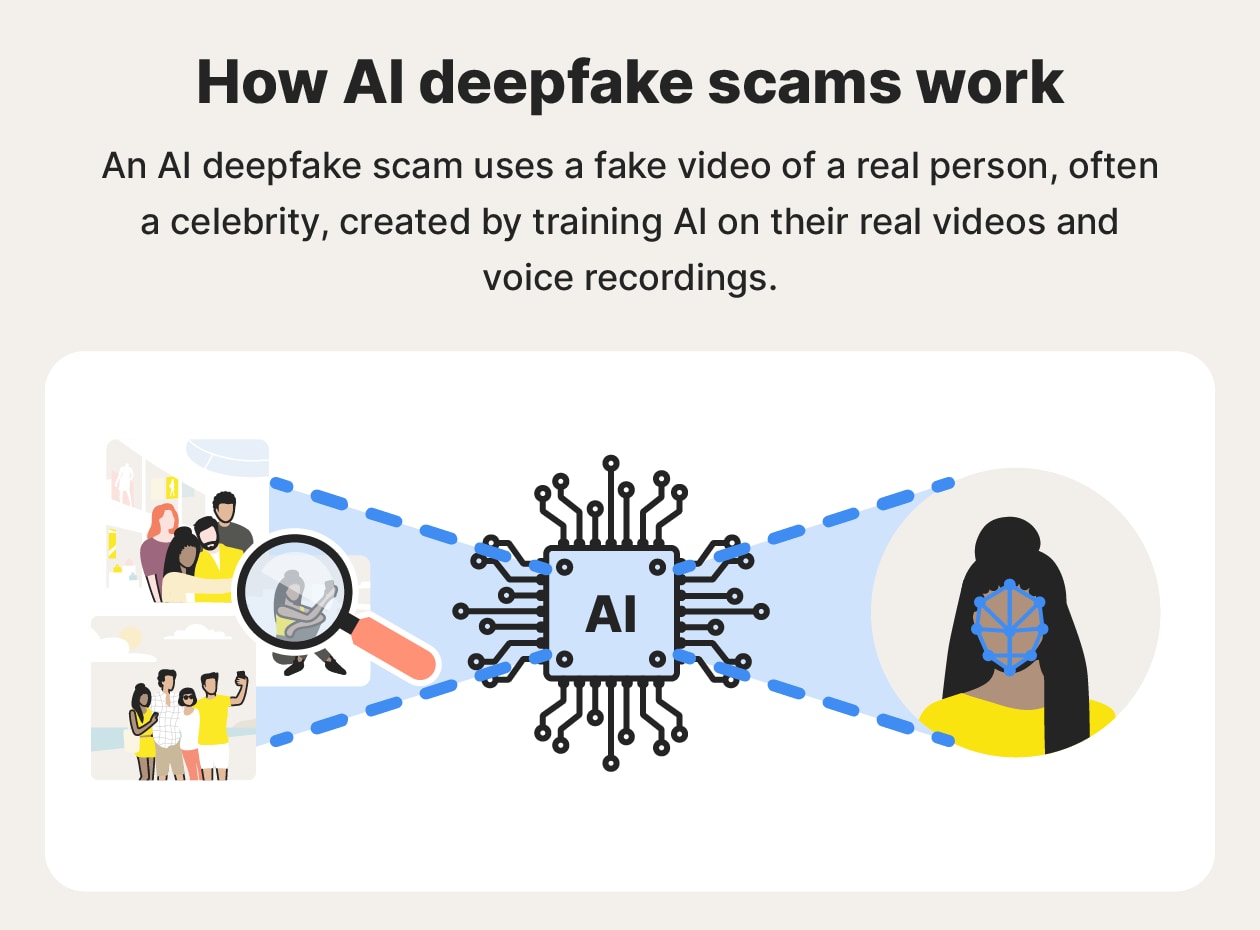
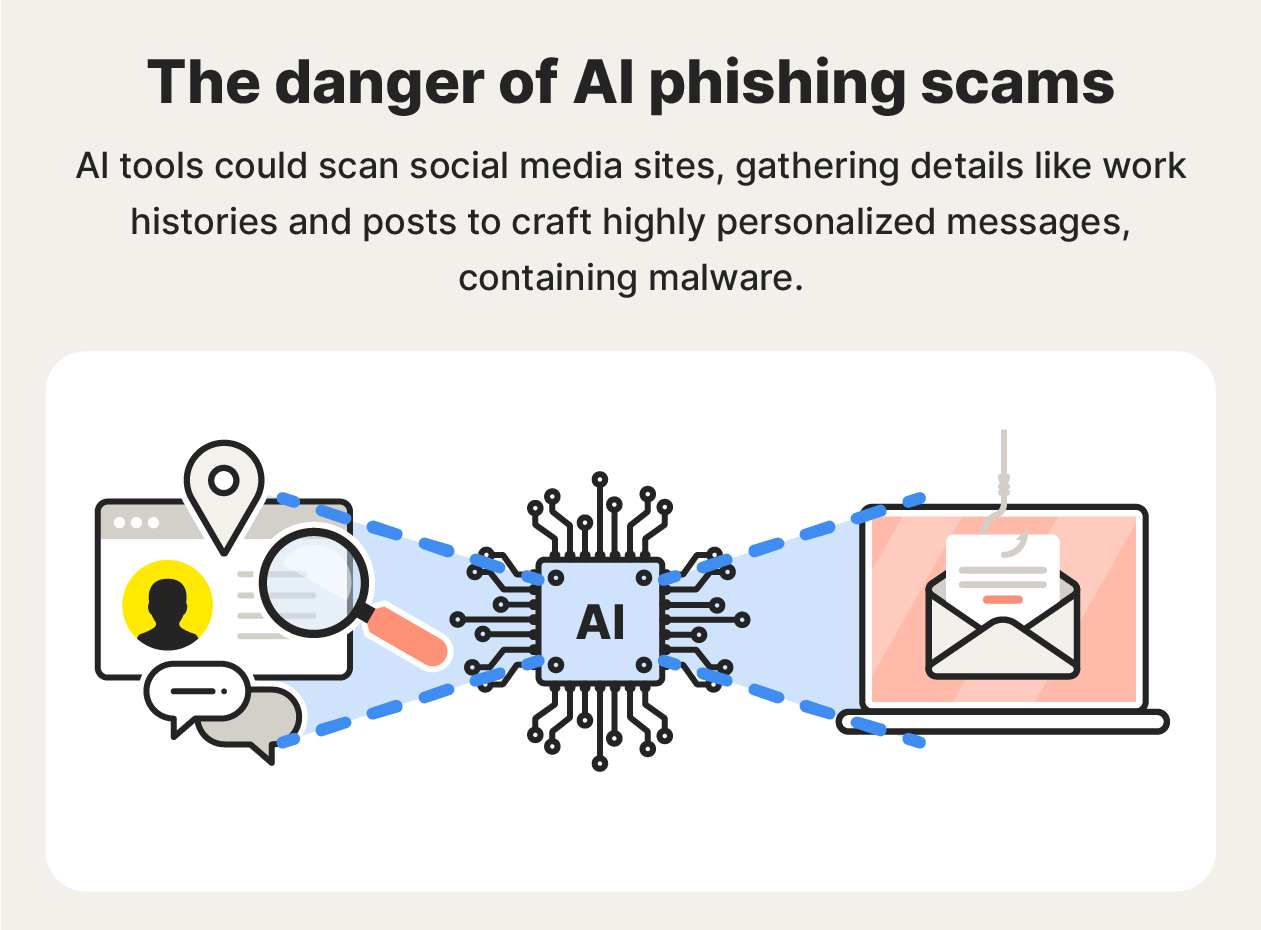
Scammers are using AI to make their scams more convincing than ever, according to recent reports. Before you hand over capital, verify the legitimacy of any platform you consider.
No comments yet. Be the first to share your thoughts!